
U.N. Secretary-General António Guterres visited Port-au-Prince, Haiti, on Tuesday, where rampant gang violence has left over one in ten people without a home. According to recent U.N. data, 2,300 individuals have been killed across Haiti this year, and 100 have been kidnapped. Over 1.5 million people are displaced. Among those kidnapped is James Boyard, cabinet director of the Defense Ministry, who was taken in a part of the capital that was considered relatively safe.
Guterres’s visit came after a weekend of violence in Cité Soleil, where more than 30 people were killed, injured, or went missing. His convoy traveled through a neighborhood previously controlled by gangs, leaving behind devastated car dealerships and abandoned homes.
Down with Viv Ansanm, long live the police.
This graffiti was spotted on a damaged wall. Viv Ansanm is a gang federation labeled a terrorist group by the U.S. government. It reportedly controls 70% of Port-au-Prince. As Guterres passed through the city, he saw numerous displaced residents living under makeshift shelters. Around 300,000 people have been displaced by gang violence in Port-au-Prince, marking a record. Many fled the Cité Soleil slum in May, according to the U.N. International Organization for Migration.
Gregoire Goodstein, IOM’s mission chief in Haiti, noted the crisis is worsening in a recent statement.
Guterres’s first stop was at the headquarters of the newly approved U.N. gang-suppression force. This force replaces a previous mission led by Kenyan police, which struggled with funding and staffing. Currently, troops from Jamaica, Chad, El Salvador, and Guatemala support the initiative, numbering less than 1,000. The international force will work alongside Haiti’s National Police and Armed Forces.
Guterres later met privately with Prime Minister Alix Didier-Fils-Aimé, who faces pressure to conduct elections since Haiti has had no president after Jovenel Moïse was assassinated in July 2021. Fils-Aimé emphasized the importance of security to hold elections and restore governance. He appealed for Guterres’s aid in ensuring the international force’s involved nations fulfill their promises.
Guterres also visited a shelter located in a former school, housing individuals who fled gang violence. Confronted by the lack of privacy and difficult living conditions, residents shared their concerns. A woman in a packed room said the space was so cramped, they lived “skin-to-skin and mouth-to-mouth.”
More than 1,200 people live in this shelter with only one guaranteed meal daily. While visiting, a man outside began to hit the building’s siding, expressing his desire to return home. Guterres told residents, “We’re going to do our best,” before being escorted away by security.
Wendy Cejour, a resident of the shelter for a year and a half, shared his hope despite the challenges faced, expressing the longing to return to his neighborhood. A day before Guterres’s visit, Human Rights Watch urged him to address the violence and human rights abuses at their roots.
The visit left a profound impact on Guterres, who remarked on the extreme challenges faced by women and children. “Each day is a fight to survive,” he noted, emphasizing the severity of the situation in Haiti.
 Irish Crime Leader Extradited to Face Charges
  Massie Criticizes Iran Conflict as Trump’s Major Blunder
 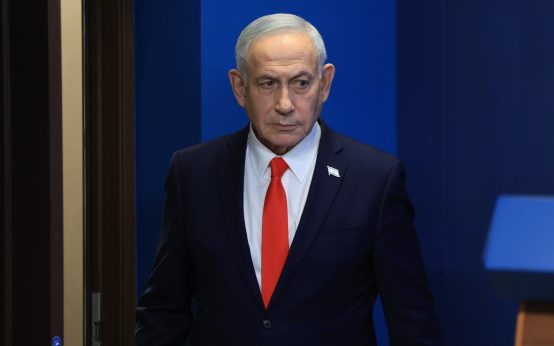 Netanyahu Rejects U.S. 15-Point Plan for Gaza
  Sailor’s Bold Arctic Adventure for Science and Exploration
  New Trilateral Defense Agreement Explained
  Israel’s Ongoing Strikes in Gaza Despite Ceasefire Agreement