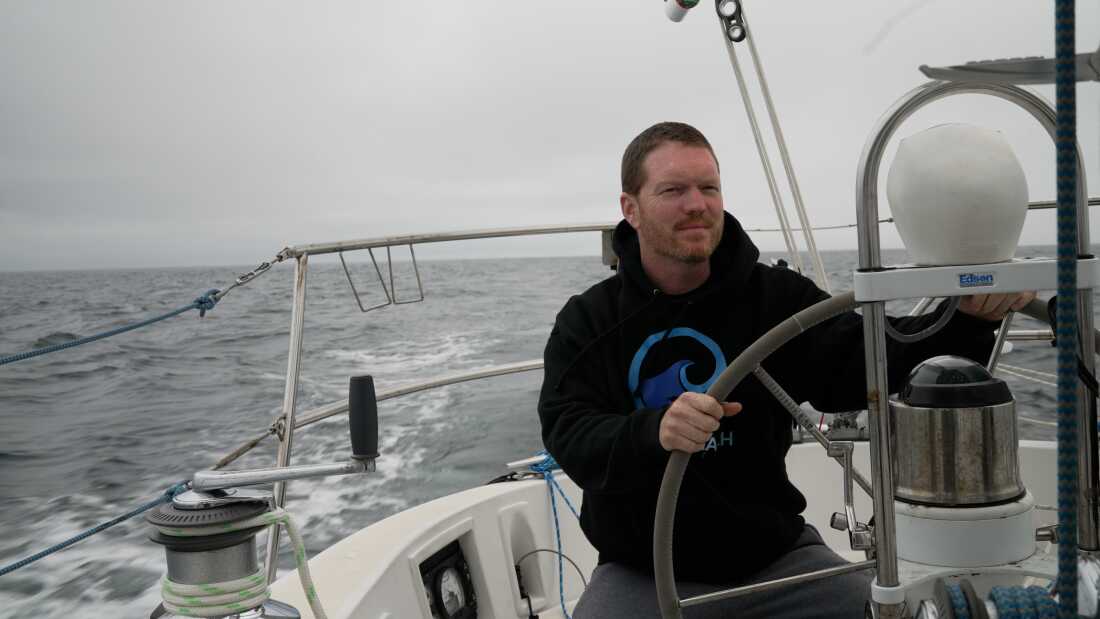
Matt Rutherford, a sailor with a mission, is on a solitary voyage to circumnavigate the Arctic Circle, a feat never accomplished alone. Hailing from Annapolis, Maryland, Rutherford faces constant challenges as he navigates these treacherous waters. He knows well the dangers of his journey, especially the peril of ice collisions while catching any precious sleep.
Rutherford embarks on this arduous journey with an ambitious goal: to traverse approximately 10,000 nautical miles. His route spans from the North Atlantic, skimming the Russian Arctic coast, to finally entering Canada’s Northwest Passage. During an interview with NPR’s Rob Schmitz, Rutherford explained how the risks increase with thicker ice patches and worsening conditions as he progresses. “It’s going to get dark soon,” he noted, speaking through a Starlink connection from the Barents Sea. With constant daylight giving way to darkness, he worries about spotting ice effectively.
His 42-foot sailboat comes equipped with radar for spotting large ice chunks and thermal binoculars for the smaller ones. A life raft is on standby if situations turn dire. Yet, Rutherford races against time. As summer wanes, thickening ice could seal his boat’s fate and end his expedition.
Despite these looming threats, Rutherford remains unwavering. His journey, commencing on June 25 from Greenland’s western shore, feeds his passion for exploration. It also aims to raise funds for the Ocean Research Project, his climate science nonprofit. “Normally, I’m running a research schooner studying Greenland’s glaciers,” he said with a chuckle due to a lack of funding this year. Federal cuts in climate science funding over the past two years pushed this ‘side trip’ to lure potential donors. His organization needs support for engine repairs and other upgrades.
Ironically, climate change affords Rutherford’s attempt better feasibility. The National Snow and Ice Data Center reports a one-third reduction in Arctic sea ice since the early 1980s. However, hazards persist with dense ice around Alaska and eastern Siberia potentially crippling his quest.
Thus far, conditions have been mild. Having sailed by Norway and Sweden, Rutherford now enters Russian-controlled waters. Here, he faces bureaucratic hurdles. A permit was required to navigate the Northern Sea Route along Russia’s coast. To maintain transparency with Moscow, Rutherford checks in daily and reports to the FSB when nearing the shore. “I’m making sure to follow these protocols,” he emphasized, wishing to avoid conflict.
A communication challenge looms as well. Rutherford predicts losing Starlink connection in Russian waters, cutting him off for weeks. “I don’t know what’s going to happen. But look, this wouldn’t be an adventure if we knew the ending,” he reflected.
Presently, his outlook remains upbeat and optimistic. When NPR contacted Rutherford last, promising weather forecasts hinted at a peaceful few days on the horizon.
 Roman Empire’s Road Network Study Challenges ‘All Roads Lead to Rome’
 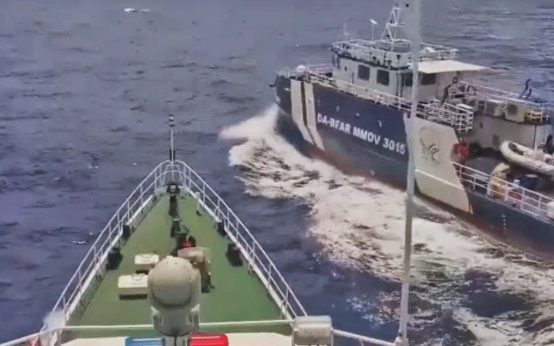 Tensions Rise in South China Sea After Ship Collision
  Where is Austin Tice?
  Trump’s Speech Targets Iran’s Nuclear Ambitions at U.N.
  U.S., Denmark, and Greenland Sign New Security Agreement
 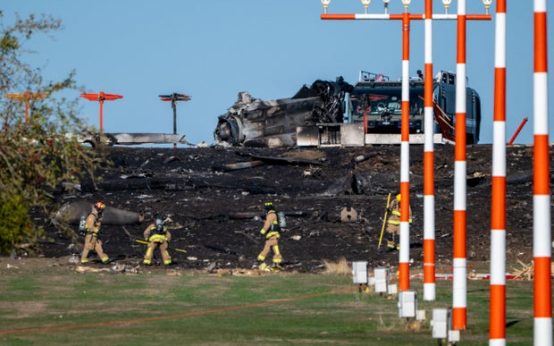 U.S. Military Aircraft Crash at Spangdahlem Air Base