
The rivalry between France and Senegal has deep roots linked to colonial history. However, European teams today showcase significant African influence.
In a recent World Cup match, eight out of the eleven French starters had African heritage. One notable player, Michael Olise, was born in the U.K. to a Nigerian father and a French-Algerian mother. This match held particular significance for African fans, offering Senegal a chance to compete against its former colonizer.
Senegal had previously triumphed over France in the World Cup 24 years ago, a surprising outcome that lingered in the soccer world’s memory. Senegal, a strong contender in African soccer, has consistently reached the finals of the Africa Cup of Nations and claimed victory once when it defeated Morocco before a controversial decision awarded the trophy to Morocco instead.
Mark Gleeson, a sports commentator from South Africa, described Senegal as holding great potential for African success at the World Cup. He noted the complex relationship between France and Senegal, which, though historically connected, sees Senegal striving for an independent identity.
Migration and colonial links, combined with evolving FIFA rules, transform national teams. European countries experience these changes significantly, with Arab nations like Qatar also embracing a diverse player base. France stands out in this transformation. Its 1998 World Cup-winning team included numerous first-generation African immigrants, earning the moniker ‘Black-Blanc-Beur,’ or Black, White, and Arab team.
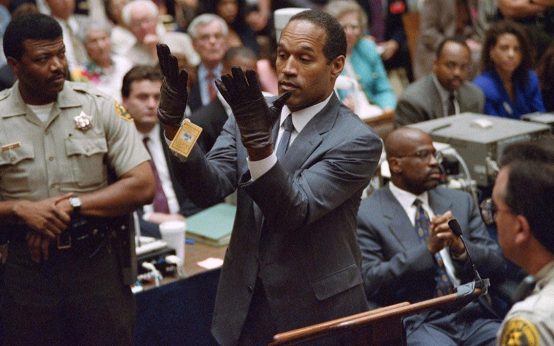 Debate Over O.J. Simpson’s Omission from Buffalo Bills’ Wall of Fame
 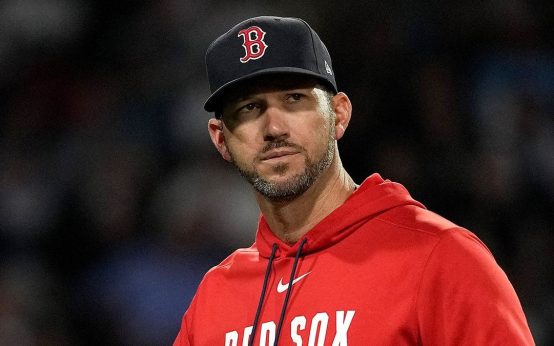 Red Sox Remove Interim Tag, Appoint Chad Tracy as Manager
  Israeli Prime Minister’s Visit to the U.N. Amid Controversy
  U.S. Secures Strategic Arctic Agreement
  Lane Kiffin Criticized After Ole Miss Loss While Florida Football Faces Social Media Fiasco
  Trump Administration’s Plan to Resettle Afrikaners as Refugees