
Secretary of State Marco Rubio recently faced criticism following his decision to deport Franklin Humberto Coral Garrido, a Colombian immigrant and progressive online activist, from the United States. Known as Beto Coral, he was apprehended by immigration authorities in Phoenix after speaking against Abelardo De La Espriella, a Trump-endorsed candidate in Colombia’s upcoming presidential election.
Coral, who supports Colombia’s President Gustavo Petro, a leftist in opposition to President Trump, arrived in the U.S. in 2015 on a tourist visa. He filed for asylum and engaged in political activism supporting Petro, particularly criticizing De La Espriella. Rubio’s memo, which led to Coral’s arrest, stated that his political activities in the U.S. challenged American foreign policy interests in Colombia.
Rubio argued that allowing Coral to stay would undermine U.S. interests in Colombia’s democratic processes. He expressed concerns over foreign nationals using U.S. platforms for politically motivated activities without repercussions. The New York Times acquired a copy of this memo, highlighting Rubio’s stance on immigration enforcement tied to political activities.
This action follows a year where Rubio has used his position to recommend deportations of various immigrants, including those with green cards, whom he deemed a threat to U.S. foreign policy. Previous cases involved individuals protesting Israel, such as Columbia University student Mahmoud Khalil.
 Federal Appeals Court Decision Against Trump’s ‘Third-Country’ Deportation Policy
 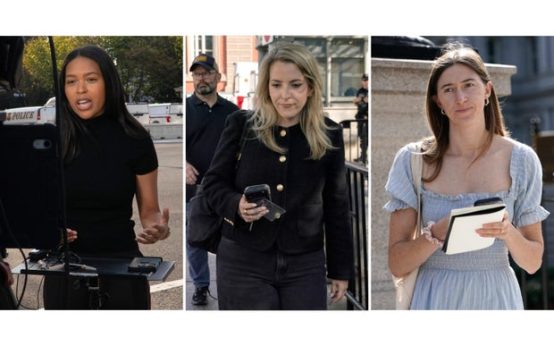 President Trump’s Controversial Ban on Media Outlets Sparks Press Freedom Concerns
  UMass Dartmouth Football Player Killed in Providence Stabbing Incident
  U.S. Security Agreement in Greenland Sparks Optimism and Concerns
 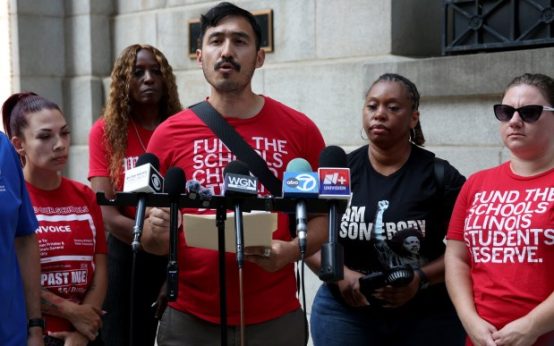 Cook County’s Property Tax Bridge Loans
  A Controversial Stance on Immigration Policies Sparks Debate in South Carolina