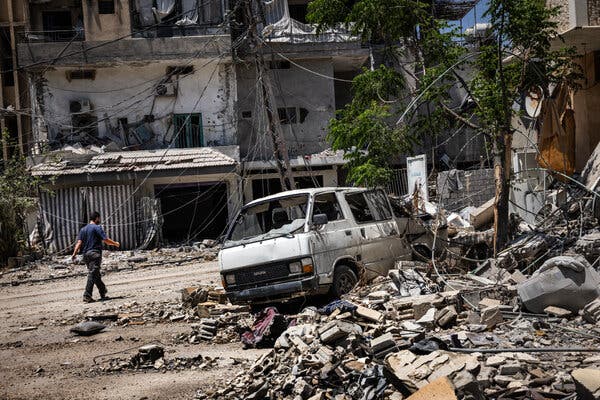
The recent fighting between Israel and Iran-backed Hezbollah showed signs of abating on Sunday. On Saturday, the Israeli government instructed its military to limit operations to defensive actions only within Lebanon.
Reports by late afternoon confirmed an absence of Israeli assaults on Lebanon or Hezbollah attacks on Israelis. Yet, uncertainty lingered about whether this new directive would effectively address the tensions that previously led to lethal engagements on Friday and Saturday. These hostilities posed risks to a budding U.S.-Iran peace agreement.
President Trump voiced dissatisfaction with Iran concerning the situation in Lebanon through a social media post on Sunday, urging Iran to cease its activities there. “Iran must immediately stop their highly paid PROXIES in Lebanon from causing trouble,” he stated. “If they don’t, we’ll hit Iran very hard again, just like we did last week.”
Efforts to establish cease-fires in Lebanon have been frequent, yet fragile. Disputes over what qualifies as defensive operations by Israeli forces have led to persistent hostilities.
Israel’s defense minister, Israel Katz, emphasized Israel’s stance, affirming that there remains no limitation on Israeli Defense Forces in Lebanon from taking action against threats.
The clashes were concentrated in the area of Tebnit and the neighboring Ali al-Taher, a key ridgeline that offers a vantage point over the major city of Nabatieh in southern Lebanon.
 Pope Leo XIV Praises EU for Its Unity Efforts
  Colombian Warlord Extradited to U.S. on Drug and Terrorism Charges
  Rise in Troop Wounded Numbers in Iran Conflict
  Pacific Hurricanes Nolo and Polo Pose Threats to Hawaii and Mexico
 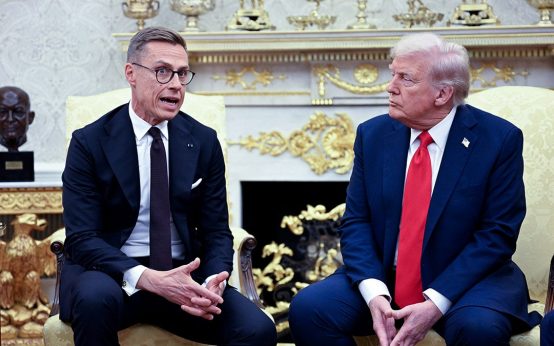 Calm Amidst Crisis: Finnish President Stubb on Europe’s Security
  Couple from Greece Faces Maternity Age Limit After Tragically Losing Son