
Prime Minister Keir Starmer of Britain announced his resignation due to internal conflicts within his Labour Party. This move paves the way for Andy Burnham, former mayor of Greater Manchester, to likely ascend as the nation’s next leader.
Starmer stated he would retain his prime ministerial position until a new Labour Party leader is chosen by September, opting not to contest his position won nearly two years ago. His decision contributes to the ongoing political instability since the nation’s 2016 decision to leave the European Union. “Every decision I’ve made has prioritized the country I cherish. That’s why I’ll resign as Labour Party leader,” Starmer stated emotionally in front of No. 10 Downing Street, expressing gratitude towards his wife for her support.
Andy Burnham, a notable Labour politician, recently achieved a significant electoral victory, invigorating his bid for prime minister. He confirmed his intention to seek the leadership role, describing the transition as “a positive process of renewal for our party and our country.” Wes Streeting, a former health secretary and potential contender, endorsed Burnham, suggesting the party may bypass a contentious leadership contest. “We can squander summer on minor differences, or collaborate to deliver the changes our party and country need,” Streeting stated in support of Burnham.
Starmer, inaugurated as prime minister in 2024 following Labour’s significant parliamentary victory that ended 14 years of Conservative rule, faced difficulties despite the win. His appointment of Peter Mandelson as U.S. ambassador, given Mandelson’s connections to Jeffrey Epstein, was controversial. Yet, Labour’s severe losses in May’s local elections triggered widespread discontent within the party.
Developments in Parliament
Within Parliament, Burnham is expected to formally assume his representative role from Makerfield at approximately 2 p.m. local time. For replacing Starmer, nominations open on July 9, with a new Labour leader to be elected by September to assume the prime ministership. Should Burnham be the sole candidate, he may assume leadership as soon as July.
Economic Implications
The markets remained stable following Starmer’s resignation announcement, with minor fluctuations in the pound’s value. Burnham’s economic policies remain largely unknown, heightening interest in how they might affect Britain’s bond market. Starmer defended his legacy by citing healthcare investments, military expenditures, and reduced illegal immigration but struggled with policy revisions amid economic challenges.
Burnham’s Vision
Advisers pointed to a think tank report titled “The Productive State” as reflective of Burnham’s economic vision. The report criticizes prioritizing service privatization for profits and advocates for government roles as builders and providers. Burnham’s successful regional management, like Manchester’s Bee Network public transit system, offers a potential model for broader national application, though its scalability is debated.
The four horsemen of Britain’s apocalypse are deindustrialization, privatization, austerity, and Brexit,” Burnham noted, advocating for localized governance and public control over essential utilities and services.
The Financial Market Response
Financial markets reacted modestly to Starmer’s resignation, stabilizing with an improved outlook as political clarity emerged. However, questions persist concerning Burnham’s economic direction, especially regarding borrowing, amidst existing debt concerns.
Burnham’s approach, termed “Manchesterism,” suggests possible extensions of local government innovations, like public transit franchising, to the national stage. His past anti-EU sentiments underscore potential policy shifts.
Leadership Context
Amid evolving political dynamics, Labour must navigate internal turmoil, a process marked by the potential leadership contest. The party grapples with its first non-Conservative female party leader and prime minister prospect, reminding of Labour’s historical progressivism versus practical realities. Concurrently, external challenges like global instability persist, requiring strategic foreign policy expertise amongst hopeful leaders.
Leadership Transition Prospects
Starmer’s announced timetable signals possible futures: a leadership contest or a single-candidate emergence like Burnham’s, affecting Prime Ministerial succession without requiring a general election.
Speculation abounds regarding collaborative arrangements to streamline succession, whether through competitor consensus or formal competition. The political dynamics, Starmer’s tenure ending with reflections on achievements amidst internal and external pressures, continue to captivate amidst anticipation for Britain’s next political chapter.
 Trump Administration’s Plan to Resettle Afrikaners as Refugees
 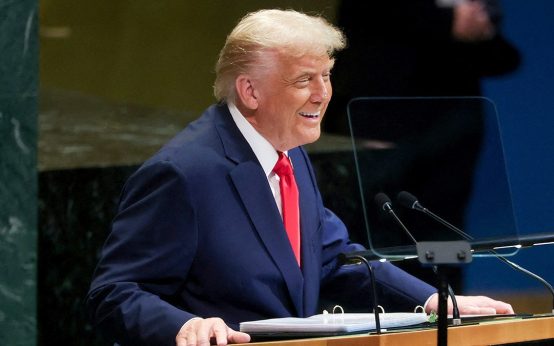 Trump’s Vision on Iran, AI, and Global Security at the UN
 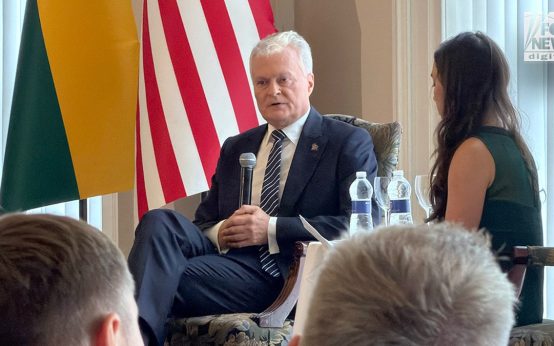 Lithuanian Leader Seeks U.S. Military Commitment Amid Rising Russian Threats
 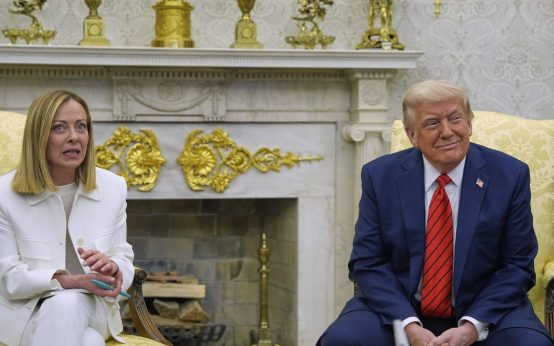 Italian PM Giorgia Meloni Skips UN General Assembly Amid Growing Tensions
  Calls Grow for Ireland’s Soccer Team to Boycott Matches Against Israel
 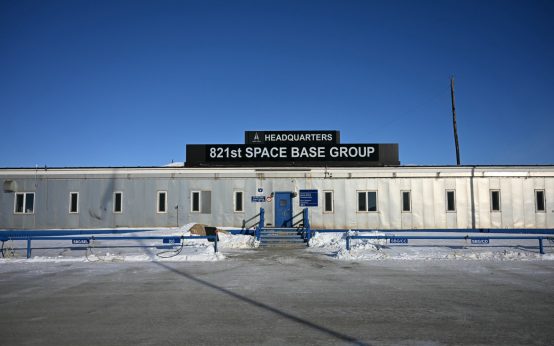 New U.S. Military Bases Planned in Greenland Amid Strategic Security Deal