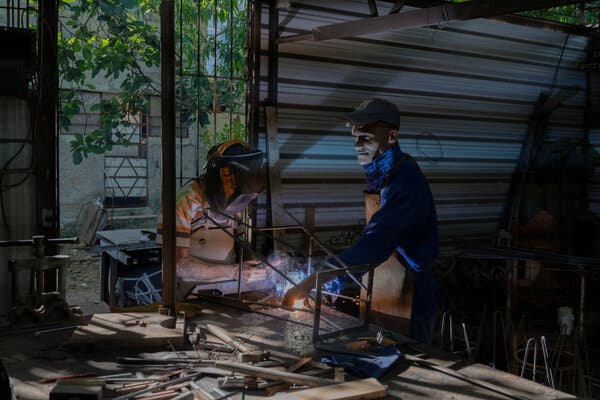
The Cuban government has announced a significant economic restructuring. Experts suggest that the success of these changes may depend on cooperation from the Trump administration.
The Cuban economy faces severe challenges, including prolonged power outages lasting up to 30 hours. The administration has been escalating measures to financially pressure the Cuban government. In response, Cuba has unveiled a package of 176 measures aimed at reviving the country’s economic prospects.
The restructuring plan aims to expand private enterprise and reduce government control over economic activities on the island. Official statements have emphasized a need to rescue the faltering economy, which has been weakened by decades of centralized control and growing diplomatic pressure from the U.S., while maintaining its socialist character.
Economists view this initiative as a significant departure from past policies. It marks the first effort since the 1959 Communist revolution to allow greater commercial freedom. However, skepticism remains over Cuba’s willingness to permit private banking, ownership of multiple businesses, and real estate properties.
Adapting to a model similar to Vietnam or China’s market-driven mixed economy, moving away from strict state control, could prove challenging for Cuba unless U.S. sanctions are relaxed.
 New U.S. Military Bases Planned in Greenland Amid Strategic Security Deal
  Twitch Streamer Hasan Piker Discusses Controversial Commentary
  A Shifting Political Landscape: The Decline of Autocratic Power
  Trump Delivers Warning to Iran, Cuba at UN General Assembly
 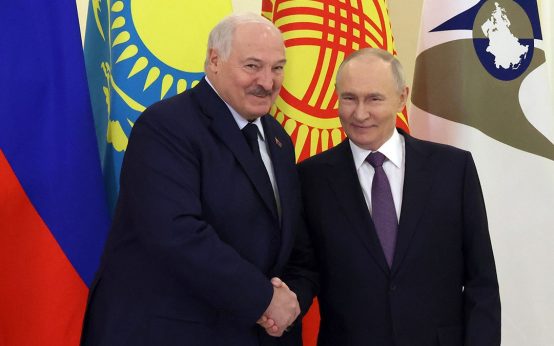 Lukashenko and Putin’s Unique Relationship and Belarus’ Strategic Role
  Alan Ritchson Faces Backlash Over Political Remarks