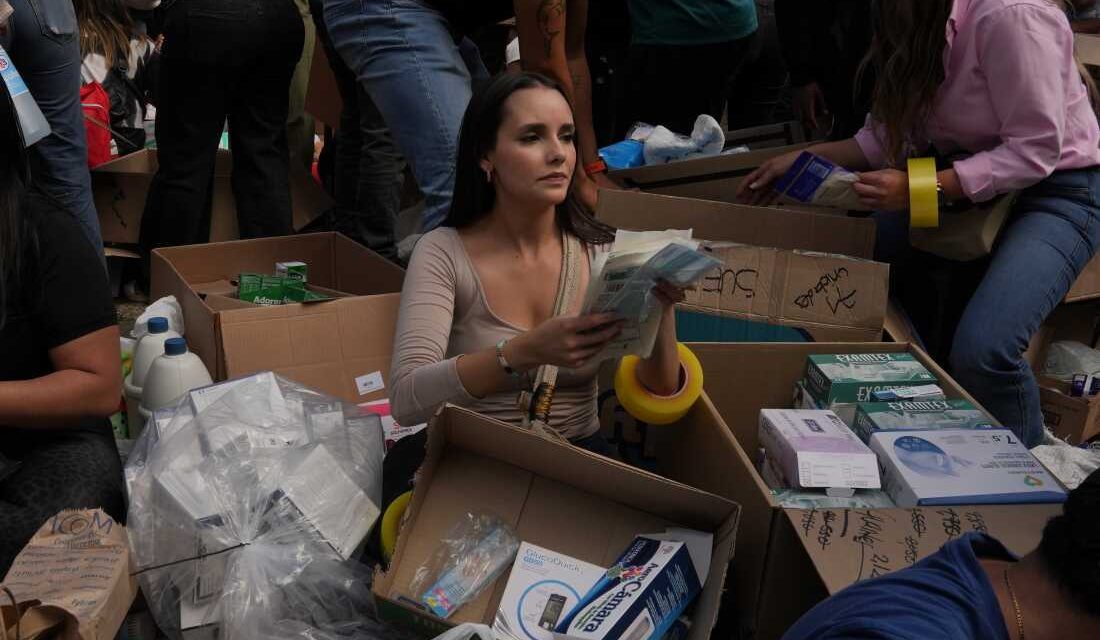
Outside a community center in Bogotá, volunteers are actively loading boxes packed with essential items onto trucks. These trucks will transport supplies to those affected by the recent earthquake in Venezuela. The devastation was caused by a powerful double earthquake, and the response is spearheaded by local efforts.
Manuel Reda for NPR
Three days have passed since the earthquake struck Venezuela. The country’s president, Delcy Rodríguez, has promised to rescue as many individuals as possible and urged unity as the death toll continues to climb. Authorities report more than 1,400 deaths and over 3,200 injuries, with numerous individuals still missing. Thousands are now homeless, with survivors taking shelter in public squares, temporary shelters, or parks.
However, the response on the ground has faced criticism. Many people express frustration over the perceived sluggish and disorganized rescue efforts. International teams are arriving, but the effort is hampered by limited resources and an overstretched healthcare system. Some areas are still without heavy rescue equipment, forcing locals to search for survivors using their hands.
Colombia, home to the largest population of Venezuelans abroad, has seen a surge of people donating essentials such as non-perishable food, hygiene products, clothing, and pet supplies at community centers. Humanitarian groups throughout Colombia and neighboring countries are racing to gather necessary items for the survivors in the coming weeks.
Manuel Reda/for NPR
Isabel Mendoza, a Venezuelan street vendor living in Colombia for five years, visited a donation center in Bogotá. She donated clothes she no longer uses, along with purchased gloves, face masks, and toilet paper after news of the disaster. “I’m from Maracaibo, so my family was not affected,” Mendoza shared. “But I’ve been to places like Caracas and La Guaira, and it breaks my heart to see this happening to our people.”
Mariana Godoy, a logistics specialist, came with a cart full of bottled water, energy drinks, cookies, deodorants, and sanitary products. Her relative, a doctor in Caracas, is now unable to return home due to severe building damage and is sleeping in his office with his wife and children. “Our country is facing a tough moment, and we need to do everything to help,” Godoy stated.
Gisella Serrano, a Venezuelan humanitarian worker, anticipated the crisis to endure for months. Her foundation is cooperating with other entities to store supplies in warehouses before dispatching them to Venezuela, aided by Colombian airlines. Yet, aid groups note that distributing donations involves securing permits from the Venezuelan government. This government has previously hesitated to accept aid from private organizations, especially those affiliated with opposition groups. Within Venezuela, some activists claim authorities have obstructed relief efforts by confiscating donations.
“This crisis will persist for some time,” Serrano remarked. “This isn’t a challenge to be resolved in a few days.”
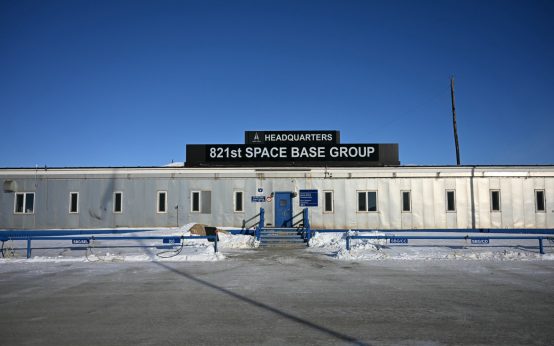 New U.S. Military Bases Planned in Greenland Amid Strategic Security Deal
 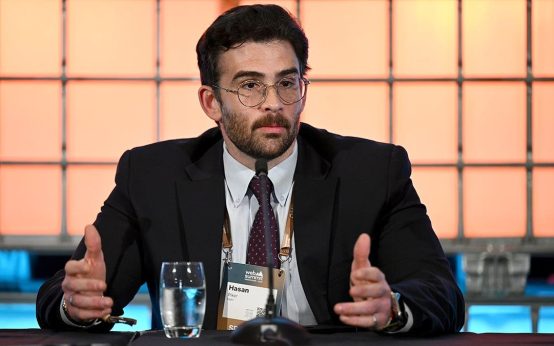 Twitch Streamer Hasan Piker Discusses Controversial Commentary
  A Shifting Political Landscape: The Decline of Autocratic Power
  Trump Delivers Warning to Iran, Cuba at UN General Assembly
  Lukashenko and Putin’s Unique Relationship and Belarus’ Strategic Role
  Alan Ritchson Faces Backlash Over Political Remarks