ACA Enrollment Decline
The federal government recently released a report indicating that the number of people with Affordable Care Act (ACA) insurance dropped significantly. This report highlights that 19.2 million people are expected to maintain ACA insurance in 2026. However, five million fewer people are currently enrolled compared to the record high reached last year.
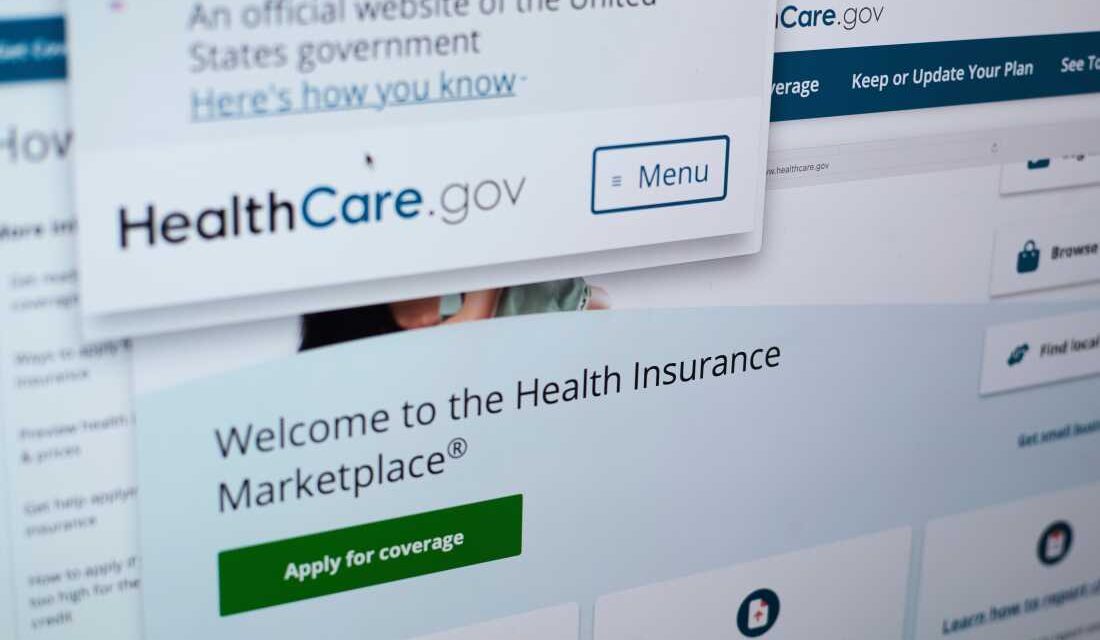
Healthcare.gov operates as the marketplace for 29 states, providing options for consumers to choose from various health plans. Despite these offerings, more than one million people chose not to enroll for 2026. Additionally, 4 million people either disenrolled or failed to pay their premiums, losing coverage as a result.
Impact of Policy Changes
The drop in enrollment aligns with expectations from insurers, administrators, and health policy experts. This decrease follows the expiration of enhanced premium tax credits last year, which led to a surge in prices. The Department of Health and Human Services reports that enrollment has decreased by 13% from last year.
Cynthia Cox, director of KFF’s Program on the ACA, points out that the drop coincided with the Trump administration’s attempts to address alleged fraud. Yet, she argues that the coverage loss largely mirrors the surge in premium costs after these credits expired.
According to Cox, the expansion of enrollment during the pandemic was expected due to significant governmental investment that made premiums more affordable. However, after the expiration of these subsidies, premium costs doubled, prompting many to drop their coverage.
Financial Burdens on Consumers
The higher costs present challenges for consumers dealing with broader economic inflation. Many have had to make difficult decisions about their family budgets and other life choices as a result.
Stacey Pogue from Georgetown Center on Health Insurance Reforms notes there is limited evidence to support claims that fraud led to a 5 million drop in enrollment. Instead, data suggest most people made decisions based on affordability.
Insurance Provider Withdrawals
Several insurers, including Cigna, announced they would not participate in ACA markets next year. Cox expresses concern that a reduced consumer base makes the market less enticing for these companies, particularly since those dropping insurance tend to be healthier individuals.
Though Cox is not worried about a complete market collapse or “death spiral,” continued premium increases could challenge consumers further. Analysis from Georgetown suggests rates will continue climbing for 2027.
Overall, these changes raise questions about the sustainability and accessibility of ACA marketplace plans moving forward.
 Understanding and Addressing the Complexity of Suicide
  Recall of Meat Products from Star Meat Delivery Inc.
  Presley Gerber’s Passing Raises Addiction Recovery Concerns
  Understanding October SNAP Benefits: Payment Dates and Changes
  Understanding School Shooting Preparedness Drills
  Addressing the Complex Issue of Suicide and Its Prevention