
In the quiet town of Montauk, New York, a significant collection of 76 statues resides in the backyard of artist Suse Lowenstein. These life-size sculptures immortalize the moment she, along with other women, experienced the profound grief of losing loved ones on Pan Am Flight 103. The plane was brought down by a terrorist bombing over Lockerbie, Scotland, in 1988.
Lowenstein, aged 82, whose son Alex was aboard the flight, walks among the rust-colored monuments, stating, “The grief, everything, stays the same, just like this. This is always here.” Her grief is shared by many who await justice in the U.S. courtroom for those responsible for the bombing, a notorious attack that claimed 270 lives, predominantly Americans.
“The grief, everything, stays the same, just like this.” – Suse Lowenstein
The trial for Abu Agila Mohammad Mas’ud Kheir Al-Marimi, accused of creating the bomb, was scheduled to start in Washington, D.C. However, it was postponed due to the surfacing of new undisclosed evidence. Al-Marimi is the first to be tried in the U.S. related to the flight’s bombing after a critical breakthrough in 2017 when it emerged he had confessed to making the bomb and executing the operation under Libyan intelligence’s orders.
Aphrodite Tsairis, who lost her daughter Alexia on the flight, prepared to attend the trial. Although not surprised by the trial delay, she expressed that legal proceedings feel more academic now than emotional as she stands resilient from past adversities. Tsairis finds comfort in working alongside her husband in establishing The Alexia, a support program for documentary photographers and filmmakers at Syracuse University in memory of their daughter.
Bert Ammerman, whose brother Thomas was lost in the bombing, urges accountability from other nations despite Libya’s official acceptance of responsibility in 2003. He believes this event, considered an act of war, significantly impacts international relations beyond criminal prosecution.
Stephanie Bernstein, a widow to one of the passengers, points out the emergence of new evidence after decades underscores unresolved aspects of this tragic event. As vice president of a victims’ advocacy group, she remains hopeful that additional knowledge will provide more clarity.
Suse Lowenstein’s home stands as a testament to enduring grief. Her art, titled “Dark Elegy,” is a representation of herself—capturing raw responses to hearing the devastating news. She remains hopeful that justice will prevail, praying for the accused to live long enough to face his sentence in America.
 Global Coordination Behind Anti-Israel Protests
  Addressing Challenges in Horizontal Escalation
 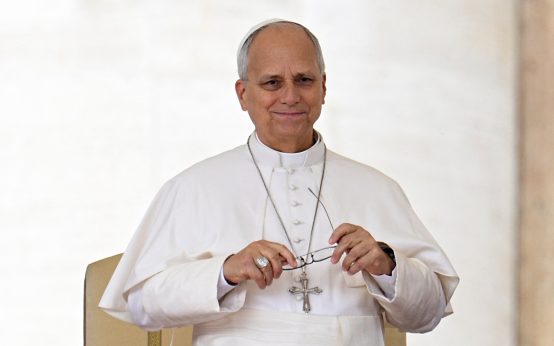 Pope Leo XIV Condemns Death Penalty Amid Planned Execution Livestream
 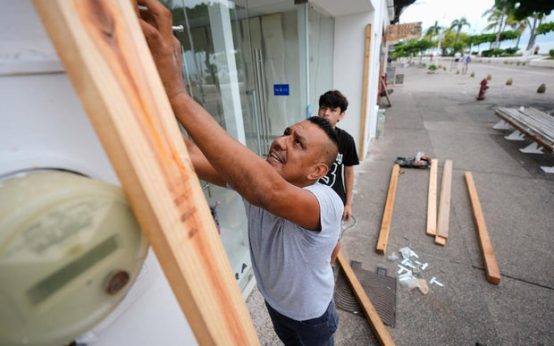 Hurricane Simon Strengthens to Category 4, Threatens Mexico’s Pacific Coast
 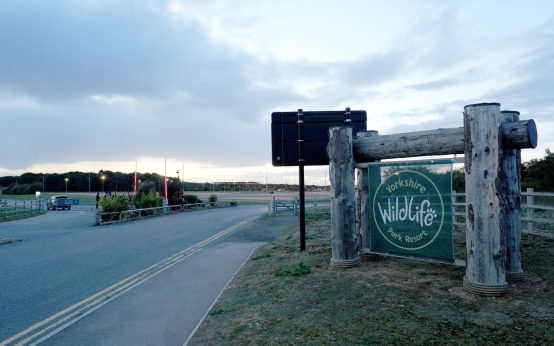 Tiger Attack Leads to Death of Man at Yorkshire Wildlife Park
  Riyadh Airport Strike: 12 Killed and Extensive Damage Reported