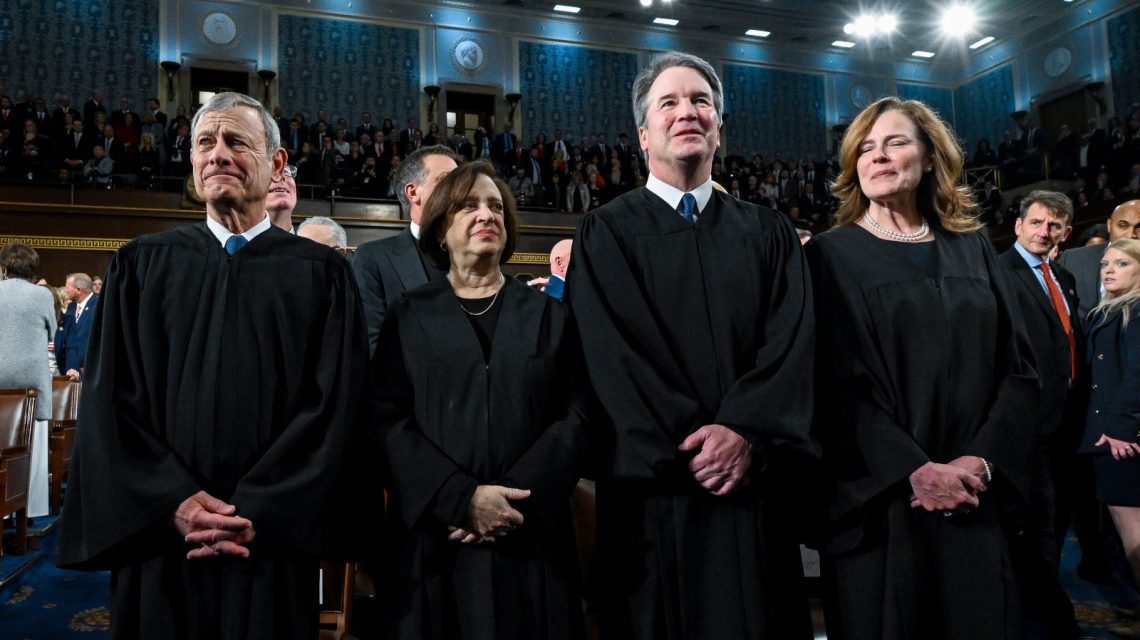
The Supreme Court is entering the final stretch of its term, with significant rulings anticipated within days. These decisions involve pivotal cases that could redefine the scope of presidential authority during Donald Trump’s tenure. Expected outcomes include cases regarding immigration policy, independent federal agencies, and election rules. The implications may reverberate through the political landscape as this year’s midterm elections approach.
Court observers refer to this period as the “June rush,” when justices deliver their most consequential and contentious opinions. At the heart of the remaining docket are cases assessing the extent of presidential executive authority.
Trump’s Presidential Authority Under Scrutiny
Central to the docket are legal battles testing the limits of presidential executive power. These include disputes over Trump’s endeavors to dismiss officials at the Federal Reserve and Federal Trade Commission (FTC), challenging existing standards requiring a president to show cause before removing leaders of independent agencies. The court’s conservative majority has indicated its openness to broadening presidential control in certain areas. A favorable ruling for Trump might dilute these protections, enhancing future presidents’ influence over independent agencies. Conversely, a decision against the administration would affirm existing constraints on presidential authority.
Birthright Citizenship Controversy
A key ruling will determine the outcome of Trump’s effort to restrict birthright citizenship. The dispute revolves around the 14th Amendment, which guarantees citizenship to most people born in the U.S. Lower courts have blocked the policy, deeming it likely unconstitutional. If the Supreme Court permits the order’s enactment, it could overturn established legal precedents spanning over a century. Conversely, a rejection would significantly undermine Trump’s immigration policy—a core component of his agenda.
Trump has expressed concerns that the court might rule against him, highlighting the case’s uncertainty. The issue has also caused divisions within the Republican Party, with polling indicating that 44 percent of Republicans favor birthright citizenship.
Election Rules Under Examination
The court is deliberating cases that could affect how Americans vote. One case considers whether mail-in ballots must arrive by Election Day or can be counted if postmarked on time but received afterward. Conservative justices have shown skepticism toward grace periods, suggesting a move toward stricter nationwide rules.
Another case examines restrictions on coordinated campaign spending by political parties, connected to Vice President JD Vance and supported by Trump allies who aim to overturn these limits. This could alter campaign funding dynamics and affect free speech protections related to political expenditure.
Trans Athletes Rights
A widely watched case questions whether states can prohibit transgender athletes from joining girls’ school sports teams. The court’s conservative majority seemed inclined during oral arguments to uphold such bans. A supportive ruling would endorse similar laws nationwide, while a contrary decision could extend federal protections for transgender students and reevaluate civil rights in education.
Legal experts suggest that the consequences might reach beyond athletics into broader anti-discrimination policies.
Digital Privacy Debates
The court is also evaluating a case related to “geofence” warrants, enabling investigators to gather location data from phones in proximity to crime scenes to identify potential suspects. Critics argue this represents an extensive search violating constitutional rights, whereas advocates see it as vital for solving serious crimes. The decision could establish new boundaries for digital privacy as law enforcement increasingly utilizes location data in inquiries.
Mixed Outcomes for Trump
This term has produced a varied track record for Trump. While the court has endorsed the administration in some immigration-related disputes and emergency rulings, it has also dismissed other significant policies, including a prominent tariffs case earlier this year. This inconsistency makes predicting final decisions more challenging.
Legal scholars anticipate that the forthcoming rulings may clarify whether the court will expand presidential authority or retain key limitations.
Anticipated Decisions
The court is scheduled to issue additional opinions shortly, with the term concluding by early July. The rulings’ effects will not only influence contested Trump-era policies’ immediate future but also delineate the institutional perimeters of executive power for successive administrations. The term’s concluding days are poised to define one of the most legally pivotal chapters in the court’s contemporary history.
 Congressman Randy Fine’s Bold Political Stance and Views on AI Regulation
 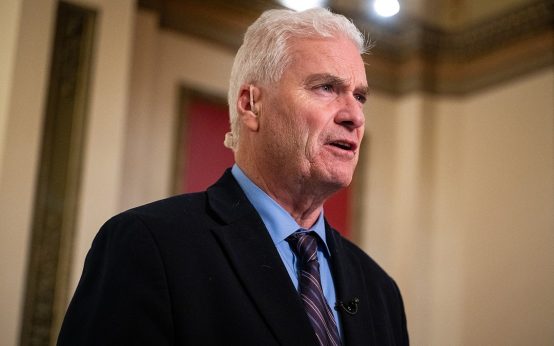 Political Messaging and Strategy Leading Up to Midterms
  President Trump Proposes ‘Super Intelligence’ as New AI Term
  Trump Administration Considers Diesel Export Ban Amid Rising Prices
 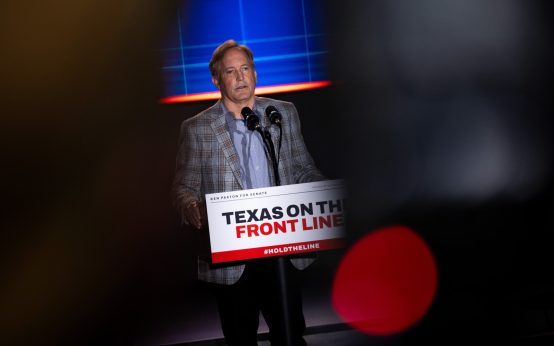 Texas Senate Race Tightens with Shifting Youth Support
  Flight 93 Hero’s Father Criticizes Ties Between Hasan Piker and Abdul El-Sayed