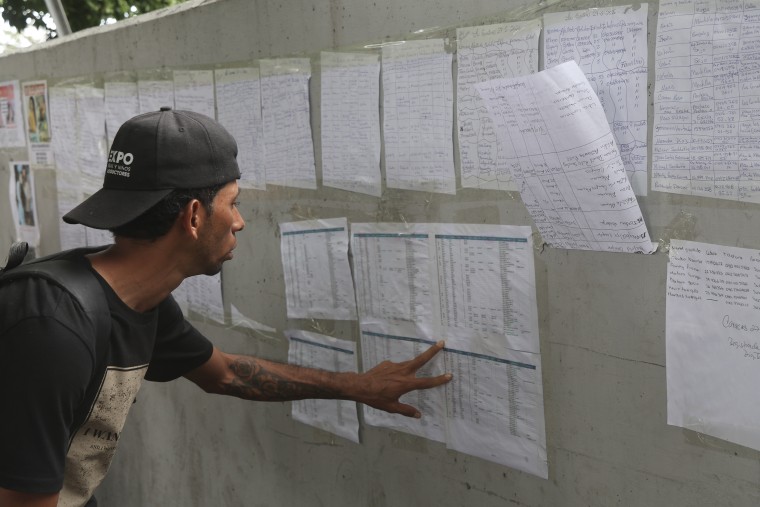
In the state of La Guaira, Venezuela, both local and international rescue teams are in a race against time to save lives. This urgent effort follows two powerful earthquakes that struck the area. By Sunday afternoon, the government reported that 1,450 had died due to the quakes. The government is facing criticism from the public, who feel that the response is inadequate compared to civilian-led rescue operations. Thousands remain missing, and families search multiple databases in their quest for loved ones.
Despite diminishing chances of finding survivors, rescuers persist. The first 48 to 72 hours after a disaster are crucial for saving lives. If survivors have access to food and water, this window can be extended. Sunday morning saw rescuers from the U.S. and France pulling a man and his son from the ruins. They were carried to safety on a black tarp, given IV fluids, as crowds watched the rescue unfold.
The U.N. reported over 2,200 international rescue workers on the ground by Saturday. More are arriving. This includes teams from countries like Mexico, the U.S., Brazil, El Salvador, and France. Jason Mercano, a civilian, communicated with family members trapped under debris using social media. He expressed determination, stating, “We’ve never given up hope.”
On state television, Rodríguez announced that 14,000 military and police personnel are actively patrolling La Guaira, enforcing restricted access. There are reports of a lack of government presence in disaster zones. However, rescue operations seemed more organized by Sunday compared to earlier.
The earthquakes have severely tested Rodríguez’s leadership, a former vice president who assumed office after the exit of Nicolás Maduro. Venezuela’s ongoing economic turmoil and political legitimacy issues add to the challenges. Reports indicate over 770 buildings collapsed or were severely damaged by the quake’s effects.
Residents climbed remains of structures, calling names and hoping for signs of life. Dust covered coastal areas. High temperatures worsened conditions, causing many to wear masks against the smell of decomposition. Efforts continued under difficult circumstances, with people using inadequate gear like motorcycle helmets.
The International Organization for Migration estimates over 6 million people could be impacted by the disaster. In Caracas alone, about 2 million could be affected. The crisis is compounded by ongoing smaller aftershocks, including one that reached 4.8 in magnitude.
Images of international aid teams providing help bring some hope. Yonahí Regalado, who has been searching for her sister and 1-year-old nephew since the disaster, urged rescuers to save anyone they could find alive. Aid workers’ arrival has inspired some optimism amidst the despair.
Humanity persists in small acts. A video captured a rescuer comforting an elderly woman trapped beneath debris, assuring her by staying by her side. The Simón Bolívar International Airport sustained significant damage, disrupting operations. U.S. repair teams are working to ensure at least one runway remains functional, with the aim of normalizing crucial supply routes.
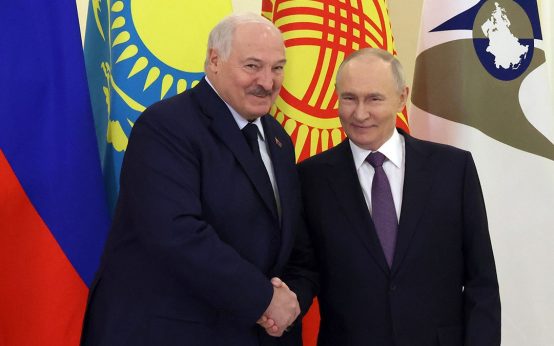 Lukashenko and Putin’s Unique Relationship and Belarus’ Strategic Role
 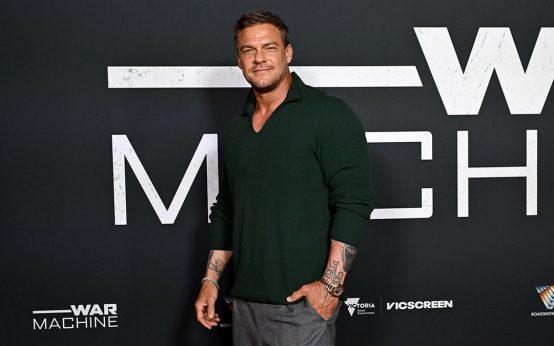 Alan Ritchson Faces Backlash Over Political Remarks
 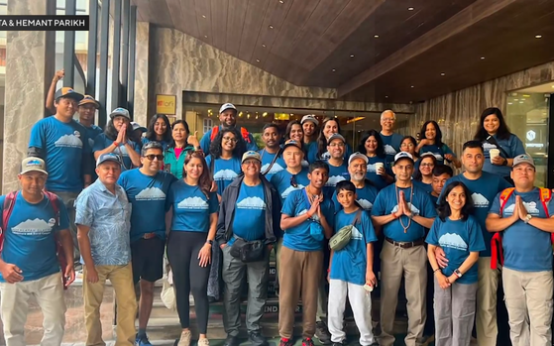 Himalayan Pilgrimage: A Couple’s Narrow Escape and Lingering Questions
  Former CEO Sentenced for Bank Fraud and Sanctions Evasion
  Russia’s Potential Incursion Into Estonia: NATO’s Resilience Under Scrutiny
  Senators Urge Action to Free Imprisoned Journalist in Iran