Martin Luther King III once echoed his father’s belief that of all the forms of inequality, injustice in health care is the most shocking and inhumane.
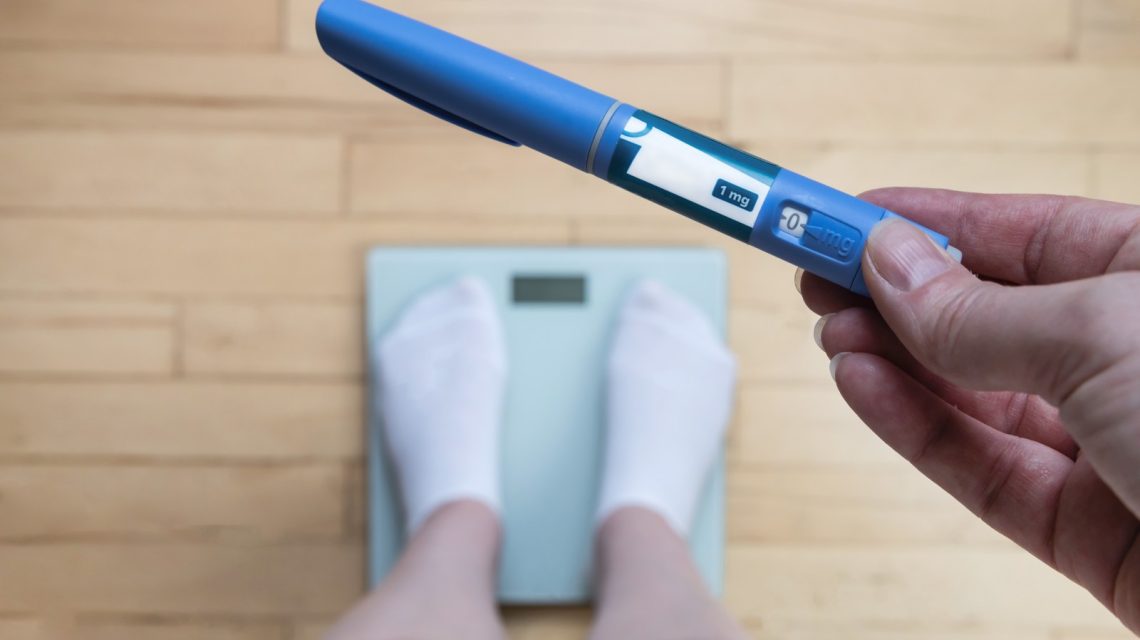
Decades later, this sentiment still aligns with one of the greatest public health challenges our nation faces. Millions of families across the United States cope with obesity, a chronic condition largely impacting low-income and minority communities. Yet, these groups often find themselves without access to treatments that experts identify as both effective and transformative.
This issue extends beyond health care; it’s about fairness and equal opportunity. Recently, states like California decided to limit coverage for GLP-1 treatments for obesity, highlighting a growing national concern. Effective obesity care exists, yet it often remains accessible only to those with financial resources.
The principle that a person’s location or income shouldn’t dictate their chance for a healthy life loses significance if effective obesity treatment remains mostly reserved for those with private insurance or who can pay out of pocket. This arrangement creates a health care system where access is overly dependent on income level.
Obesity is closely linked with several chronic diseases, including heart disease, stroke, diabetes, kidney disease, and hypertension. These ailments shorten lifespans, burden families, and elevate health care expenses. Recent progress in obesity treatment provides new hope to many Americans by helping them manage and improve their health.
This hope is not about appearance for many patients; it concerns access to necessary medical care. Parents experience newfound energy to engage with their children. Workers enhance their health and earning capacity for their families. Patients who struggled for years with inadequate treatments finally see progress.
However, hope becomes meaningless if only available to those with financial means. When Medicaid fails to cover obesity treatment, low-income patients often delay care until their health declines further. This delay does not save money. It shifts the burden to emergency services, hospital admissions, and causes preventable suffering.
Policymakers need to view obesity treatment as essential health care, not a luxury. This perspective is particularly crucial in communities with higher obesity and chronic disease rates. Reducing health disparities requires granting access to one of the most promising tools available to address them.
Persisting stigma heavily influences our discussions about obesity. People with obesity often face judgment instead of compassion. Society moralizes the disease rather than treating it earnestly like other chronic conditions. One would never suggest that a cancer patient merely try harder. Obesity requires the same level of seriousness, respect, and access to treatment as any chronic disease.
Healthcare should not belong only to those with the right ZIP code, insurance plan, or income. Medicaid exists to affirm that access should not hinge on wealth. Excluding obesity treatment contradicts this mission.
The question before policymakers is straightforward: Who deserves access to modern medicine? Building a healthier nation means not abandoning communities already struggling with significant health disparities. Expanding Medicaid coverage for obesity treatment will not solve all healthcare challenges, but it represents a step toward ensuring that medical advancements are available to all Americans, regardless of financial status.
Ultimately, a society’s measure is not based on whether the privileged can access lifesaving care. It rests on our willingness to provide that care to those in greatest need.
 Increased Use of GLP-1 Medications Among Young Adults: Examining Trends and Concerns
  Lisa Fasone’s Journey Through Prolactinoma and New Parenthood
  Examining Testosterone Therapy for Menopausal Women
  Impact of ‘Food Divorce’ on Relationships
  Long-Term Health Impacts of the 9/11 Attacks
  The Link Between Type 2 Diabetes and Mental Health Conditions in Women