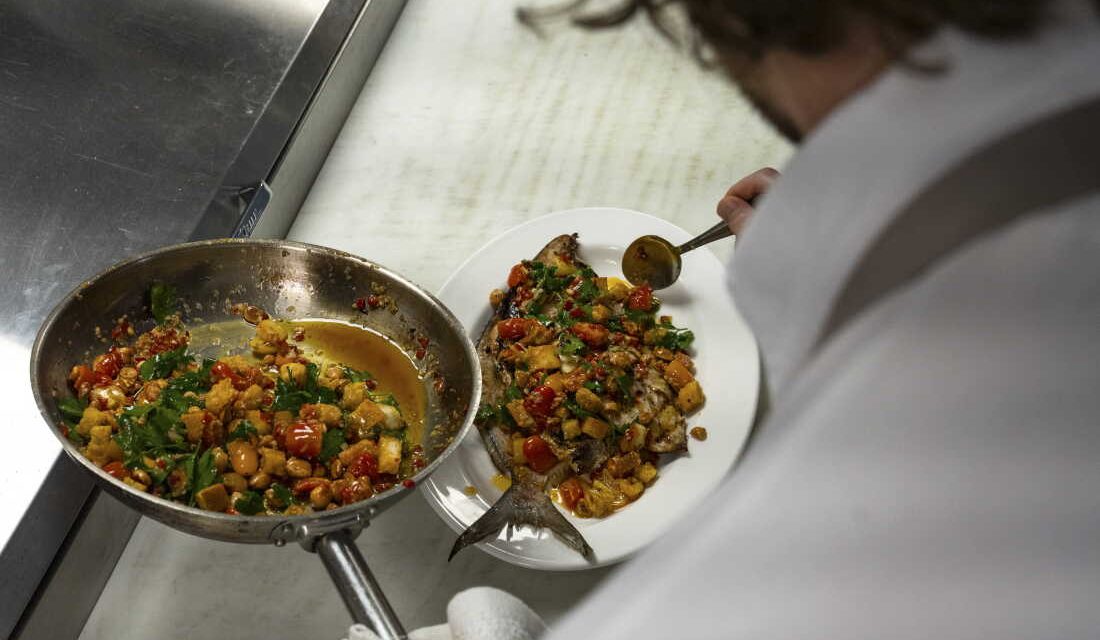
Chef Brian Landry creates a grilled pompano dish with broken romesco sauce at the Pontchartrain Hotel’s kitchen, highlighting its Spanish roots. This dish is included in the cookbook Rhythm & Roux.
New Orleans—At Bayou Bar, a serene spot on St. Charles Ave, music and food are essential companions. Bassist Peter Harris leads a jazz ensemble here most nights, while Chef Brian Landry presents a seasonal menu of delectable dishes. Approximately a lived-in atmosphere, Landry notes, “The musicians seem as though they are playing live from your living room.”
The Pontchartrain Hotel, which hosts Bayou Bar, is steeped in history. Celebrated figures like Truman Capote, Frank Sinatra, and Tennessee Williams once frequented it. The venue also marks where The Doors disbanded and where New Orleans’ NFL journey began with the Saints’ announcement in 1966. Landry reveres the significance of this historic space.
Reputed musicians such as bassist Peter Harris and drummer Herlin Riley can be seen performing at Bayou Bar. It’s an environment bustling with both music enthusiasts and culinary aficionados, drawn in by Harris’ ensemble. When Landry assumed control of the kitchen in 2016, music was scant until he enlisted Harris as Bayou Bar’s music director.
“I didn’t start playing bass until I was 16,” shares Harris. “But once I began, I knew it was my calling.”
Landry and Harris share roots in New Orleans and childhood memories dating back to fifth grade. Their friendship burgeoned into collaboration for Rhythm & Roux: A tribute to their shared loves of cuisine and jazz.
“Our layered heritage offers ample inspiration,” Landry shares in the book’s preface. He draws culinary inspiration from European techniques merged with Creole and Cajun flavors, while Harris finds his muse in New Orleans’ musical ingenuity and rhythms.
Culinary Creations in Rhythm & Roux
The cookbook mirrors Landry’s appreciation for diverse culinary influences: many reflect the menu offerings at his dining ventures.
Among featured dishes, Pompano Broken Romesco illustrates Spanish origins. This Gulf fish, mild and rich in oil, pairs with broken romesco sauce composed of nuts, garlic, peppers, tomatoes, bread, and olive oil. The sauce’s classic Catalan roots incorporate almonds and hazelnuts, showcasing the wide-ranging impacts on Creole dishes.
Other recipes include:
- Crab au Gratin Croquetas—Echoing both French and Spanish influences.
- Turkey Necks—Showcase of soul food derived from humble ingredients.
- Black-Eyed Pea Rice Salad—Connecting West Africa’s agricultural and cultural legacy to the American South.
- Braised Oxtails—Staple of Caribbean home cooking.
Rounding out the offerings are cocktails like the Duck Fat Sazerac and Southern desserts like Bourbon Bundt Cake.
A Medley of Music and Food
Rhythm & Roux includes narratives and reflections from musicians who performed at Bayou Bar, enhancing the culinary journey with insights from rhythm masters like Herlin “The Groovemaster” Riley and Dee Dee Bridgewater. Harris equates assembling musicians to cooking ingredients: certain combinations shine, while others falter.
Landry’s goals with his culinary work and cookbook are clear: to honor the diverse influences shaping Creole cuisine. He doesn’t shy from acknowledging the significant contributions of Black Americans to both music and food.
“We recognize our position,” Landry admits. “Open discussions about origins are crucial.”
The blend of harmonious music, refined drinks, and culinary mastery at Bayou Bar remains an endeavor to alter experiences by deepening connections. Nightly performances, such as that by Firm Roots, featuring Peter Harris on bass, Herlin Riley on drums, and Derek Douget on saxophone, forge unique experiences.
The venue is more than entertainment; it’s community. Musicians, like singer Christien Bold, join dinner sets spontaneously. Gathered together, band members foster camaraderie over meals, discussing myriad topics—music, politics, or even just everyday life.
Landry notes how these interactions tie into the larger magic of New Orleans. Much like music, the blending of influences and traditions in Creole cuisine, as seen in dishes like Duck & Andouille Gumbo, forms a cultural symphony in itself.
“Cooking and music both unite diverse elements,” observes Landry.
Below follows one of those unique recipes: Pompano Broken Romesco.
Pompano Broken Romesco Recipe
Romesco, a Catalan sauce typically served emulsified, is presented here as a warm, broken vinaigrette maintaining distinct components.
Serves: 6
Broken Romesco Ingredients:
- 1 cup blanched hazelnuts
- 1 cup Marcona almonds
- 3 tablespoons finely minced shallots
- 1 tablespoon finely minced garlic
- 1/2 teaspoon chili flakes
- 1/2 cup sherry vinegar
- 1 cup chopped piquillo peppers
- 2 teaspoons kosher salt
- 1 teaspoon sugar
- 1 1/2 cups extra virgin olive oil
- 2 cups halved cherry tomatoes
- 3 tablespoons torn Italian parsley
Pompano Ingredients:
- 6 fresh pompano fillets, 8 to 10 ounces per, skin-on
- Kosher salt and freshly ground black pepper
- 1 1/2 cups homemade croutons
Instructions:
Set oven to 400°F. Toast hazelnuts and almonds on a baking sheet for 6 to 8 minutes, then cool and coarsely chop. In a saucepan, sweat the shallots, garlic, and chili flakes over medium-low heat until aromatic. Deglaze with sherry vinegar and add peppers, salt, and sugar. Let simmer. Incorporate olive oil, simmer gently, then add tomatoes and parsley. Adjust seasoning and remove from heat, mixing in nuts.
Heat grill to 500°F, clean, and oil grates. After heating for 5 more minutes, season fish and place flesh side down, diagonal to the grate. Cook 2 to 3 minutes, then turn 45° to create grill marks, cooking 2 to 3 more minutes. Flip to skin side, cooking 3 to 5 minutes until just done. Transfer to platter. Toss croutons with romesco and serve over fish.
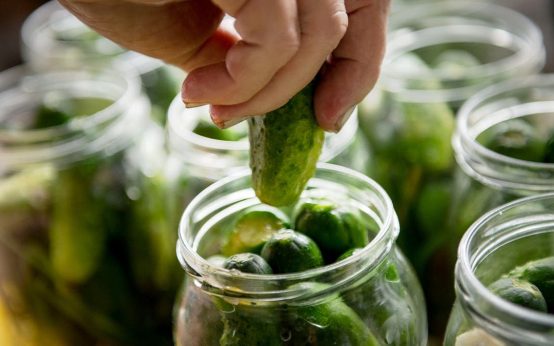 The Rise of Pickle-Flavored Snacks in America
 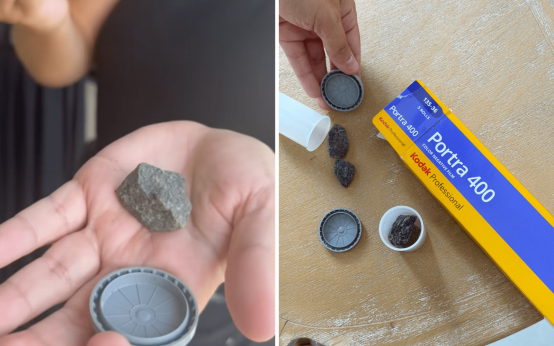 Unexpected Surprise for Photographer with Amazon Purchase
 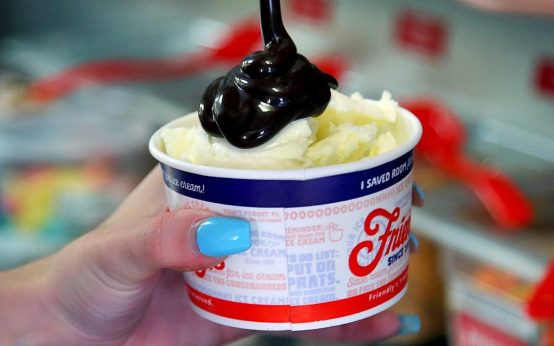 The Evolution and Challenges of Friendly’s Restaurant Chain
  Addressing Concerns over Parental Guidance
  Trace Gallagher’s Insights on Parenting in a Modern World
  Historic Los Angeles Building Transformed into Boutique Hotel