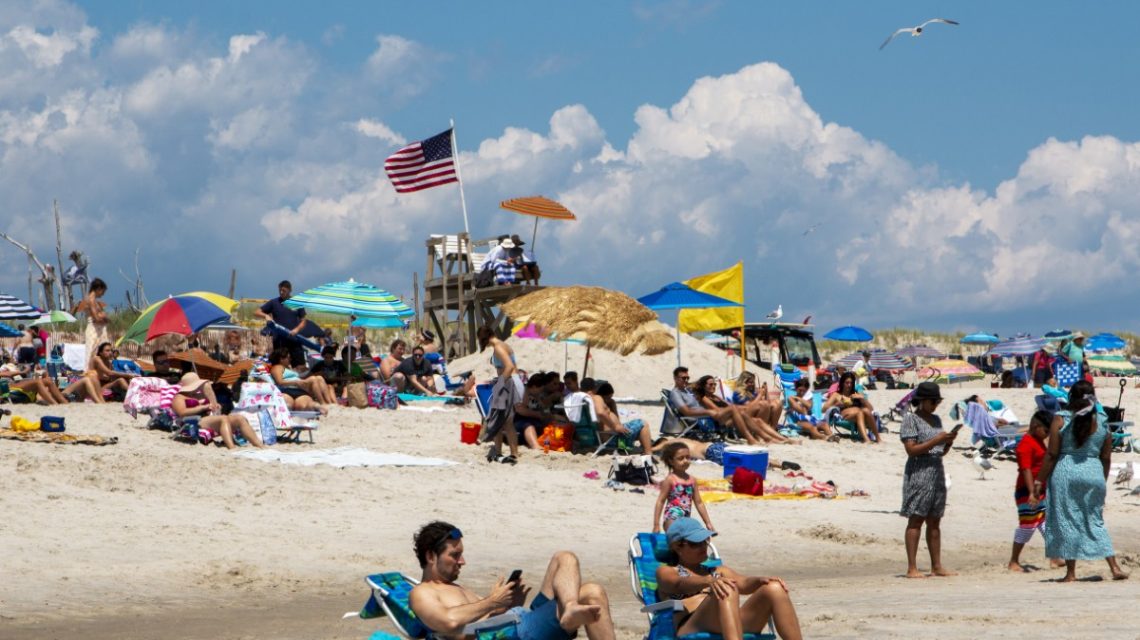
As July 4 approaches, officials urge Americans heading to the shore to exercise caution. Vibrio vulnificus, a potentially deadly bacterium also known as ‘flesh-eating bacteria,’ might be present in coastal waters near New York. In April, the Southampton Town Trustees advised locals and tourists about this marine bacterium found in warm saltwater and brackish environments during the summer. Though infections are rare, they become serious quickly in vulnerable individuals.
The Centers for Disease Control and Prevention (CDC) notes that about 20% of those who develop an infection from Vibrio vulnificus will face life-threatening complications, sometimes within days of falling ill. This bacteria, traditionally concentrated along the U.S. southeastern coast, is now appearing further north due to warming waters. New York has observed detections considered previously uncommon.
The trustees highlight that the presence of Vibrio vulnificus does not signify pollution or a public health crisis. Most infections occur when open wounds contact infected saltwater or brackish water. Those with underlying health issues or weakened immune systems must be extra cautious. The Southampton advisory is not a beach closure but a warning.
No Long Island or New York ocean beaches have closed specifically due to this bacterium. Newsweek has reached out to the New York State Department of Health for a comment, but as of Friday morning, none have been provided.
Where Is Affected?
Popular beaches such as Jones Beach, Robert Moses State Park, Fire Island National Seashore, Coopers Beach, Main Beach (East Hampton), Long Beach, and Orchard Beach are under routine water quality monitoring. The April study by Stony Brook found Vibrio detections in brackish areas like Mecox Bay, Sagaponack Pond, and Georgica Pond. For up-to-date conditions, consult:
- New York State Department of Health beach water quality reports
- Suffolk County Department of Health Services
- Nassau County Department of Health
- Local town or county beach websites for daily closures, bacteria advisories, and swimming conditions
Understanding Vibrio Vulnificus
Vibrio vulnificus is a bacterium thriving in warm coastal waters, especially where saltwater meets freshwater. Infection occurs through open wounds exposed to infested water or by consuming raw or undercooked shellfish, particularly oysters. Symptoms of wound infections include redness, swelling, severe pain, and skin discoloration. Bloodstream infections can cause fever and dangerously low blood pressure. Immediate medical care is critical if symptoms present.
Those with compromised immune systems, like individuals suffering from liver disease, cancer, or HIV, are more susceptible. Antibiotics might be needed for severe infections, and in certain cases, surgery or amputation could be required to eliminate dead or infected tissue. Health officials are closely monitoring rising cases linked to warm coastal waters. Climate change impacts are contributing to the recent increase in infections.
According to the CDC, about 100 to 200 Vibrio vulnificus cases are reported each year.
Warnings in Other States
Other states are also raising alarms ahead of the holiday. In Florida, nine Vibrio vulnificus cases have been confirmed this year, surpassing last year’s figures. Mississippi health authorities issued warnings in June after a severe infection followed a fishing trip. They advised keeping open wounds from brackish waters and using waterproof bandages if contact is unavoidable. Immediate medical care is recommended if symptoms develop.
Contact Newsweek editors on this story: Matthew Robinson and James Debens
 Physicians Urge Senate to Reject FDA Nominee
  Trump Issues Order to Combat Mosquito and Tick Populations
  Experts Warn About Brain Health Risks with GLP-1 Weight-Loss Drugs
  Gene Editing’s Ethical Dilemma and Potential
  The Role of Home in Addressing Children’s Mental Health
  Teens and Distracted Parenting: Impact on Emotional Well-being