
Massive Turnout for Ayatollah Khamenei’s Funeral
In Tehran, huge crowds of Iranians gathered on Saturday to honor the late Ayatollah Ali Khamenei at the state funeral for the fallen supreme leader. Khamenei, who led Iran for decades, was killed in a U.S.-Israeli conflict in late February. Tens of thousands emerged at dawn at Tehran’s Grand Mosalla mosque to begin six days of public ceremonies. The number of participants is estimated to reach millions as Khamenei’s body is transported across Iran.
Journalists from The New York Times witnessed grieving supporters shedding tears as they viewed the caskets of Khamenei and his family members. The caskets, draped in Iranian flags and encased in glass, occupied a stage, with the ayatollah’s coffin prominently placed above others.
Turbulent Times in Iran
The country faces turbulent times, transitioning from crisis to crisis. Earlier massive antigovernment protests met harsh suppression, followed by a war against the U.S. and Israel. Israeli airstrikes resulted in Khamenei’s death and that of other Iranian leaders on the first day of the conflict.
Though Khamenei’s supporters are mourning, many Iranians view the extended funeral program with resentment. His 37 years of authoritarian rule were rife with dissent suppression and economic mismanagement.
Ayatollah Mojtaba Khamenei: The New Supreme Leader
Mojtaba Khamenei, Ayatollah Khamenei’s son, has been named Iran’s new supreme leader, with his allies maintaining power. Whether he will attend the funeral is uncertain. He has not been publicly visible since his appointment.
The ayatollah’s burial, delayed for more than four months after the ceasefire between the U.S. and Iran, raises questions. Iranian authorities were presumably cautious about hosting an event involving senior figures while facing potential U.S.-Israeli attacks.
Funeral Route and Ceremonies
The funeral events intended to showcase the strength of Iran’s Islamic Republic, surviving despite regime change hopes from U.S. and Israel. After Monday’s procession in Tehran, Khamenei’s remains will move to Qom, Karbala, and Najaf in Iraq—cities significant to Shiite Muslims. Thursday marks his burial in Mashhad.
Among conservative supporters, like Ali Heydar, are those who camped overnight outside the mosque. Signs of critique emerged from hard-liners denouncing the cease-fire with the U.S. as a surrender. Mourners carried banners questioning the lack of retribution for the ayatollah’s death.
International Reactions and Peace Negotiations
Foreign dignitaries, government officials, and militants from the Middle East expressed condolences before Khamenei’s flag-draped coffin, according to state media. Iran-U.S. negotiations, despite attempts at progress, remain stagnant—mediated by Qatar and Pakistan—and have been unsuccessful in settling disputes or creating peace between the nations.
The New York Times attended funeral ceremonies through access granted by Iran’s government, restricted to specific events with government-assigned guidance. Reported opinions may not reflect a wide spectrum, with some interviewees potentially unable to speak freely.
Will Ayatollah Mojtaba Khamenei Attend the Funeral?
Amid weeklong events spanning five cities and involving foreign dignitaries and millions of Iranians, Ayatollah Mojtaba Khamenei’s participation remains uncertain. He has avoided public appearances due to security concerns since March.
Funeral planning committee head, Ali Akbar Pourjamshidian, declared the decision on Mojtaba’s attendance rests with his office. The younger Khamenei, shielded in hiding, sustained injuries during strikes that claimed his father’s life, hindering communication with him.
Even at the memorial ceremony for his wife, Zahra Hadad-Adel—killed along with other family members—his absence persisted. Followers eagerly anticipated Mojtaba’s public appearance during mourning ceremonies, but security concerns surrounding potential Israeli attacks cast doubt on his attendance.
Members of Iran’s Revolutionary Guards share the priority of ensuring Mojtaba’s safety, considered paramount. The new supreme leader has expressed desires to attend certain segments of the funeral, including reciting prayer during the burial ceremony in Mashhad.
Ayatollah Khamenei’s Legacy
Ayatollah Ali Khamenei was influential within Shiite Islam, mourned through rituals rooted in commemorative culture emphasizing remembrance. Men and women of varying backgrounds wept, wailed, and exhibited grief during Quran recitation and elegies echoing throughout the mosque. Security, health volunteers, and teenagers with Iranian flags demonstrated shared mourning.
Iran’s Simultaneous Projection of Unity and Crackdown
With funeral preparations underway, Iranian security forces maintained firm control over dissent and civil society figures. Recent arrests of notable environmentalists, including Houman Jokar and Sepideh Kashani, reflect ongoing suppression. Their lawyer, Hojjat Kermani, disclosed details surrounding their arrest, limited contact, and confiscated electronics.
Detainees faced no revealing charges, adding concern to their situation. Amnesty International reports ongoing severe crackdowns alongside a war atmosphere universally blamed on dissidents allegedly collaborating with U.S. and Israeli forces.
Exploiting the funeral’s portrayal for political gains, the government rallies attendees despite dissatisfaction linked to economic struggles and repressive measures. Iranian President Masoud Pezeshkian advocated for demographic inclusivity in mourning observances.
Critics, like Siamak Namazi—a former prisoner—question reconciliation claims, highlighting the arbitrariness and lack of due process regarding detainee treatment.
The Mosque Gathering Experience
Individuals navigated through crowded roads and stairways to attend funeral rites. Some came from outside Tehran, others from city outskirts, demonstrating widespread engagement. Overnight camping in cars wasn’t uncommon among dedicated attendees, compelled by Khamenei’s significance.
At the Grand Mosalla mosque, participants arriving at dawn underscored the profound shared experience. Streams of mourners, dressed in solemn attire, formed a sea of dark clothing and somber faces, echoing tributes against an unfolding day, transforming the area into sacred grounds of tribute and reflection.
Details of the Funeral Procession
Public mourning initiated on Saturday marks a weeklong rite steeped in Shiite Islamic traditions and a significantly vast procession spanning Iran and extending to neighboring Iraq. Teheran’s Grand Mosalla mosque, an emblematic site for Khamenei, serves as the focal point. Following months of delay due to conflict, strategic funeral arrangements are met with logistical challenges amid ongoing wars and summer heats.
Route information, published by Iranian state media, indicates Ayatollah Khamenei’s remains traverse diverse locales beginning in Tehran, concluding in Mashhad. Through the transit, revered Shiite shrines are memorialized, highlighting the complexities and coordinated efforts necessary for such grandeur.
Ayatollah Khamenei’s significant spiritual influence positions him beyond political realms within his Shiite constituency, personifying an era of deeply founded doctrinal reverence.
Facilitating tens of millions in ceremonial attendance amid regional tensions underscores Iran’s commitment to honoring its historical figurehead while continuing its socio-political narrative.
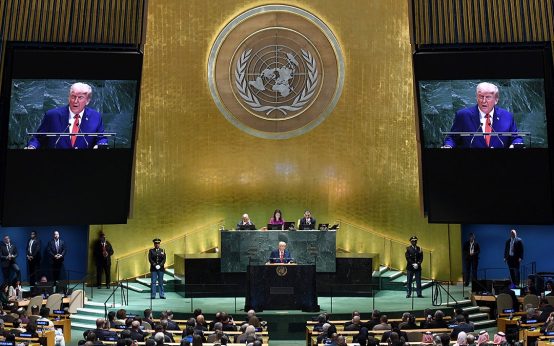 Trump’s Approach to Iran at the United Nations
 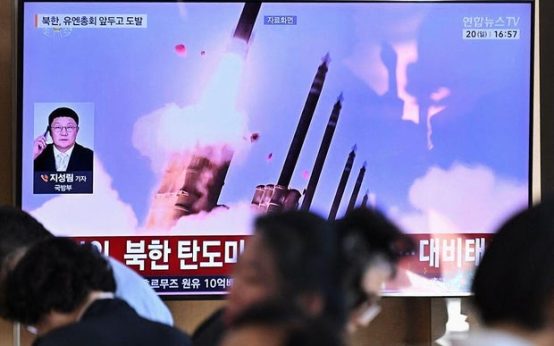 North Korea’s Missile Launches Escalate Tensions
 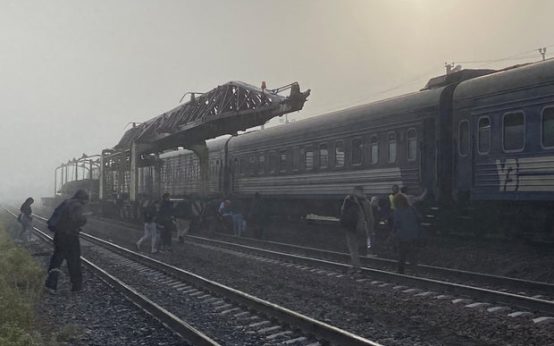 U.S. Plans for Permanent Army Base in Poland Amid Tensions with Russia
  Berlin’s Mayoral Race: A Candidate Inspired by New York Leadership
 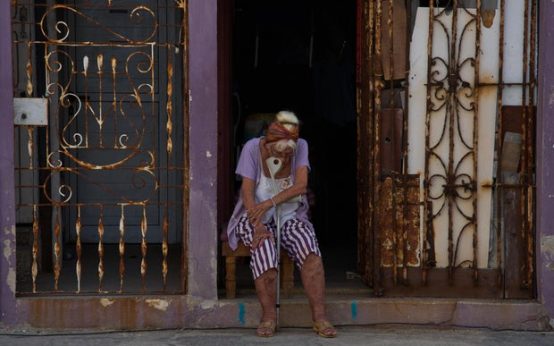 Cuba Faces Sixth Power Grid Collapse Amid U.S. Fuel Blockade
  Daring U.S. Rescue Mission in Iran