The Trump administration has actively shared AI-generated images online, using cartoon-like visuals and memes on official channels. An edited image of civil rights attorney Nekima Levy Armstrong crying after her arrest stirred concerns about the blurred line between reality and fabrication. Homeland Security Secretary Kristi Noem posted the original image, followed by the White House posting the altered one. Experts worry about the erosion of public trust due to AI-edited images, following events involving U.S. Border Patrol officers in Minneapolis.
Critics raised issues with the altered image, prompting White House officials to defend their post. Deputy Communications Director Kaelan Dorr stated on social media that “memes will continue.” Deputy Press Secretary Abigail Jackson mocked the criticism, showcasing an approach to handling backlash.
David Rand, a Cornell professor of information science, explained the characterization of the image as a meme might attempt to deflect criticism by presenting it as humor. The objective of sharing such manipulated media appears more ambiguous compared to previous cartoonish images shared by the administration. Memes convey layered messages, often understood only by certain audiences, and AI manipulation seems to be a tool to engage Trump’s online supporters.
Republican communications consultant Zach Henry noted that people who frequently use the internet recognize these as memes, while others might misunderstand them as reality, potentially leading them to question their authenticity.
Michael A. Spikes, a media literacy researcher, pointed out that sharing manipulated images by credible sources can distort perceptions of real events. Trust in the government relies on accurate and verified information; compromising this trust leads to serious concerns, especially given existing trust issues in media and education.
UCLA professor Ramesh Srinivasan highlighted the troubling aspect of AI systems exacerbating trust issues. Government roles in promoting AI content can encourage others in credible positions to share synthetic media, further complicating discernment of authenticity.
Social media algorithms often favor extreme and conspiratorial content, creating considerable challenges. AI-generated videos related to ICE actions, protests, and citizen interactions have proliferated online. Following the shooting of Renee Good by an ICE officer, fabricated videos circulated, depicting evasive interactions with ICE officers.
Jeremy Carrasco, a media literacy content creator, explained that these videos often originate from engagement farming accounts, leveraging popular keywords. While some viewers oppose the agencies involved, many struggle to distinguish between real and fake content.
The widespread dissemination of AI-generated political images raises concerns akin to the fabricated content following Nicolás Maduro’s capture. Carrasco anticipates increased commonality of AI-generated political content and emphasizes the potential benefits of a watermarking system. The Coalition for Content Provenance and Authenticity has proposed such a system, offering a solution to tracking media origins.
Increased awareness of the impact of AI manipulation remains crucial, as does attention to developments in media authenticity solutions.
 House Races Shift Amid Democratic Momentum
 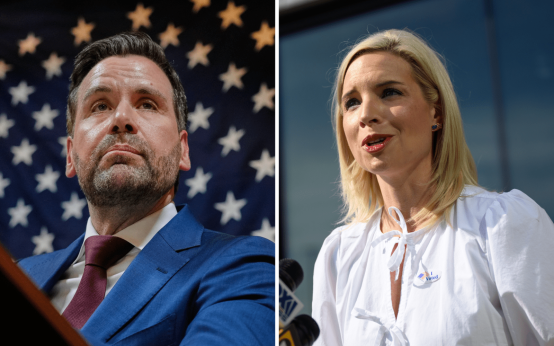 Iowa Senate Race: Marist Poll Shows Democrat Josh Turek Leading Republican Ashley Hinson
 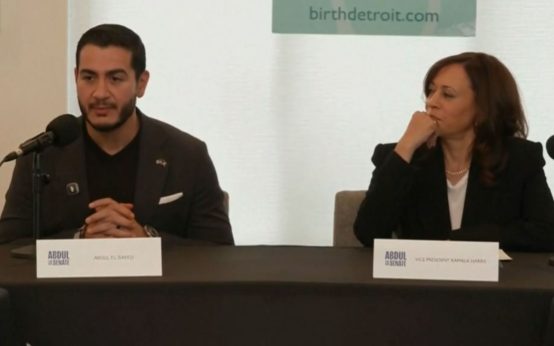 Kamala Harris and Abdul El-Sayed Campaign Together in Detroit
  New U.S. Military Bases Planned in Greenland Amid Strategic Security Deal
  Challenges Facing the Supreme Court’s Public Perception
  California Democratic Aide Arrested for Visa Overstay by Federal Authorities