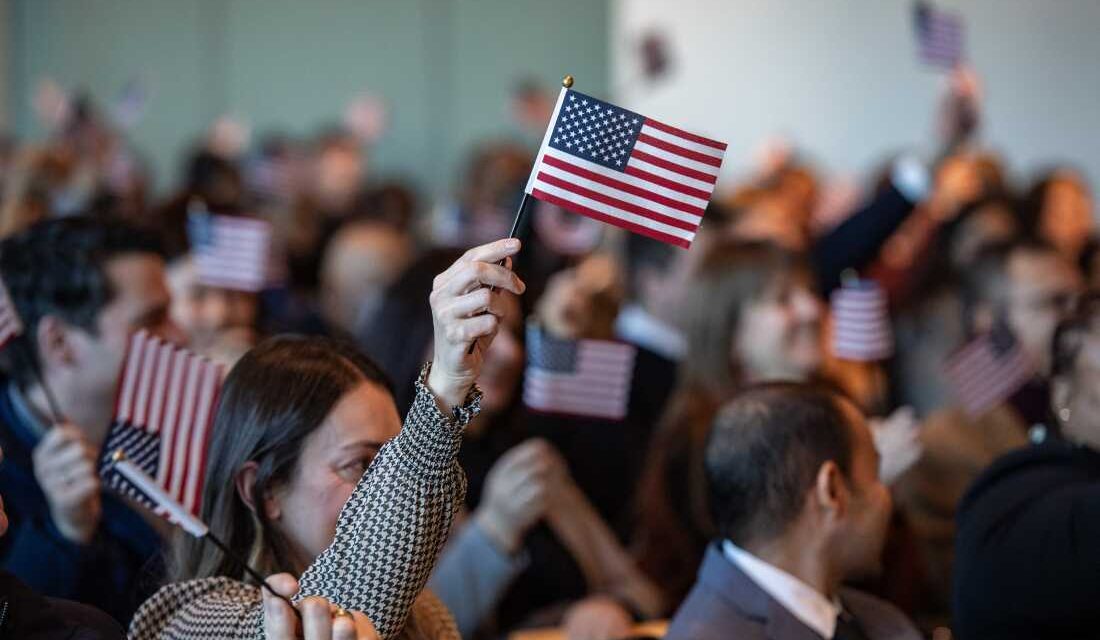
Individuals celebrate their journey to becoming U.S. citizens during various naturalization ceremonies. Yet, not all those connected to U.S. citizens find the path so accessible.
Policy Changes Affecting Spouses of U.S. Citizens
The Trump administration initiated several measures to limit legal migration. These measures impacted groups like spouses of U.S. citizens, normally unaffected by such policies. The administration paused immigrant visas from 75 countries, enforced stricter scrutiny at green card interviews, and broadened deportation targets. These shifts have impacted both immigrants entering through marriage and those already in the U.S.
Legal experts and families report that non-U.S.-citizen spouses fear engaging with immigration systems. Ashley DeAzevedo of American Families United notes a rise in self-deportation among members. The organization now supports about 1.4 million people in the U.S. and 300,000 abroad.
“Life has become a lot more difficult for Americans who are married to somebody who is not born in this country,” said DeAzevedo.
History of Immigration Laws for Spouses
Traditionally, U.S. law has given special status to spouses of citizens. They aren’t subject to quotas and can adjust status without maintaining continuous legal status. Sharvari Dalal-Dheini of the American Immigration Lawyers Association highlights the historical difference in treatment.
“Spouses of U.S. citizens aren’t subject to the immigrant quotas,” Dheini noted.
However, the current administration treats these cases akin to other immigrant categories.
USCIS Response and Current Challenges
USCIS argues that closer scrutiny ensures American safety. Zach Kahler, a USCIS spokesman, stated that marrying a U.S. citizen does not inherently offer deportation protection. A pending or approved Form I-130 does not grant legal status. Compliance with U.S. immigration laws remains mandatory, and those overstaying their visa may face enforcement action.
Family sponsorships, including those for spouses and fiancés, constitute a significant portion of green card approvals. In 2024, about 343,000 people received their green cards via marriage. However, processing times remain lengthy. For family members, it averages 13 months, while fiancés wait about seven months.
Impacts on Families, Including Military Members
Families face unseen challenges under these policies. Es, a green card holder married to a U.S. citizen, faces travel restrictions due to her birth country’s status. Despite living in the U.S. for decades, her citizenship application is stagnant. This legal pause disrupts her and her military spouse’s plans.
“We’ll be thousands of miles away and he has to think about his job,” Es expressed.
Legal issues extend beyond bans and impact those dealing with consulate delays and other bureaucratic hurdles.
Factors Discouraging Interaction with the Immigration System
Recent policies have heightened scrutiny across all immigration interactions. Officers now conduct more interviews and review financial histories. Such measures deter families from pursuing their cases.
Eric Welsh, an immigration attorney, points to the vulnerability of spouses. Attaining legal status through marriage has never been guaranteed, and these extra measures amplify concerns.
“Spouses are vulnerable,” Welsh emphasized.
The chilling effect of these policies discourages families from voluntarily putting spouses in the system, according to DeAzevedo.
 Michigan Senate Nominee Abdul El-Sayed Criticized for Remarks on Reproductive Rights
  AFL Investigates Fairfax County Schools’ 9/11 Teaching Guidance
  Poll Reveals Voter Preferences Between Socialist Democrats and MAGA Republicans
  Challenges of Electing a Female President: Insights from ‘The View’
  Upcoming Concerns and Influence in Health Politics
  Rep. Donalds Distances Himself from Trump as Florida Governor Race Tightens