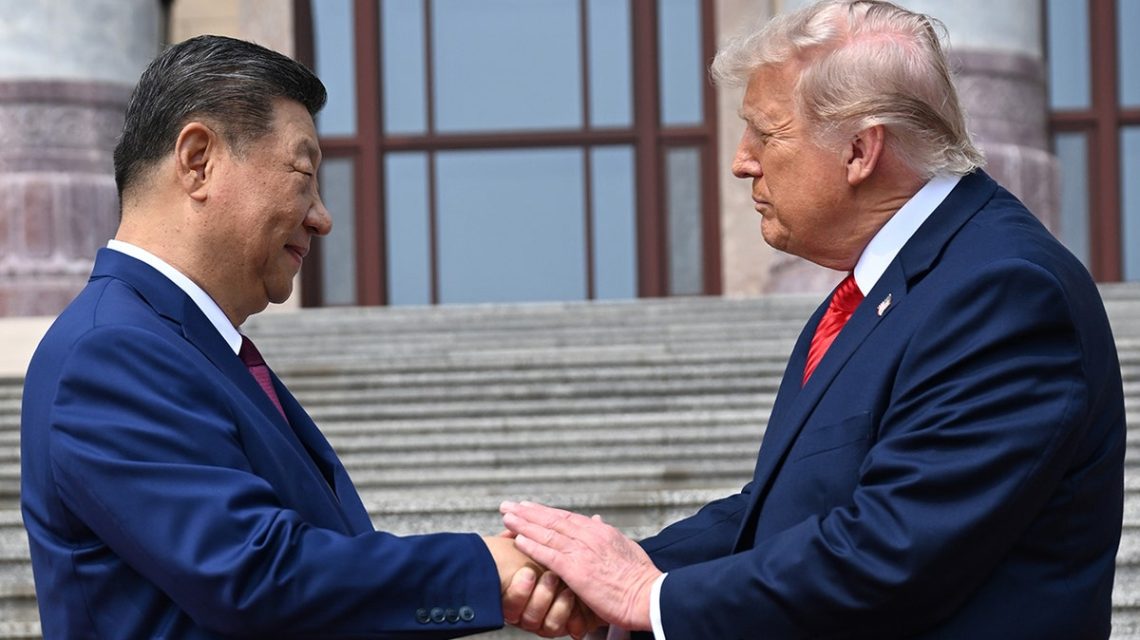
Americans are anticipating advancements in artificial intelligence with concerns about futuristic threats such as killer robots and bioweapons. However, experts warn that China’s current strategy to challenge America’s global leadership in AI does not involve direct aggression. As Chinese President Xi Jinping visits the U.S., authorities emphasize that Beijing is adopting subtle techniques to erode U.S. dominance without conflict.
Understanding China’s Three-Part Strategy
Expert insights show a three-part strategy that China employs through AI. This methodology involves:
- Extracting the logic of American AI models to gain advantage.
- Undercutting U.S. developers by distributing free open-source software globally.
- Weaponizing AI systems for cognitive warfare and other strategic uses.
Through research labs, China bypasses significant U.S. investments by examining American AI and replicating its capabilities. Simultaneously, they flood the market with free alternatives, removing financial barriers for Fortune 500 companies that opt for these over costly U.S. systems.
The Economic and Tactical Implications
Expert Leah Siskind from the Foundation for Defense of Democracies suggests that traditional race metaphors don’t capture the complex nature of China’s approach. Rather, it resembles a multi-front war with varying outcomes across different sectors.
“How can you compete with something that’s free when American tech is expensive? Ensuring a Chinese model is devoid of censorship challenges us.”—Leah Siskind
China expert Gordon Chang highlights that this tactic follows similar economic strategies that China used to dominate the solar panel industry. By making AI available cheaply and widely, Beijing aims to outpace American models on both cost and market presence.
Addressing Hardware Limitations and Knowledge Distillation
The U.S. maintains a significant lead in infrastructure with over 5,400 data centers and superior microchips compared to China’s smaller scale. To bridge this gap, Chinese labs employ a technique called “knowledge distillation.” This involves smaller models interrogating larger American models to replicate their functionality, allowing China to develop competitive AI technologies like DeepSeek with minimal resources.
Recently, the Department of Homeland Security raised alarms about large-scale campaigns by Chinese companies aiming to extract proprietary information from U.S. models.
Broader Implications and Security Concerns
The risk extends beyond economic competition. Experts reveal that China uses AI technologies in supply chains and public influence strategies. Instead of relying on dramatic AI applications like lethal robots, China focuses on “embodied AI,” integrating intelligence into industrial operations and drones.
“AI-enhanced propaganda threatens American autonomy in decision-making.”—Gordon Chang
As Xi Jinping arrives in the U.S., experts urge the White House to prioritize mitigating these indirect yet present threats as fiercely as traditional military maneuvers. Measures include tightening export controls and encouraging U.S. open-source development.
Chang articulates concerns about cultural impacts and the possibility of China’s historic ambitions being realized through AI.
“Xi Jinping promotes China’s imperial narrative of dominion. AI could empower them to pursue this vision.”—Gordon Chang
As the United Nations General Assembly convenes, former President Donald Trump highlighted America’s objective to excel in AI, announcing new terminology like “superintelligence” to encapsulate the nation’s AI ambitions.
The narrative underscores the stakes of technological leadership, with implications that transcend economic rivalry for broader sociopolitical ramifications.
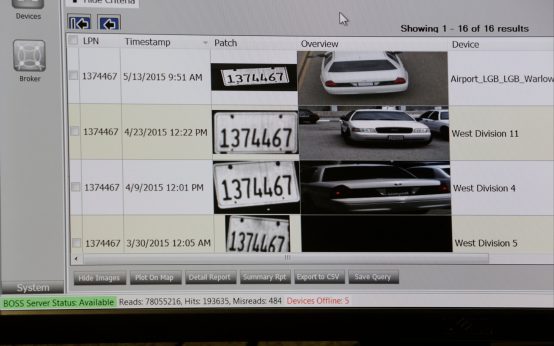 Controversy Surrounds Automated License Plate Readers Across the U.S.
 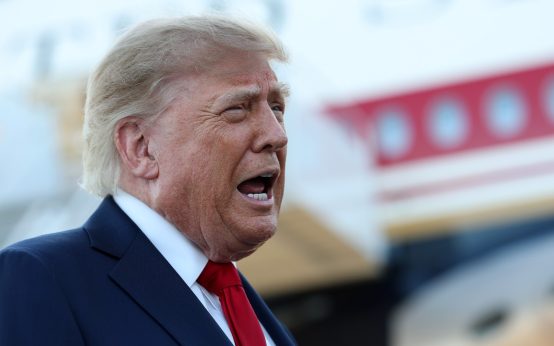 Trump and Harp Sued Over Truth Social Subscriber Program
  Implications of AI in College Admissions
  Congressional Inaction Amid AI Concerns
  Rising Demand for Data Centers Driven by AI Development
 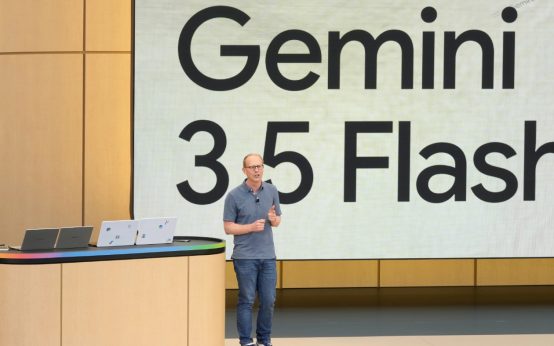 Understanding AI’s Impact Compared to Historical Threats