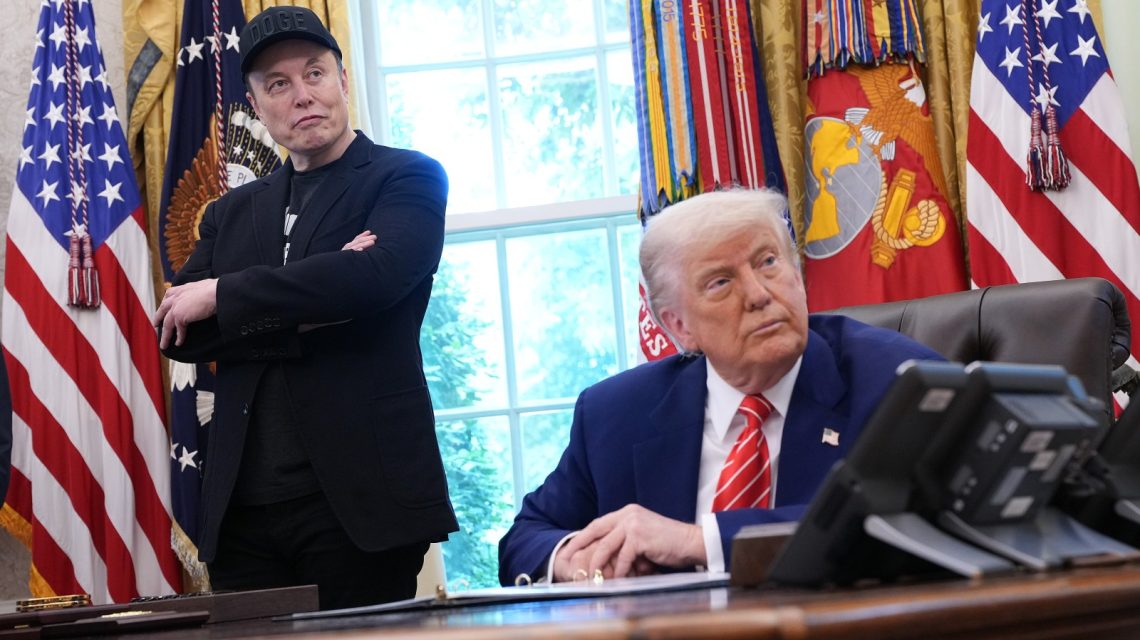
The Department of Government Efficiency, known as DOGE, marked its close as a cost-saving initiative that began during Donald Trump’s second term. In late 2025, the department was quietly dissolved, blending into the broader federal structure, as noted by administration officials. This occurred even though eight months remained on its scheduled 18-month plan, which officially concluded with the charter’s expiration on July 4.
The department’s official communication highlighted, “While the formal mission of DOGE has come to an end, the mission to eliminate waste, fraud, and abuse will continue.” It emphasized that responsible management of taxpayer funds and accountable governance are enduring principles that should persist long into America’s future.
Initiatives and Actions
Initially led by Elon Musk, the department’s actions included significant reductions to the federal workforce, retraction of funding from various programs and agencies, and the nullification of government contracts worth billions. However, the initiative only achieved a fraction of its intended savings target. Democrat lawmakers and affected organizations criticized its considerable cuts.
Early Establishment
On the first day of his second term, President Trump issued an executive order to create DOGE as a temporary agency aimed at carrying out an 18-month agenda before its planned termination on July 4. Trump stated that creating a leaner and more efficient government would be a fitting gift for America’s 250th Independence Day anniversary.
In its first weeks, DOGE integrated its employees across various federal agencies, starting measures to reduce the government’s size through buyouts and deferred resignation programs. The Office of Management and Budget later reported that DOGE’s initiatives led to the departure of over 260,000 federal employees in 2025.
The department’s access to several agencies’ internal systems, including those of Health and Human Services and the Social Security Administration, triggered lawsuits from federal worker unions.
Impact on USAID
The United States Agency for International Development (USAID) was significantly affected by DOGE’s efforts, which involved cutting funding and staffing to the extent of almost dismantling the agency. While proponents claimed the agency required reform, critics argued these cuts compromised crucial humanitarian programs.
Despite still existing nominally, USAID faced substantial program slashes, with reports indicating its official closure would occur in September.
Musk’s Departure and Subsequent Developments
In May of the previous year, as contract cancellations and workforce reductions continued amid legal obstacles, Musk announced his exit from DOGE to concentrate on personal business ventures. There had been investor concerns at Tesla about Musk’s focus on government roles negatively affecting the company.
His departure came during scrutiny over workforce reductions, contract terminations, and transparency challenges. Questions also arose about the calculations behind the alleged savings he posted on DOGE’s “wall of receipts.”
Final Months and Legacy
Following Musk’s exit, DOGE’s activities slowed down significantly, and by November, official statements acknowledged the project had ceased operation ahead of schedule. Remaining tasks and responsibilities from DOGE would transition to the Office of Personnel Management, where its core agenda would continue.
Courts continue addressing cases linked to layoffs, grant cancellations, agency restructurings, and data access issues. According to its site, DOGE terminated numerous contracts, grants, and leases, reporting savings of $215 billion.
This figure fell short of Musk’s initial $2 trillion savings target, and recent analysis indicates that these savings may have spurred long-term issues for numerous agencies. Federal job postings have increased recently as departments strive to recover from the staffing reductions executed in early 2025.
 Republican Senator Criticizes Trump’s $5,000 Check Proposal
  Trump’s Approach to Iran at the United Nations
  Trump’s Triumphal Arch Controversy
 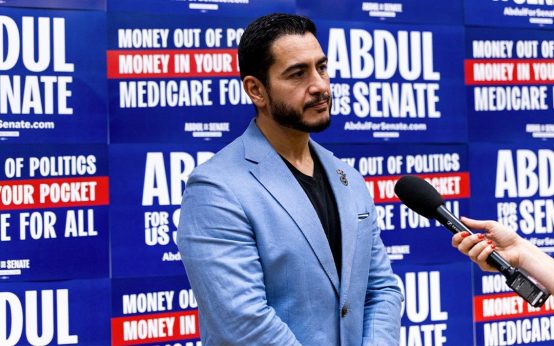 Concerns Over Abdul El-Sayed’s Potential Senate Role and National Security
 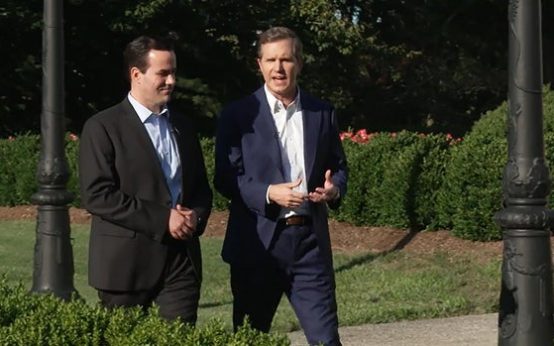 Kentucky Governor Andy Beshear Discusses Tariffs, Faith, and Political Ambitions
 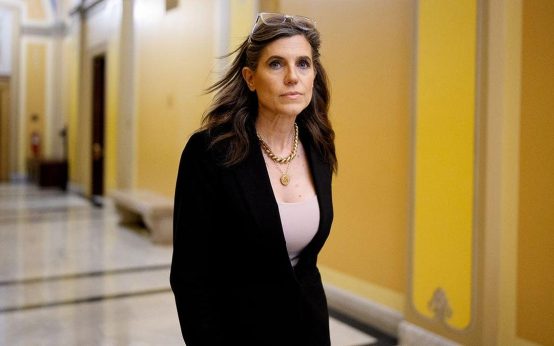 Sunday Highlights: Lane Kiffin, Nancy Mace, and College Football Drama