
The recent Supreme Court ruling has affected the dismissal of former Democratic commissioner Jocelyn Samuels from the Equal Employment Opportunity Commission (EEOC). Following the ruling, Samuels dropped her lawsuit challenging her removal by President Donald Trump. The court ruling substantially increased presidential power over independent agencies, excluding the Federal Reserve. This decision supports Trump’s actions to restructure civil rights enforcement.
President Trump dismissed Samuels and another Democrat before their terms ended, unprecedented in the EEOC’s history established by the 1964 Civil Rights Act. This allowed Trump to realign the commission towards his civil rights agenda. The EEOC, now with two Republicans and one Democrat, reflects this shift. Trump has not yet nominated candidates for two vacant seats. Samuels highlighted that EEOC commissioners serve staggered terms to provide stability and avoid political influence.
EEOC Chair Andrea Lucas agreed with the Supreme Court’s decision, classifying the EEOC as an executive branch agency. The EEOC seeks to implement Trump’s civil rights agenda with proposed regulatory changes. Democratic commissioner Kalpana Kotagal opposed these changes, arguing it would weaken worker protections.
Among the proposals, the EEOC plans to end the collection of workplace demographic data from employers. This has been standard for companies with over 100 employees or federal contractors with at least 50 workers. Lucas warned against using such data for potentially discriminatory practices. Critics argue this data fosters assumptions of discrimination behind workforce imbalances, while supporters say it helps identify such patterns and prioritize investigations.
The EEOC will also address guidelines regarding national origin-based discrimination. It plans to rescind guidelines cautioning that English-only workplace rules may be discriminatory. Critics say the guidelines are outdated, while the EEOC believes they incorrectly assumed such rules violate Title VII in certain cases.
The commission has voted to eliminate guidance on voluntary affirmative action, which allowed employers to offer specific programs to support women and minorities without violating Title VII. Additionally, the EEOC will revise regulations for enforcing the Pregnant Workers Fairness Act, focusing on workplace accommodations for pregnancy-related conditions. Lucas opposed including abortion as a condition for accommodation under the law.
Financial support for the Associated Press’s women in the workforce coverage comes from Pivotal Ventures. The AP maintains editorial responsibility and transparency in its content and funding sources.
 Data Centers Uniting Unlikely Allies Ahead of Midterms
 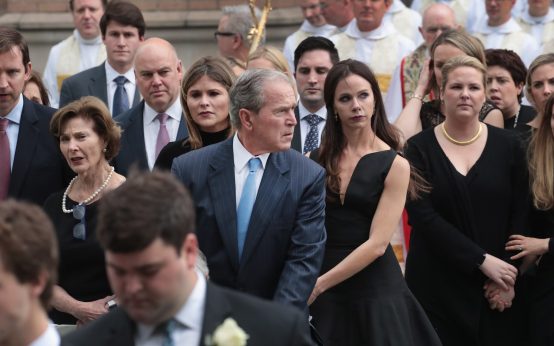 Debunking Claims of George W. Bush Endorsing Democrat James Talarico
  International Law Under Threat: U.S. Sanctions on the International Criminal Court
 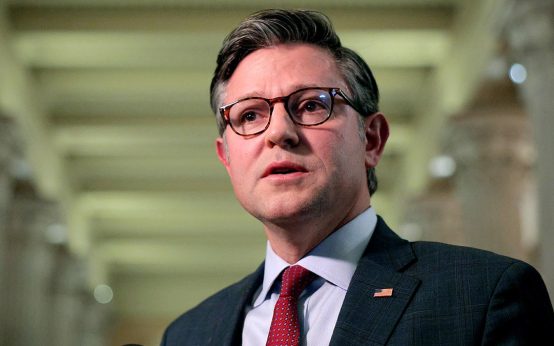 House Speaker Johnson Warns of Democratic Policies’ Impact on Midterm Elections
  Chicago’s Daylight Saving Time Debate
 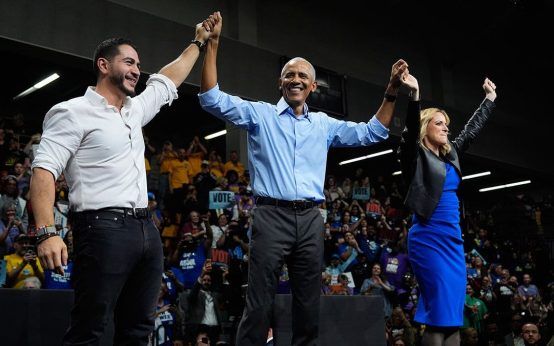 Obama Supports Progressive Democrats Ahead of Midterm Elections