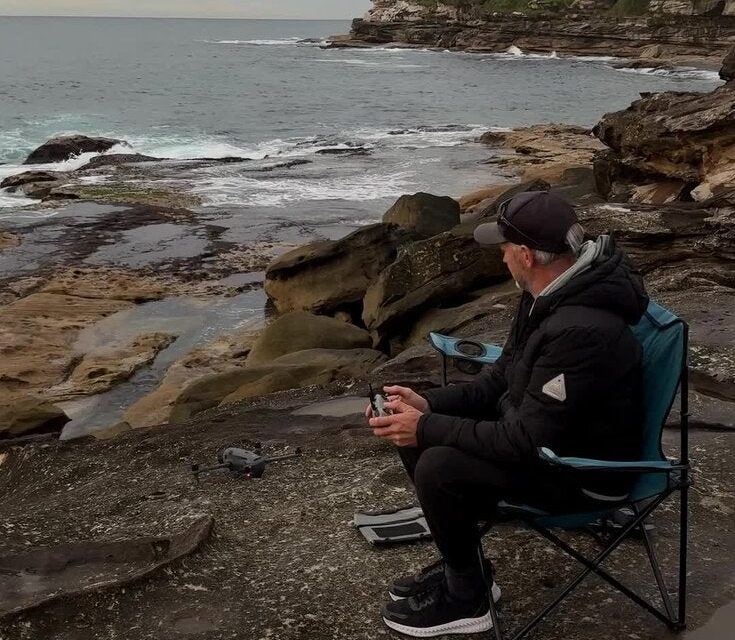
Australia is intensifying efforts to ensure the safety of swimmers and surfers following the recent shark incident involving a schoolteacher at Coogee Beach. This initiative involves expanding surveillance measures on the beaches.
Australia’s coastline has seen a rise in shark activity. A tragic attack by a suspected great white shark last month at Coogee Beach has heightened the concern.
Jason Iggleden, a drone operator, is part of the effort to monitor Australia’s beaches. He sets up at Bondi Beach, his drone hovering above the waters, on the lookout for any signs of sharks. ‘The drone is, in my opinion, the best way to monitor the beach,’ he said, emphasizing that while safety can’t be guaranteed, drones enhance surveillance.
In response to the situation, New South Wales officials are boosting aerial shark surveillance funding. Previously limited to peak tourist seasons, the drone program now operates year-round across approximately 70 beaches. Operated by Surf Life Saving New South Wales, this initiative marks a significant change from seasonal monitoring to continuous surveillance.
When drones detect potential danger, lifeguards are notified and can take immediate action to ensure public safety. This proactive approach resulted in several beach closures in early July as part of the expanded surveillance program.
 Macklemore’s Free Palestine Tour Faces U.S. Venue Rejections
 Paraguay’s President Impeached Following Bank Collapse
 Pope Leo XIV Advocates for Universal Healthcare and Social Equality in Uruguay
 Paraguay’s Political Crisis: Former President’s Ouster and Bank Collapse
 Shooting in Kraków’s Main Market Square: Five Dead, 12 Injured
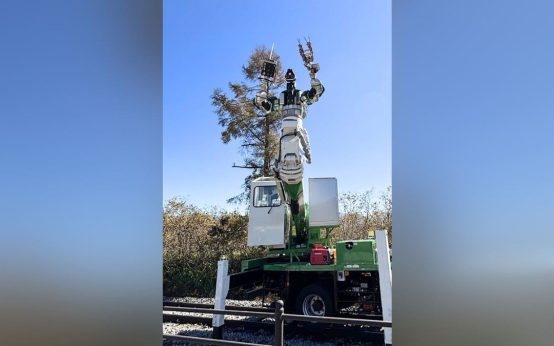 Transformation: AI Changes What Robots Can Accomplish