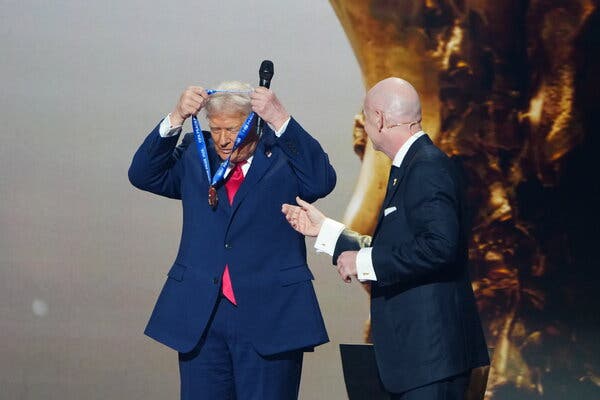
President Trump recently made headlines with his involvement in the FIFA controversy. His phone call to FIFA President Gianni Infantino to protest the suspension of an American soccer player highlighted his willingness to engage in areas traditionally considered apolitical.
For nearly a month, Trump had stayed away from the World Cup, focusing on domestic concerns like construction projects and international issues such as a conflict with Iran. However, the global sporting event’s appeal eventually drew his attention.
The call contributed to a lively debate about the role of political influence in sports. It became a point of discussion after FIFA decided to overturn the player’s suspension. This decision provided motivation for the Belgian team, which defeated the United States 4-1. Belgium’s team celebrated with a dance mimicking Trump’s moves and shared a message: “Overturn this.”
This incident illustrates a pattern evident throughout Trump’s presidency: his readiness to assert influence across all spheres, both domestically and globally. Trump’s history with sports controversies is significant. During his first term, he often criticized NFL players for kneeling during the national anthem as a stance against racial injustice. He also used the topic of transgender athletes as a political tool during elections.
Trump’s approach contrasts with previous American presidents, who generally maintained a level of restraint in such matters. His demeanor and actions fuel ongoing discussions about the intersection of politics and sports.
 Organized Labor in 2026: Challenges and New Allies
  Nationals’ Focus Turns to Player Development as Playoffs Slip Away
  Fiery Student Protests at Florida International University: Immigration Policy Sparks Debate
  Democrats Urged to Address AI Regulation Amid Trump’s Position
 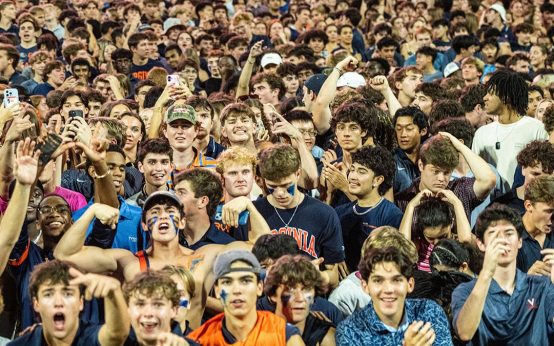 College Football Rivalries and Trash Talk
 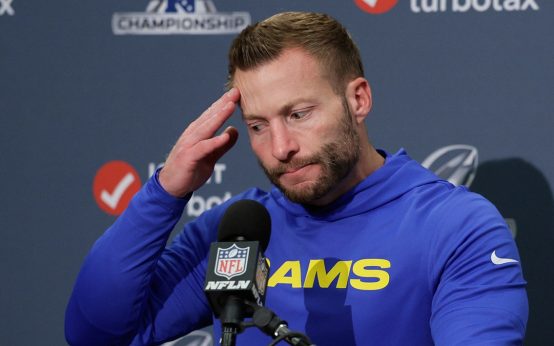 Exploring Professional Fulfillment: Sean McVay and Tom Brady’s Journey Beyond Success