For nearly 175 years, Northwestern University has enjoyed a property tax exemption granted by Illinois lawmakers. This exemption, part of the school’s historic 1851 charter, remains a significant hurdle for Evanston officials who seek more funds from Northwestern, the city’s largest employer.
On July 27, the exemption once again prevailed. Evanston City Council rejected a proposal to place an advisory referendum on the November ballot. The referendum would have asked voters if tax-exempt organizations, like Northwestern, should pay taxes when they use property for commercial purposes unrelated to their nonprofit missions.
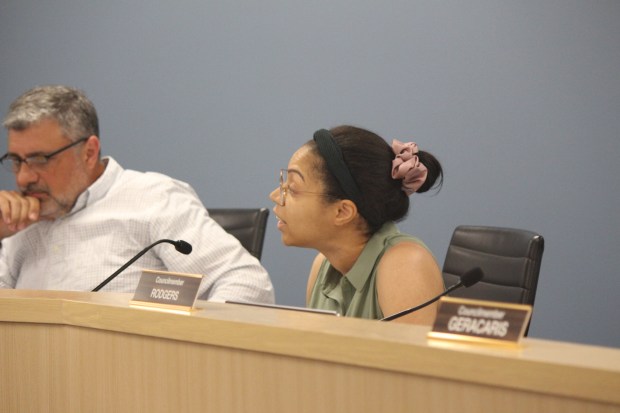
The proposal failed due to a 4-4 tie vote. Ald. Juan Geracaris abstained because he works for the university. Mayor Daniel Biss was absent from the meeting, so he could not break the tie.
Illinois Tax Code and Northwestern’s Exemption
In Illinois, property owners must pay taxes. However, certain entities, such as schools and religious institutions, can apply for tax exemption. Northwestern benefits from a corporate charter exemption. This exemption, awarded before Illinois’ Constitution of 1870, allows the university’s property to remain tax-free.
The university is among 80 institutions with this privilege, and possibly the most prominent. Most tax-exempt nonprofits pay taxes when they use land for commercial activities unrelated to their missions. Council members pointed out that Northwestern operates commercial ventures like a child care center and a restaurant without paying taxes.
Ald. Parielle Davis, who led the proposal, advocates for Northwestern to make payments in lieu of property taxes (PILOT). “We want [Northwestern] to be taxed as a nonprofit entity, which they are,” Davis said. The referendum included language allowing Northwestern to avoid these payments if approved by 75% of the City Council.
Debate on the Referendum’s Effectiveness
Several Council members agree the exemption is unfair but worry that a new referendum might create challenges. Ald. Bobby Burns mentioned his ward would likely support the ballot question. However, he doubted the need for a referendum and preferred discussing the issue first.
“Is it legally implementable? How does it change our relationship with Northwestern? Let’s have the discussion,” Burns remarked.
Ald. Jonathan Nieuwsma shared a similar sentiment. He believed a non-binding referendum would not solve the problem and preferred an enforceable ordinance. He emphasized being strategic in engaging with Northwestern. The city’s recent approval of Northwestern’s new $875 million stadium showed the importance of careful negotiation.
Legal Challenges and Future Considerations
Evanston Corporation Counsel Alex Ruggie noted that Northwestern’s charter has been legally challenged multiple times. However, both the Illinois Supreme Court and the U.S. Supreme Court have upheld it each time. Ruggie explained, “We can’t institute property taxes against them. Northwestern has a legislative charter that no other nonprofits have.”
Ald. Matt Rodgers supported exploring a referendum but acknowledged potential legal battles. He works for a nonprofit that pays taxes on commercial activities. Rodgers noted the city’s hesitation in challenging Northwestern, a wealthy institution.
“It’s been a huge problem for Evanston every year since 1851,” Nieuwsma commented. “That is the law of the land.”
Nieuwsma expressed concern that Northwestern might fight any ordinance in court, which could be costly. He suggested that discussions about this issue do not require a referendum.
 President Trump Proposes ‘Super Intelligence’ as New AI Term
  Trump Administration Considers Diesel Export Ban Amid Rising Prices
  Texas Senate Race Tightens with Shifting Youth Support
  Flight 93 Hero’s Father Criticizes Ties Between Hasan Piker and Abdul El-Sayed
  House Races Shift Amid Democratic Momentum
  Iowa Senate Race: Marist Poll Shows Democrat Josh Turek Leading Republican Ashley Hinson