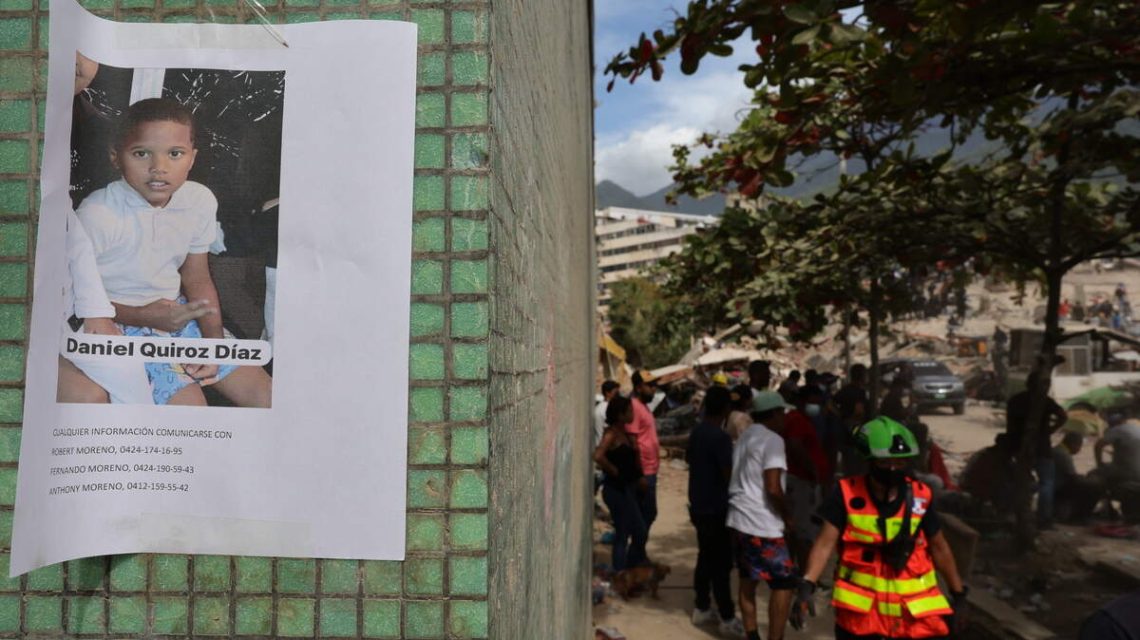
A powerful 7.2 magnitude earthquake hit Venezuela and other Caribbean regions on June 28, with the epicenter in Caraballeda, La Guaira. This disaster left more than 3,500 people dead and thousands missing in Venezuela alone. Many Venezuelans are questioning if this tragedy partly stems from man-made issues, specifically the long-standing policies under Chavismo.
The government faces criticism for a perceived ineffective response. The situation worsens a humanitarian crisis initially triggered by Hugo Chávez’s policies in the late 1990s. These policies, characterized by populism and increased state control, eventually drove nearly 8 million Venezuelans to leave the country.
Public outcry intensified as people searched for the missing amid the rubble. In Caraballeda, concerns grew about government-built apartment complexes. These structures, constructed with questionable materials and contracts, collapsed during the earthquakes. In some buildings, white Styrofoam was found mixed with concrete, indicating poor construction practices, as reported by NPR.
The area around La Guaira recorded high numbers of earthquake casualties. Planning for the Misión Vivienda project began during Chávez’s presidency, when the nation was rich from oil revenue. The urgency to complete construction coincided with electoral politics, leading to transparency issues regarding soil tests and design standards. The New York Times noted that even before the earthquakes, some Misión Vivienda buildings were demolished due to poor construction.
El Estimulo, a Venezuelan news outlet, highlighted the opaqueness surrounding Misión Vivienda. The project’s details about material quality, investments, and studies remain unknown to the public.
Venezuelan acting president, Delcy Rodríguez, stated that most collapsed buildings in La Guaira were not state-constructed. Despite this, public housing devastation typically triggers investigations in democratic nations. Although Nicolás Maduro was detained by the U.S. in January, the Chavismo regime continues under Rodríguez, a close Maduro associate.
The Venezuelan government regards Misión Vivienda as a triumph, claiming 5.5 million homes built, as per the Times. Yet the earthquakes reveal challenges in U.S. policy toward Venezuela. With Maduro out, a democratic shift appears challenging amid the destruction. Free elections might become more difficult to pursue.
For Venezuelans in South Florida, the earthquakes underscore Chavismo’s failure. Instead of fulfilling promises of equality and aid to the poor, Venezuela suffers from repression and corruption common in undemocratic systems.
The possibility of inadequate housing construction costing lives presents a disaster larger than any natural calamity.
 Israeli Prime Minister’s Visit to the U.N. Amid Controversy
  U.S. Secures Strategic Arctic Agreement
  Trump Administration’s Plan to Resettle Afrikaners as Refugees
 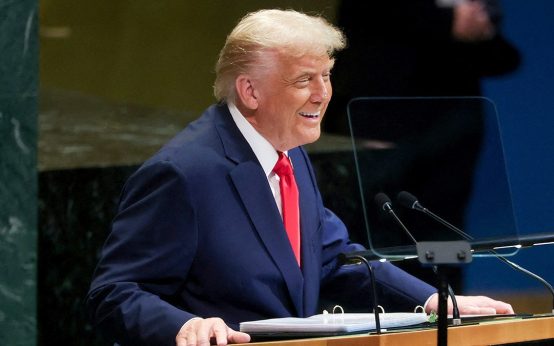 Trump’s Vision on Iran, AI, and Global Security at the UN
 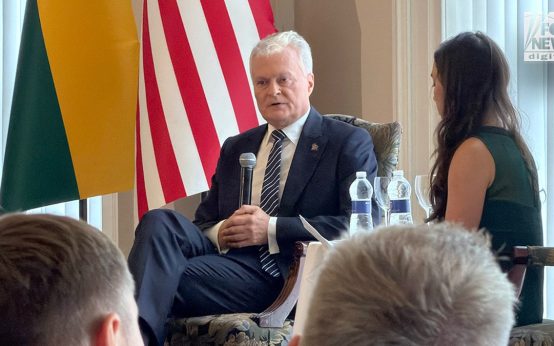 Lithuanian Leader Seeks U.S. Military Commitment Amid Rising Russian Threats
 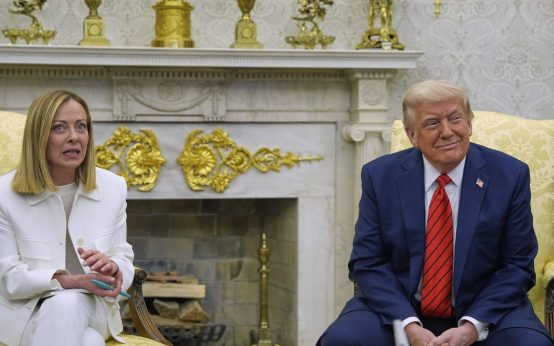 Italian PM Giorgia Meloni Skips UN General Assembly Amid Growing Tensions