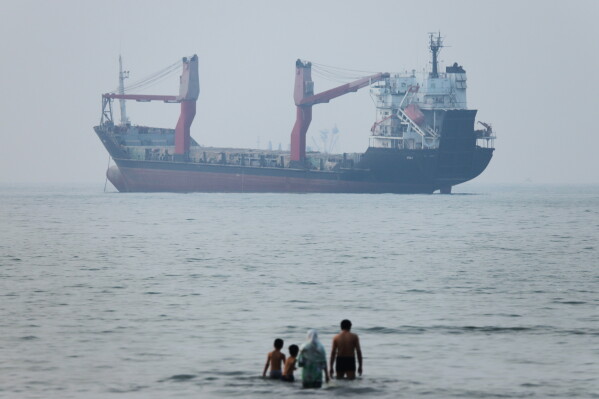
President Donald Trump has indicated the ceasefire with Iran might be over, casting doubt on future negotiations and urging the U.S. to ‘finish the job.’ However, he maintains that new military actions do not signify a return to war. This mixed messaging leaves uncertainty about the future of diplomatic efforts that took weeks to establish.
The ambiguity of Trump’s rhetoric could be an attempt to compel Iran to cease attacks on oil and gas ships in the Strait of Hormuz and comply with U.S. demands on nuclear matters. Regardless of intent, mediators are working hard to preserve the interim agreement, as concerns mount over the potential for rising tensions, which might impact Republican prospects in the upcoming midterm elections.
Warnings of more U.S. strikes came from Trump, followed shortly by military announcements of operations aimed at degrading Iran’s capabilities in the strait. Trump insists that ‘anything that happens is going to happen very fast,’ ruling out prolonged engagements.
A regional intelligence official disclosed that the conflict has entered a critical phase as distrust grows between the nations. High-level talks are ongoing to rescue the ceasefire, involving Pakistan, Qatar, and Egypt’s leadership, alongside Turkey and Saudi Arabia’s participation.
Iran accuses the U.S. of failing in its ceasefire commitments, including regarding the strait and the ceasefire in Lebanon. Former military analyst Michael Eisenstadt stresses that negotiations continue, despite Trump’s claims that the ceasefire is over, underlining these as negotiation tactics.
Iran’s lead negotiator Mohammad Bagher Qalibaf criticized alleged continuous violations by the Trump administration, stating ‘the era of bullying is over.’ Pakistan advocates for dialogue, emphasizing mutual engagement as the only path to regional peace.
Trump has dismissed Iranian leaders as ‘scum,’ contrasting with prior comments calling them ‘rational.’ Vice President JD Vance noted Iran’s behavior turned aggressive, warranting new U.S. strikes if provocations continue.
Trump previously intensified threats before reaching prior ceasefire agreements, suggesting bombings of Iranian infrastructure. These tactics might be aimed at negotiating strength but risk escalating tensions, affecting oil prices and financial markets.
Ali Vaez from the International Crisis Group warns that this strategy could lead to unintended war escalation, though Iran remains incentivized to return to talks for promised economic relief.
Trump has mixed views on gas prices, indicating their impact on economic decisions related to Iran. However, upcoming elections complicate the situation further, as fluctuating oil prices impact voter sentiment.
Trump has reiterated threats to target Iran’s civilian infrastructure and seize oil sites, signaling determination amidst political uncertainty related to ongoing midterm election strategies.
Amiri contributed from New York, Magdy from Cairo, with input from Associated Press writer Munir Ahmed in Islamabad, Pakistan.
 Far-Left Groups Allegedly Organize Protests in Austin
 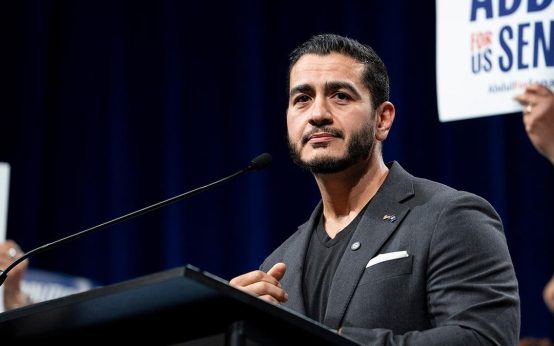 Michigan Senate Nominee Abdul El-Sayed Criticized for Remarks on Reproductive Rights
  Alan Ritchson Faces Backlash Over Political Remarks
 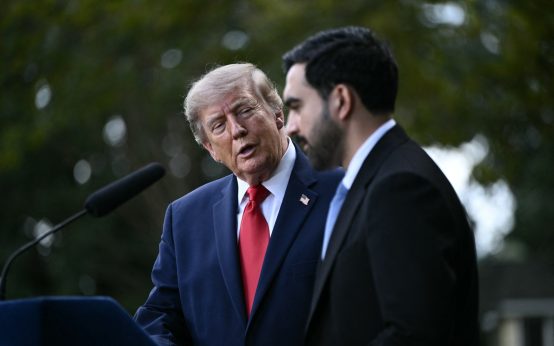 Poll Reveals Voter Preferences Between Socialist Democrats and MAGA Republicans
  Challenges of Electing a Female President: Insights from ‘The View’
  Himalayan Pilgrimage: A Couple’s Narrow Escape and Lingering Questions