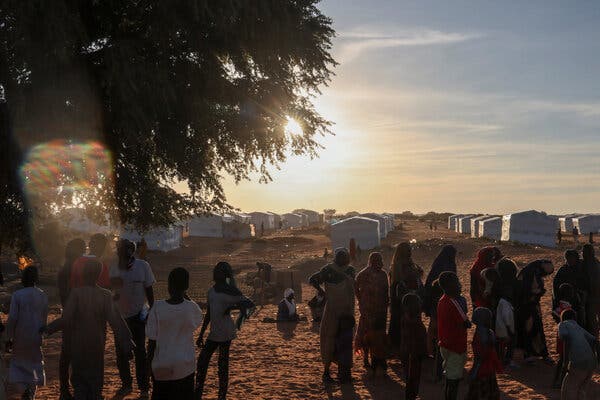
The world urgently needs to acknowledge the severe humanitarian crisis unfolding in Sudan. This crisis occurs five months after the United Nations alerted the global community about acts of genocide in the country.
Mounting Threats
The Rapid Support Forces (RSF), a rebel group notorious for past atrocities, have nearly encircled El Obeid, a city of strategic importance. Approximately 600,000 residents face severe shortages of essential needs like food, water, and medical supplies. The RSF has already resorted to deadly drone strikes against civilians.
The signs from El Obeid are clear and unmistakable: another human rights catastrophe is unfolding in Sudan.– Volker Türk, U.N. High Commissioner for Human Rights
Why Sudan is Overlooked
Sudan’s ongoing conflict often receives less attention than other global conflicts, despite its grave human cost. This region doesn’t easily fit into broader global political narratives, unlike the wars in Ukraine and the Middle East. Additionally, the African continent is frequently neglected due to racial and economic biases.
The lethality of the conflict is undeniable. Independent monitors estimate the death toll between 150,000 and 400,000. Millions are displaced, with many seeking refuge in neighboring countries. The protracted conflict threatens to destabilize the entire region further.
Call for International Action
The global community needs to intensify efforts to stop the violence and prevent mass displacement in Sudan. The impending crisis in El Obeid should spur immediate action. The United States holds significant influence and can encourage regional powers to intervene. Countries like Egypt, Saudi Arabia, and the United Arab Emirates can be crucial in restarting peace talks geared at achieving a ceasefire.
The Trump administration must renew its commitment to pursuing peace in Sudan to safeguard civilians from threats such as sexual assault, torture, and death.
Complex Historical Context
Achieving peace in Sudan is challenging, given its history since gaining independence from Britain and Egypt in 1956. The nation has endured coups, prolonged civil wars, and the Darfur genocide in the early 2000s. The main divide in Sudan is ethnic rather than religious, with an Arab majority and several non-Arab Black ethnic groups.
The latest conflict arose after Omar al-Bashir’s regime eliminated subsidies for fuel and wheat, stirring widespread protests in 2018. A temporary alliance between the military and private militias overthrew the government in 2019, but eventually led to a civil war as they turned against each other. Both factions aim to control natural resources like gold, oil, and agricultural products, often committing atrocities in the process.
Key Players
On one side is the Sudanese Armed Forces, led by Gen. Abdel Fattah al-Burhan, recognized by many as the head of state. This group has ties to the Muslim Brotherhood and receives aid from Iran and Egypt. The United Nations has accused them of war crimes, including torture, sexual violence, and chemical weapon use.
 Former CEO Sentenced for Bank Fraud and Sanctions Evasion
 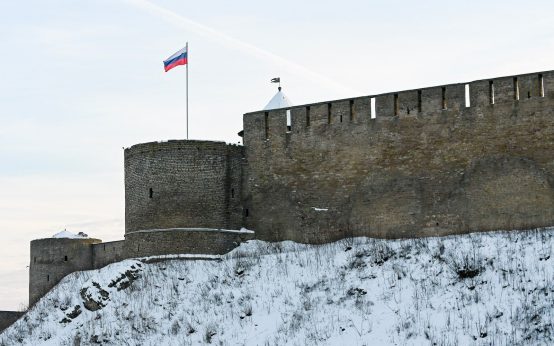 Russia’s Potential Incursion Into Estonia: NATO’s Resilience Under Scrutiny
  Senators Urge Action to Free Imprisoned Journalist in Iran
 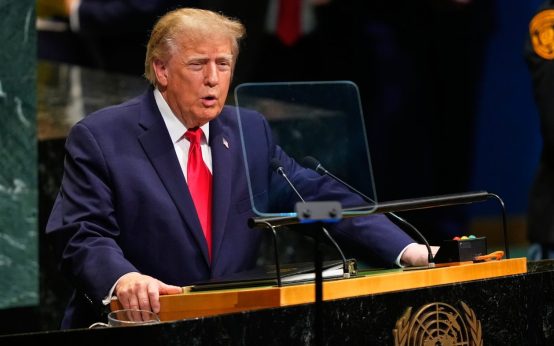 Trump’s Address at UNGA and Key Political Developments
  Irish Athletes Urge Boycott Against Israel
  U.S.-China Summit and the Taiwan Dilemma