The World Cup has led to an economic boom, offering a significant boost to host cities. Brian Kilmeade presents data showing record viewership and economic surges. Alan Rothenberg, founder of Major League Soccer, highlights the tournament’s success and the rise of young soccer talent in the United States. Rothenberg believes that this momentum will inspire a new generation of players, strengthening the sport’s growth and competitive future in the US.
Despite concerns and complaints about the 2026 FIFA World Cup from some European fans and sportswriters, this year’s tournament proved highly successful. The group stage alone set an attendance record, with fans from across the globe traveling to the US. Local and neutral fans spent large amounts on tickets to witness top-level international soccer.
Viewership was massive, with the US men’s national team breaking records for most-watched English-language soccer broadcasts during their loss to Belgium. The USA-Belgium match became the most-watched soccer telecast in US history, showcasing staggering viewership numbers.
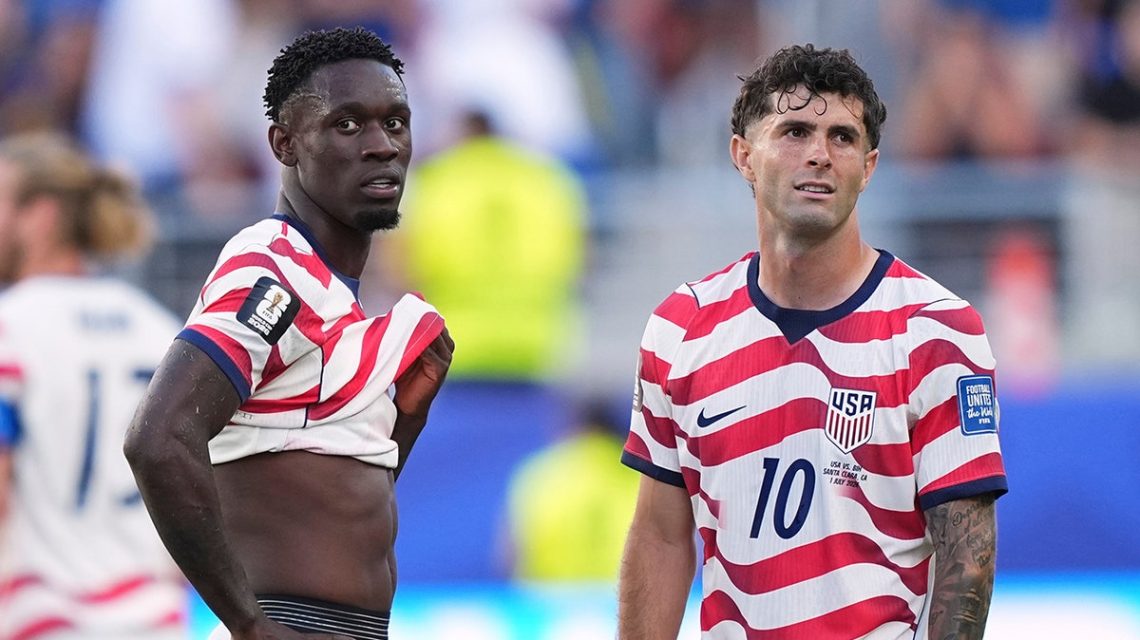
United States’ players Folarin Balogun and Christian Pulisic were noted during a World Cup match against Bosnia in Santa Clara, California. Balogun received a red card, highlighting some of the tournament’s challenges.
The 2026 World Cup saw a format change, expanding to 48 teams from the traditional 32. While skeptics existed, it was largely seen as a success. The expansion allowed smaller countries, like Cape Verde, to become fan favorites, advancing past the first round and challenging major teams such as Argentina.
FIFA, known for financial optimization, seeks to exploit this success. President Gianni Infantino mentioned that discussions about future expansion are underway. ‘Every nation should dream of participating in the World Cup,’ he stated, emphasizing the importance of global inclusion.
However, a 64-team format raises issues. The qualifying process might lose significance, as big countries would likely qualify easily. Moreover, not many countries have enough venues to host such an extensive tournament. The United States, though, stands out with over 75 stadiums that can seat 60,000 or more, offering logistical and economic advantages.
While making the US the permanent World Cup site could face opposition, the 2026 World Cup demonstrated the US’s capability and enthusiasm as a host. Despite possible missed opportunities for the US men’s national team, the country’s hosting success might mitigate disappointment.
 Giants’ Optimism Wanes as QB Jaxson Dart Suffers Knee Injury
  WNBA 2026 Playoffs: Teams, Scenarios, and Viewing Information
  Lane Kiffin’s Emotions and Rams’ Strategic Adjustments
 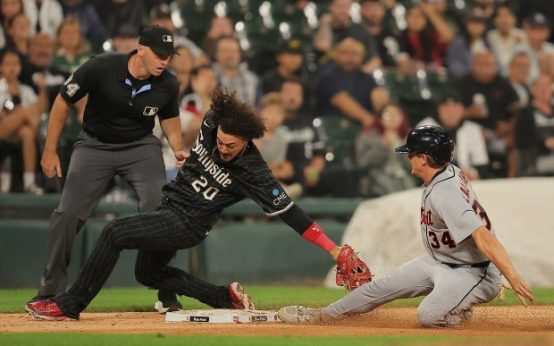 Chicago White Sox Face Crucial Stretch at Season’s End
  Philadelphia Eagles Triumph Over Tennessee Titans, Concerns Arise for Offensive Performance
  Final Week Tensions Rise for Blue Jays and Orioles in Baseball Season