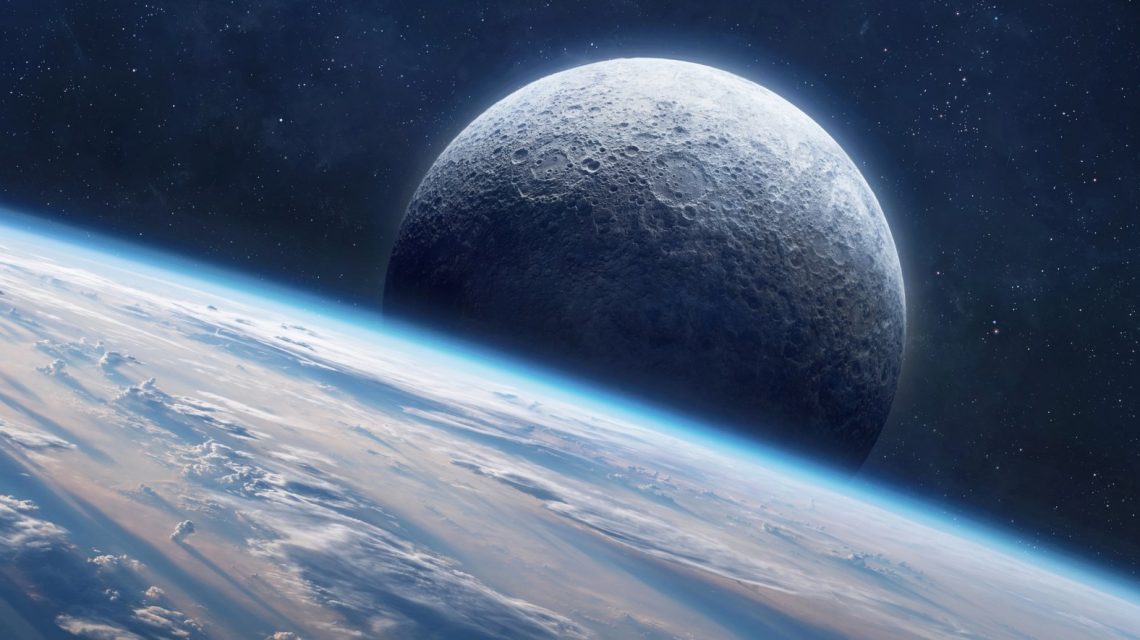
The Prospect of a Lunar Base
NASA plans to establish a long-term base on the moon near the lunar South Pole, potentially reshaping how future residents experience life. Experts believe living on the moon could significantly impact mental health, offering opportunities for personal growth while posing risks related to isolation and separation from Earth.
This year, NASA accelerated its Moon Base Program. In May, the agency outlined a three-phase strategy culminating in a sustained human presence on the lunar surface by 2032. The final phase aims to make living and working on the moon a reality.
Psychological Demands of Spaceflight
NASA’s research indicates the psychological demands of spaceflight are serious. Isolation and confinement can impact cognitive and behavioral functioning adversely. The ISS uses behavioral health countermeasures to mitigate such risks, but future missions beyond low-Earth orbit may face greater challenges due to limited traditional support systems.
A NASA-led study on astronauts during six-month ISS missions revealed stable cognitive performance, though periods of slower processing speed, attention, and working memory were noted.
Risks of Isolation
Experts emphasize that the moon’s environment may impact mental health. Dr. Dave Rabin, psychiatrist and neuroscientist, notes that prolonged isolation could elevate insomnia, anxiety, depression, irritability, and cognitive difficulties.
According to Rabin, space can be psychologically brutal, with extended isolation causing hallucinations, sleep disruption, and emotional distress. He warns that awe without belonging can lead to existential vertigo and stresses the importance of environmental signals reflecting connection to the Earth.
Emotional Impact of Reduced Gravity
Research is examining how reduced gravity on the moon affects emotional well-being. Rabin explains that gravity influences balance, posture, blood flow, sleep, movement, and spatial orientation. Despite being weaker on the moon, it may indirectly affect cognition and mood through changes in these areas.
Matt Grammer, an LPCC-S and founder of Therapy Training, echoes concerns about loss of environmental cues which help regulate mood and identity, raising the risk of anxiety, depression, irritability, and decision-making difficulties. Unlike ISS astronauts, lunar residents would need to build a functioning society.
Defining a New Human Identity
Dr. Sam Zand, psychiatrist and CEO of Anywhere Clinic, asserts that maintaining connection among lunar pioneers will be challenging, citing parallels with polar expeditions and past space missions. He argues that future lunar habitats need to recreate Earth-like aspects to foster connection and normalcy.
Human adaptation comes with profound changes in identity. Rabin predicts that lunar life would forge a new human identity, biologically human but culturally distant from Earth. He posits the central question: will lunar settlers feel like pioneers expanding human possibility or exiles from their living world?
 The Discovery of Incendiamoeba cascadensis: A Fire Amoeba
  Archaeological Discovery in Germany: Largest Hoard of Roman Coins Found
  Hurricane Formation and Strengthening
  Ancient Mastodon Tooth Unearthed in California Creek
  The Tiny World of the Pumpkin Toadlet
  Chimps and Self-Medication: Insights from Gombe Stream