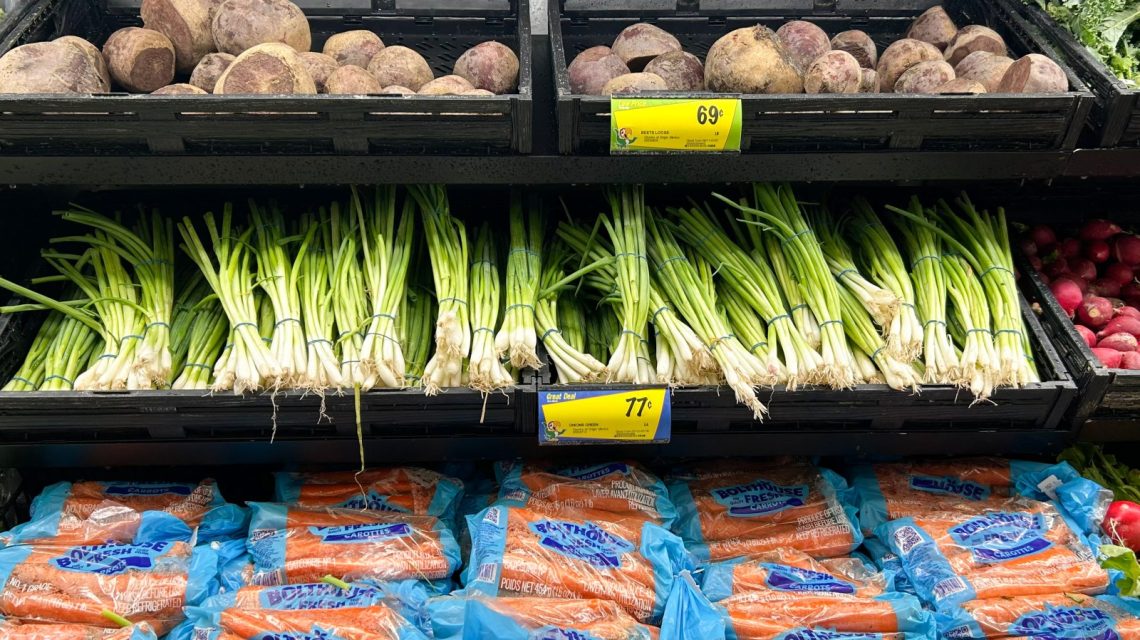
The Michigan Department of Health & Human Services (MDHHS) has provided guidance for handling certain foods to reduce the risk of Cyclosporiasis, a parasitic illness causing severe diarrhea and other symptoms. The state has experienced a significant increase in cases, with 2,640 reported by July 13, compared to the usual 50 annual infections.
Cooking Recommendations Amid Outbreak
The MDHHS has recommended that certain foods be cooked to ensure safety. These include leafy greens, cilantro, basil, green onions, snow peas, and raspberries. Thorough washing is also advised. Raspberries, due to their difficult-to-clean bumpy surface, are suggested to be cooked into jams or pies. Frozen raspberries can be a safer option due to their cleaner surface.
Preparation tips include purchasing lettuce whole instead of in bags, discarding two to three layers of outer leaves, and washing inner leaves carefully. For green onions, trimming at the root and removing the outer layer is advised.
Expert Insights
Ynés Ortega from the University of Georgia’s Department of Food Science and Technology highlighted previous infections linked to berries and vegetables such as herbs and leafy greens. Ortega advises washing fresh produce thoroughly and avoiding cross-contamination between uncooked and cooked foods.
No specific food has been conclusively linked to the current outbreak yet. The CDC has been contacted for comments outside regular hours.
Current Statistics on Cyclosporiasis
The CDC reported that as of July 10, over 843 confirmed cases have been noted nationally, with more than 1,500 cases pending further analysis. The reported numbers across several states are:
- Michigan: 2,500+
- New York: 394 cases
- Ohio: 364 cases
- North Carolina: 205 cases
- Illinois: 141 cases
- Texas: 48 cases
The CDC acknowledges discrepancies between state-level and national data and is working to align these figures as more cases are confirmed.
Understanding Cyclosporiasis Symptoms
Symptoms typically appear about a week after consuming contaminated food or water, though the period can range from two days to two weeks. Common symptoms include:
- Watery and frequent diarrhea
- Severe stomach cramps and bloating
- Nausea and loss of appetite
- Prolonged fatigue and weight loss
Health authorities advise individuals with prolonged symptoms to seek medical attention and consider specific testing for Cyclosporiasis.
 Legal Challenges Arise Over GLP-1 Receptor Agonists and Vision Loss Risks
  States Move to Restrict Tianeptine Amid Growing Concerns
  Potential Changes in Medicare Reimbursement for Lab Tests
  Understanding and Addressing the Complexity of Suicide
  Recall of Meat Products from Star Meat Delivery Inc.
  Questions Arise After Presley Gerber’s Death in Rehab