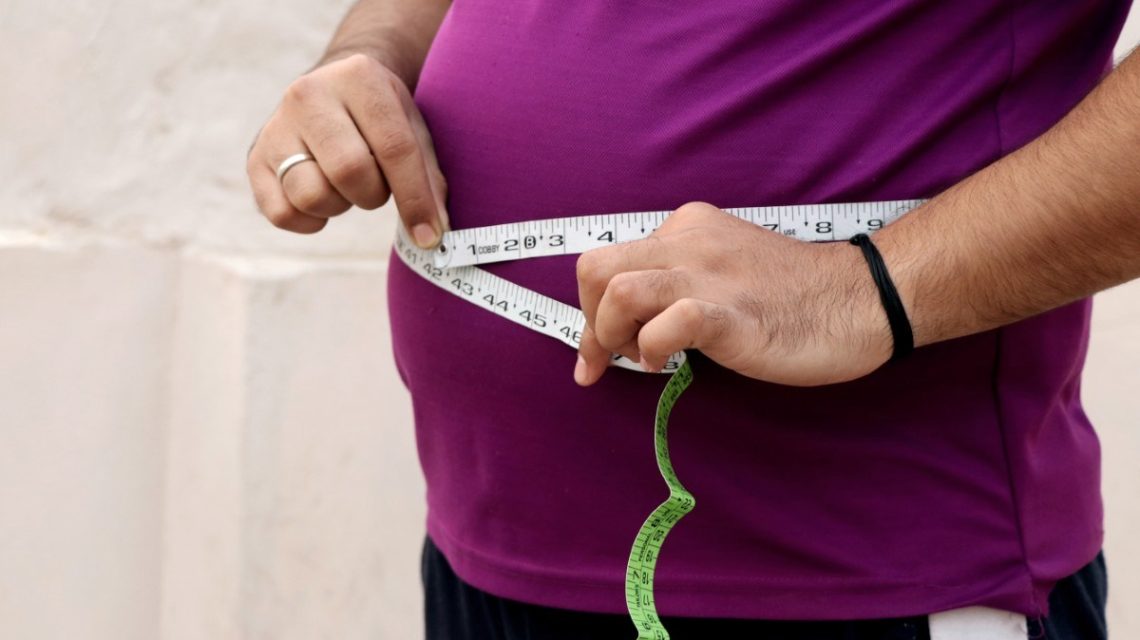
Previous studies have suggested that obesity impacts men and women differently. Recent research conducted by scientists at the University of California, Riverside, may offer new insights into why this occurs. Their study, involving mice, points to a potential cause: specific immune cells known as eosinophils behave differently in males and females.
This discovery challenges prevailing beliefs that eosinophils, white blood cells involved in combating parasites, bacteria, and allergens, function uniformly across sexes. The revelation could pave the way for more precise treatment options targeting these differences.
Understanding Eosinophil Function
According to Meera Nair, a professor of biomedical sciences at the University of California Riverside, biological sex significantly influences immune cell function. Therefore, male and female immune systems should not be treated as identical.
Nair emphasized the adaptability of immune cells like eosinophils. Their gene expression and functionality can change in response to the tissue environment, biological sex, and external factors such as infections.
The study, published in November in PNAS Nexus, highlights the role of immune cells within fat tissue. Understanding their behavior offers opportunities to target and reprogram them for improved metabolic health outcomes.
Differences in Obesity Between the Sexes
Previous research has shown that while obesity is more prevalent in women, men are more prone to visceral fat accumulation. This type of fat, located deep in the abdomen, increases the risk of cardiovascular disease and type 2 diabetes.
Factors explaining these differences include the role of estrogen in women’s fat storage, gut microbiome differences, and sociocultural aspects like body image perceptions and healthcare-seeking habits.
Study Findings
The researchers found six distinct eosinophil clusters in the adipose tissue of mice. Each cluster had slightly varied functions, some potentially protecting against obesity.
Under healthy conditions, these eosinophils ‘calm’ the fat tissue environment, control inflammation, and maintain metabolic balance against diet-induced obesity.
Eosinophils act as cellular caretakers, coordinating other cell types in fat tissue to prevent metabolic and cardiovascular diseases.
The study suggests that ‘quality’ of eosinophils matters as much as their ‘quantity.’ Female mice had a higher number of effective eosinophils working alongside macrophages to sustain a healthy metabolism. In contrast, male mice displayed a cluster associated with a high-fat diet, leading to pro-inflammatory behaviors.
As a result, female mice maintained an immune environment that shielded them from weight-related inflammation and metabolic disease; male mice developed inflammatory eosinophil populations, causing inflammation during obesity.
Implications of the Findings
Nair stated that targeting cellular reprogramming, rather than increasing eosinophil numbers, could be a new therapeutic strategy. This research highlights the importance of sex-specific medicine.
Treatments could focus on changing the genetic programming of inflammatory eosinophils to mimic the protective eosinophils found in females.
Though these findings are from mice and require validation in humans, previous studies have shown a link between eosinophils in human fat tissue and obesity risk.
Dr. Caroline Apovian, director of the Mass General Brigham Weight Center, acknowledged current understanding that hormonal differences protect women from visceral fat and inflammation until menopause due to estrogen.
Fat tissue, as an endocrine organ, plays a significant role in hormone and immune cell communication affecting the brain, heart, lungs, and liver systemically.
This new study adds evidence to the view that obesity is a disease influenced by hormones secreted by fat tissue and other organs, including the brain.
Reference: Rebecca E Ruggiero-Ruff, Xinru Qiu, Lauren Vance, Yuxin He, Djurdjica Coss, Adam Godzik, Meera G Nair, (2026) Single-cell heterogeneity of adipose eosinophils is shaped by sex and RELMα and linked to macrophage communication networks in obesity, PNAS Nexus.
 Alzheimer’s Gene CASS4 Shows Potential as Therapeutic Target
 Nationwide Shortage of Hormone Therapy Expands
 Enhancing Fitness with Gamification
 USDA Issues Alert on Betterballen Foods for Undeclared Allergens
 California Voters Approve Proposition 38 for Immunology Research
 Ohio State University Suspends Fraternity Following Concerning Incident Near Campus