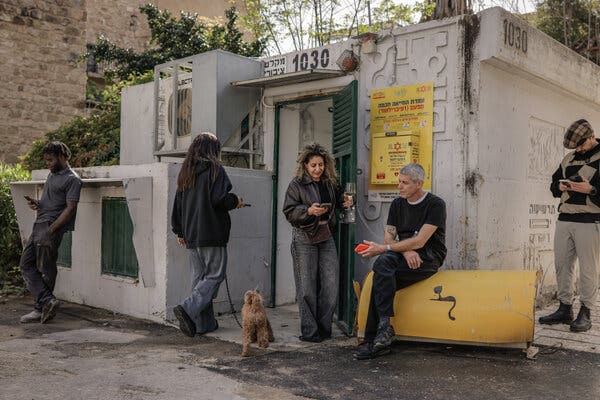
In recent weeks, Israelis have been confronting the unpredictability and turbulence surrounding the intermittent conflict with Iran. As the United States and Iran alternate between negotiations and military maneuvers in the Persian Gulf, Israel remains on the periphery, facing a state of uncertainty.
Civilians in Israel fear the possibility of being overseas during a sudden escalation or returning to shelters if hostilities reignite. After a cease-fire with Iran, Israel’s military, already engaged in Lebanon and Gaza, struggles with planning due to pervasive uncertainty. This ongoing tension, without any clear resolution in sight, is increasingly unsettling for the nation. Recent polls indicate that Israelis feel less secure now compared to before the joint U.S.-Israeli operation against Iran earlier this year.
Despite these concerns, many Israelis might view this uncertain peace as preferable to the alternatives. A significant challenge for Israel is the lack of alignment between its objectives and those of the Trump administration. President Trump’s foremost aim is to reopen the Strait of Hormuz for commercial traffic without obstruction from Iran. Even amidst aggressive rhetoric, Trump insists that current U.S. actions are meant to bring Iran back to negotiations rather than escalate the situation.
For Israel, the prospect of a U.S.-Iran agreement is worrisome due to the implications and gaps in the memorandum of understanding reached by the two opponents last month.
Prime Minister Netanyahu and President Trump had previously met, reflecting the close but complex relationship between their nations.
 Venezuelan Leadership at the United Nations
  Ontario Synagogue Shooting During Yom Kippur Leaves One Officer and Shooter Injured
  Pope Leo XIV’s Upcoming Visit to Latin America: An Overview
 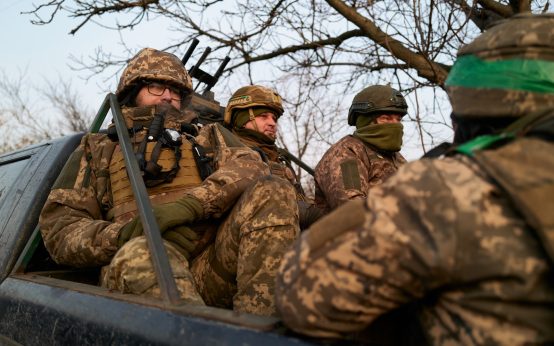 Ukraine Deploys Ground Robots in ‘Operation Vivaldi’
  Understanding AI’s Impact Compared to Historical Threats
 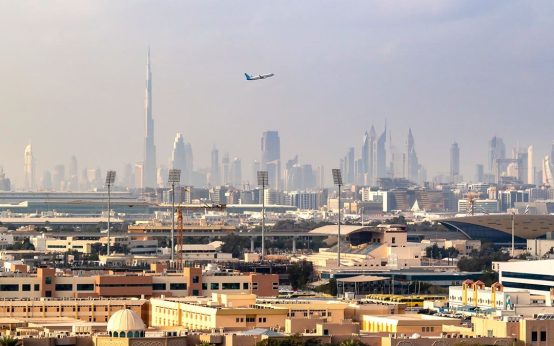 State Department Alerts on Middle East Travel Amid Rising Tensions