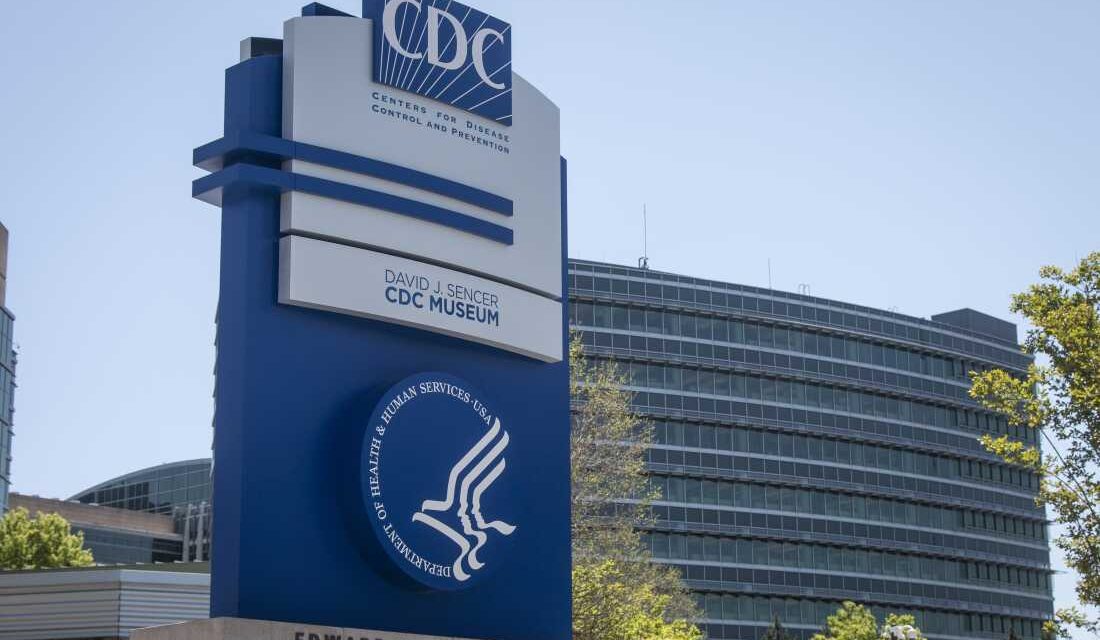
The Centers for Disease Control and Prevention (CDC) in Atlanta is investigating an increase in cyclosporiasis cases affecting 34 states. Reports indicate 1,645 confirmed cases as of Tuesday, though the actual number may be higher, as not all cases are reported to the CDC. Symptoms include diarrhea, nausea, and fatigue. The illness results from the parasite Cyclospora, which is linked to contaminated food or water.
As of Thursday, nationwide hospitalizations number 141, with no deaths reported. Several case clusters, including a multistate outbreak in Michigan, Ohio, West Virginia, and Kentucky, are under examination. Prior outbreaks have involved fresh produce, and a 2018 incident involved McDonald’s salads. In 2013, imported lettuce sickened 400 people. Gwen Biggerstaff from the CDC emphasized that cyclosporiasis does not spread through person-to-person contact, but through food or water consumption. Reports indicate a surge in cases over the past two weeks, exceeding last year’s numbers, which were just 249 by the same time.
Where Are Infections Occurring?
States from California to Florida have reported cases since May’s start. The Midwest and Northeast, including Michigan and New York, face significant impact. Ohio recorded 177 cases by July 2, most in June. Ohio Health Director Dr. Bruce Vanderhoff urges serious attention, noting that cyclosporiasis can cause dehydration warranting emergency care. Affected individuals range from ages 5 to 88. The total case count is expected to grow due to delayed reporting.
What Is Causing the Outbreak?
The source remains unidentified. The CDC conducts interviews with the sick to trace infection origins, though the varied symptom onset (two days to two weeks) poses challenges. Historical outbreaks involved raspberries, basil, cilantro, snow peas, and lettuce, as per the Food and Drug Administration.
Prevention Methods
Cooking produce helps avoid infections by killing Cyclospora when heated to 158°F or above. Wash all fresh produce, even prewashed items, under running water before consuming raw or cooking. Observe food safety rules, like washing hands with soap and water before and after handling produce. Authorities still don’t identify the exact source, hence washing produce is imperative.
What To Do If You Show Symptoms
Seek medical care if symptoms emerge, particularly prolonged diarrhea, fatigue, or appetite loss. Dr. Kawsar Talaat from Johns Hopkins Hospital highlights the varying presentation of cyclosporiasis. Persistent or recurring diarrhea signals potential infection, necessitating medical consultation. Accurate detection requires specific stool testing, as ordinary diarrhea tests may not work. Multiple samples may be necessary due to the organism’s life cycle.
Treatment involves a 7-10 day course of trimethoprim/sulfamethoxazole (Bactrim or Septra). Healthy adults often experience a self-limited infection, but older, younger, or immunocompromised individuals should seek prompt testing and treatment to prevent hospitalization.
NPR’s Carmel Wroth contributed to this report.
 VA Enhances Suicide Prevention Efforts with $112 Million in Grants
  State Funding Urgency for Psychiatric Hospitals
  State Needs to Increase Funding for Psychiatric Hospitals
  Trump Administration Issues Refunds to ACA Enrollees
  Study Links Ultra-Processed Foods to Health Risks
  Psychiatrists Rethink Diagnoses with Social Media Trends