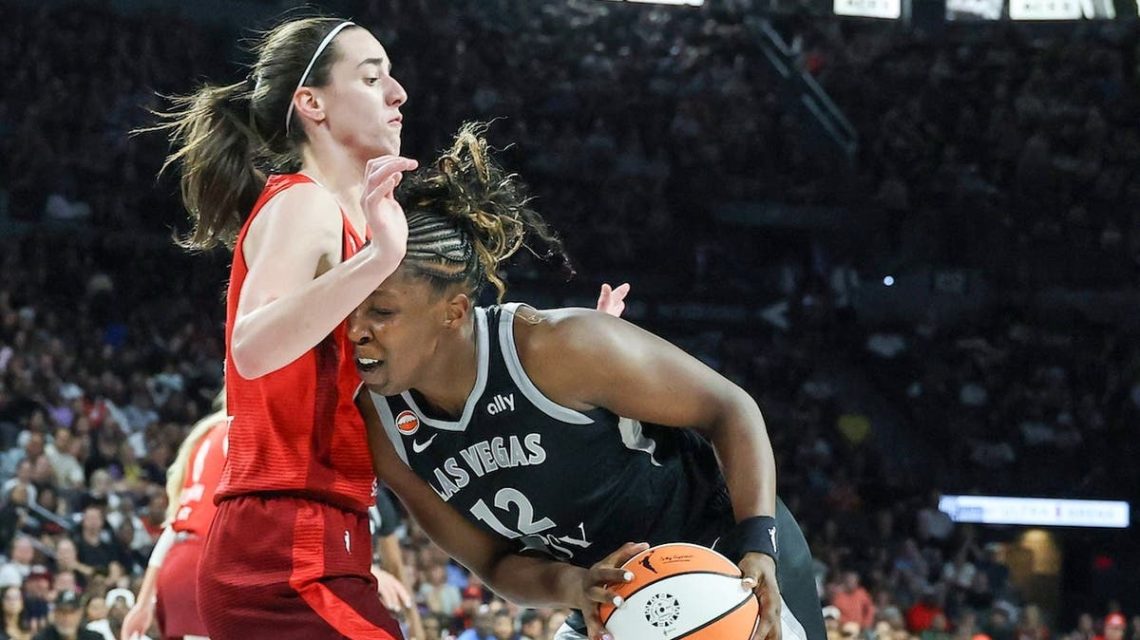
On Tuesday, Hilton Grand Vacations terminated an employee accused of sending a racist message to Las Vegas Aces guard Chelsea Gray via social media. This came after Gray shared a screenshot of the message on Instagram, commenting on how people often claim athletes fabricate such experiences and telling them to ‘shut up and dribble.’
The issue of online hate affects many public figures, not just WNBA players. Caitlin Clark’s era has shown that the narrative claiming WNBA players are uniquely targeted by online trolls is misleading. Public figures in general often face harassment or threats online, and WNBA players are not exempt from this trend. However, it is essential how they respond to such negativity.
Sportswriter Jason Whitlock mentioned receiving daily racist attacks via social media but chooses to block the instigators and move forward without advocating for their firing. The same extent of derogatory comments can be found when searching for other figures like Taylor Swift, Patrick Mahomes, and more. Despite this, the manner in which public figures handle online harassment varies significantly.
Many public figures recognize that trolls seek attention. However, several WNBA players, including Chelsea Gray, Alyssa Thomas, and Angel Reese, draw attention to the hate they receive. Thomas has claimed that WNBA commissioner Cathy Engelbert fails to adequately protect players, although specific solutions remain unspecified. Calling for Engelbert to control social media is seen as impractical.
Nonetheless, when credible threats are perceived, they should be addressed seriously. The instance involving Caitlin Clark, whose stalker was apprehended and later pleaded guilty, demonstrates the appropriate channels for handling such threats. Instead of focusing on proper actions, some WNBA players tend to emphasize their victimization.
Public figures like ESPN analyst Mina Kimes have also highlighted negative online interactions. Despite facing unkind remarks, Kimes’ high-profile role as an ESPN personality who publicly engages in contentious topics suggests her grievances with harsh comments might not always constitute victimhood.
While stepping away from visibility is an option, it’s one we doubt WNBA players will pursue. If companies dismiss employees for offensive online conduct routinely, the workforce could rapidly decrease.
Ultimately, trolls extract power from the attention they receive. Ignoring them strips away their influence. Publicizing their remarks inadvertently validates them. This context shows WNBA players facing challenges in handling fame’s costs while seeking its benefits.
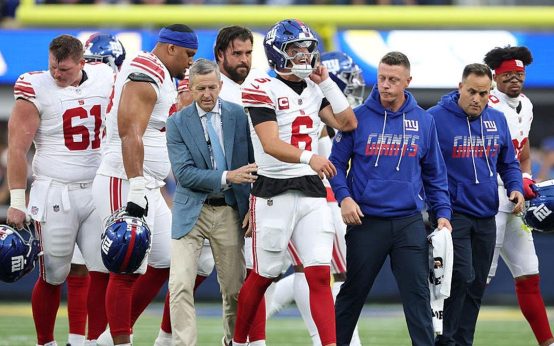 Giants’ Optimism Wanes as QB Jaxson Dart Suffers Knee Injury
  WNBA 2026 Playoffs: Teams, Scenarios, and Viewing Information
  Lane Kiffin’s Emotions and Rams’ Strategic Adjustments
 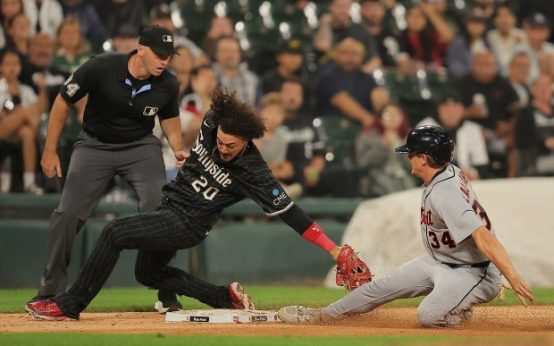 Chicago White Sox Face Crucial Stretch at Season’s End
  Philadelphia Eagles Triumph Over Tennessee Titans, Concerns Arise for Offensive Performance
  Final Week Tensions Rise for Blue Jays and Orioles in Baseball Season