In Arkansas, private schools receive minimal regulation, leading to troubling incidents, such as those involving Mary “Tracy” Morrison. Her private school just outside Jonesboro gained notoriety following a violent ‘group discussion’ she led. In April 2025, Morrison instructed a circle of students to mistreat a 13-year-old boy, who was subsequently assaulted by his peers under her direction. This led to Morrison’s arrest and criminal charges.
The Delta Institute for the Developing Brain, founded by Morrison after Arkansas’s 2024 education policy changes, continued operations despite these serious incidents. The state still allocated public funds to this school through the Education Freedom Account program. Morrison’s lack of formal educational credentials did not bar her from establishing the school. This trend aligns with a rapid increase in the number of private schools in Arkansas. Records show that the number of private schools grew from about 100 in 2023 to around 220, excluding microschools.
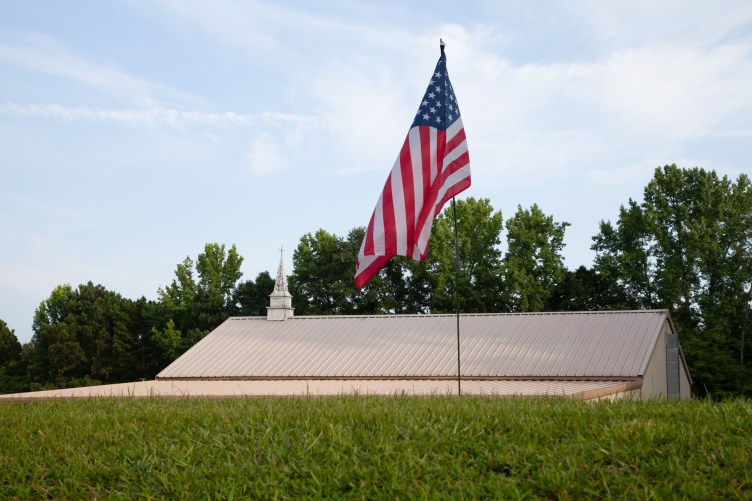
Despite the school’s receipt of public funding, Arkansas exercises little oversight. The state only mandates fire drills, immunization records, and the presence of an American flag for private institutions. Curriculum and operator examinations are not conducted. This situation allowed Morrison, whose educational credentials were overstated, to operate without scrutiny, aggravating the risk of unqualified individuals running educational establishments.
Even after Morrison’s arrest, the Education Department’s oversight remained limited. The department has powers related to financial audits and assessments but refrains from evaluating the educational quality of private schools or ensuring student safety. Consequently, several complaints regarding student welfare remain unaddressed.
This hands-off approach sparked controversy among legislators. Senator Bryan King voiced opposition to the LEARNS Act, seeking more accountability given the public expense involved. Despite his efforts, the state maintained that parents bear the responsibility of assessing their child’s safety and educational progress.
Throughout the EFA program’s lifespan, Arkansas has only temporarily withdrawn funding from two schools, including the Delta Institute. After an incident in April 2025, when a mother reported her son’s mistreatment, no thorough investigation occurred. Funding resumed two days after suspension, with assurances of ‘appropriate safeguards’ being cited as a reason.
Despite parents and community members raising issues with other private and microschools, responses from officials remain negligible. Some families have turned back to public education due to concerns about the quality and safety of private schooling options.
Morrison’s case illustrates the problems with Arkansas’s private educational oversight. Released from jail after serving time for facilitating child abuse, she is legally allowed to own or operate another school, despite her criminal record. This gap in regulation leaves many questioning the efficacy of Arkansas’s current educational policies and practices.
 Protests Emerge Following ICE Shooting of Venezuelan Man in Austin
  Concerns Over Racism and School Funding Inequality Discussed by ‘The View’ Co-Host
 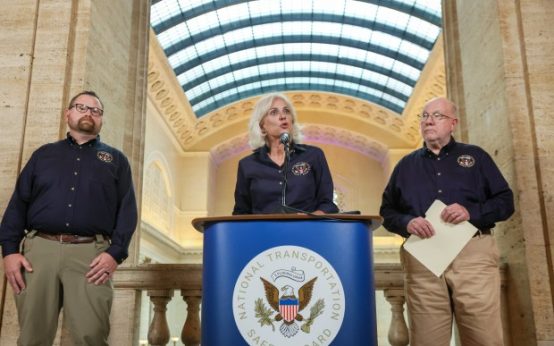 National Railroad Safety Campaign Launches in Chicago
 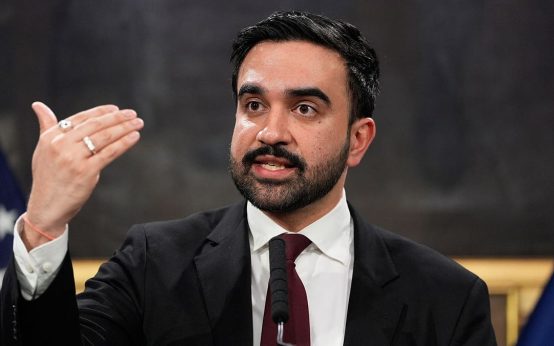 Zohran Mamdani Faces Backlash Over Columbus Day Parade Invitation
 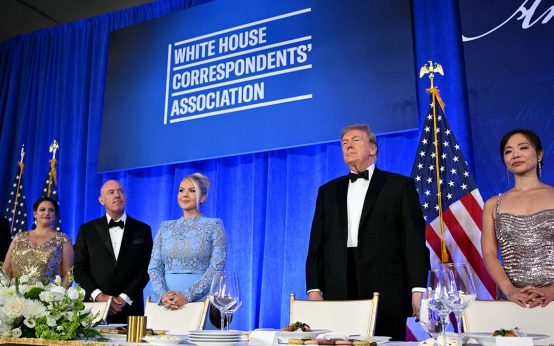 Details Emerge on Trump’s Response During WHCA Dinner Incident
 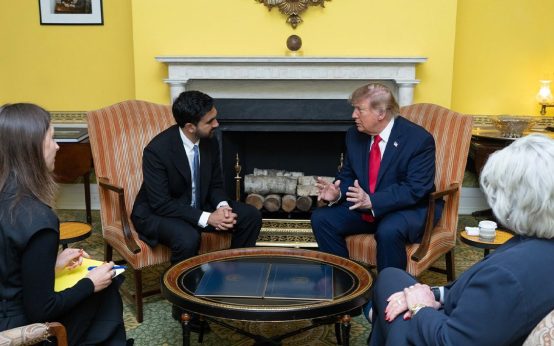 NYC Mayor Mamdani and President Trump Discuss Media Access and Criticism