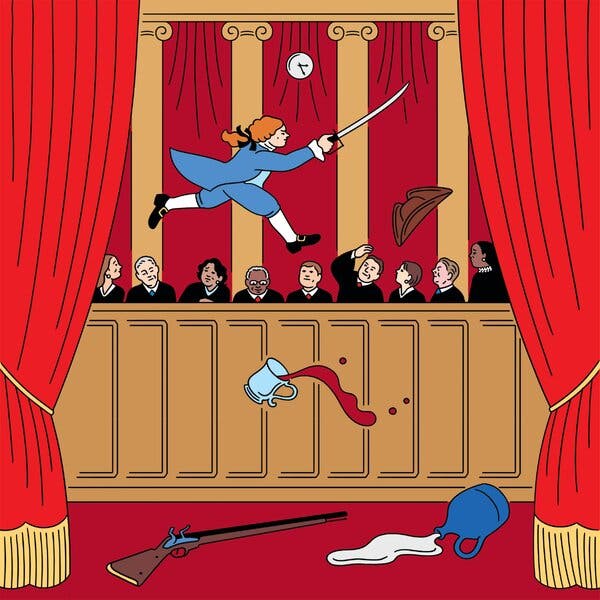
In the latest Supreme Court term, a significant development has been overlooked. The court’s application of originalism, a method for interpreting the Constitution, has plunged into what some perceive as parody.
Originalism emerged during the Reagan era as a tool for conservative judges, aiming to anchor their decisions firmly in historical context. Justice Brett Kavanaugh emphasized the supposed objectivity of history over policy, advocating for historical and traditional reasoning to guide interpretations of constitutional rights, such as the Second Amendment.
History is far less subjective than policy.
The actual objectivity of history, however, warrants scrutiny. A hypothetical scenario illustrates this: a young man in Dallas, with a steady job and parental residence, keeps a gun at home as many Texans do. He also uses marijuana regularly. A federal law, Section 922(g)(3), criminalizes gun ownership by “unlawful users” of controlled substances, with penalties up to 15 years in prison.
When prosecuted, the young man invokes the Second Amendment. Prosecutors must align with “history and tradition” as dictated by Supreme Court precedent to support their case. The Bruen decision from 2022 clarifies that “historical tradition” should not pertain to the era a challenged regulation was enacted, such as 1986 for the law in question. It refers to analogous regulations from the founding of the country or, as some originalists suggest, from the 1868 adoption of the 14th Amendment.
Historically, marijuana wasn’t widely consumed in 1791, nor in 1868. Thus, prosecutors face a challenge. Creative legal minds have resorted to using “habitual drunkard” laws from the 18th and 19th centuries as an analogy. These laws led to the incarceration of visibly inebriated individuals, removing their firearm access.
Is this the best parallel the federal government can suggest to support modern gun law enforcement with its extensive resources?
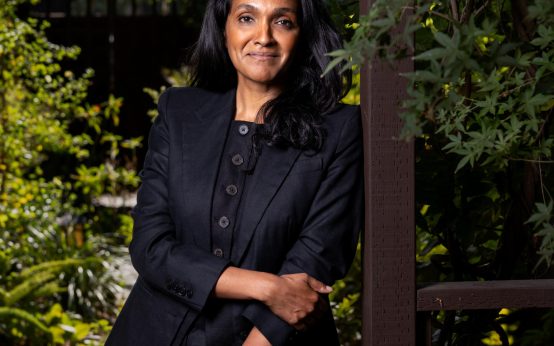 Nithya Raman: A Passion for L.A.
 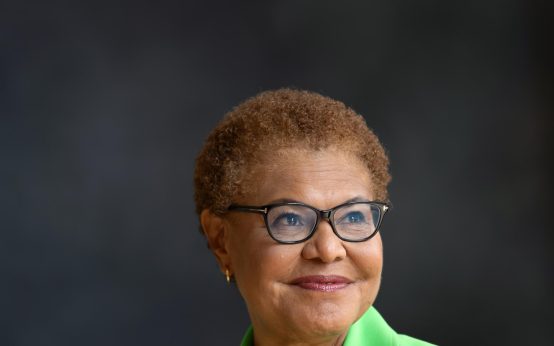 Los Angeles Mayor Karen Bass Discusses Her Tenure, Challenges, and Achievements
 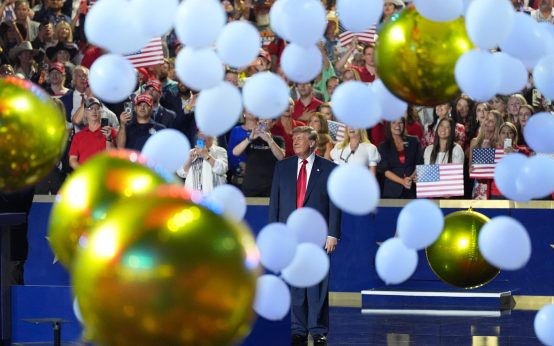 California Republicans Distance Themselves from Trump Ahead of Elections
  President Trump Bans CNN, MS Now, and Politico from White House
  Navigating a Divided House: Strategies for Advancing the Presidential Agenda
  Berlin’s Mayoral Race: A Candidate Inspired by New York Leadership