
Last spring, Alex Hwang and his family made a significant move. They traded their compact home in San Francisco’s costly Bay Area for a spacious six-bedroom house in Pulte’s Cimarron Ridge development. This area, located in the Inland Empire, is a focal point in California’s effort to build affordable housing communities.
During the purchase of their new $700,000 home, an unexpected issue arose. Pulte generally included an insurance policy as part of the sale package. Hwang’s real estate agent assured them coverage wasn’t typically problematic. The development sat on a hillside, seemingly free from the wildfire risks of California’s steep timber and chaparral areas where insurers have become scarce. However, as the closing date approached, Pulte informed Hwang that standard comprehensive home insurance was unavailable. The only policies found excluded the fire coverage required by lenders.
Hwang faced tough choices. He could either buy partial protection from the FAIR Plan, which only covers fires, alongside another policy for other risks, or enter the surplus lines market. This market comprises out-of-state carriers specializing in high-risk insurance without price controls or state backing.
With time pressing, Hwang opted for a surplus line insurance policy. It came with a condition he didn’t like; in the event of a fire, he would have to bear $25,000 in losses himself, five times the usual deductible. He remarked, “I hate the $25,000, but I didn’t really have a whole lot of choice.”
Expanding Coverage Gaps
Hwang’s situation is becoming more common. California’s property insurance gaps are widening, extending from high-risk wildfire areas to new housing developments in low to moderate risk zones. Data analysis by The Times shows that FAIR Plan enrollment, primarily meant for high-risk areas, is climbing in low-risk regions like the Inland Empire.
In 396 ZIP Codes, the FAIR Plan’s additions between March 2025 and June 2026 were mostly in low-risk areas, according to state data. This included 11,000 new homes, adding to 138,000 already under the FAIR Plan due to rejection by the regulated market. The expansion is largely fueled by new suburban development.
The I-215 corridor, critical for affordable housing, sees FAIR Plan policies increasing by 300% to 500% in areas with little wildfire threat. Major insurers are hesitating to cover properties, adding to California homeowners’ burdens in an already high-cost living environment.
Surplus Lines Market Growth
The scarcity of traditional insurance has led to a surge in unregulated policies. Reports show premiums collected by surplus lines companies in California are increasing sharply. Allstate, for instance, halted new policies in California through its regulated branch while amplifying its unregulated line.
California’s insurance body has shown mixed reactions. While encouraging some flexibility for surplus lines, they emphasize expanding comprehensive coverage. Experts believe this stopgap is crucial to supporting home construction. Gilbert Ayon, an insurance broker, views these companies as a vital resource for homeowners.
Affordable Coverage Concerns
Many homebuyers, like Louis in Riverside County, struggle to find required insurance for new homes. They are left with expensive surplus lines options that often lack comprehensive protection. Orion180, a rapidly growing insurer, offers policies with a high $14,000 deductible for fire losses, reflecting these challenges.
The number of traditional policies in California has plummeted to its lowest in 15 years, with significant losses in coverage across many ZIP Codes. For every new policy, approximately two policies have vanished elsewhere. Brokers like Bob Severns are vital in navigating this fractured market, although affordability remains a hurdle.
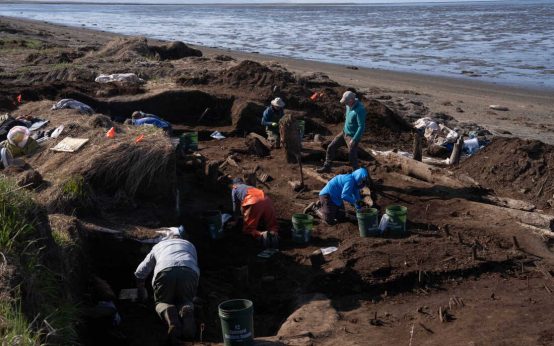 Race Against Time: Preserving Quinhagak’s Archaeological Heritage
 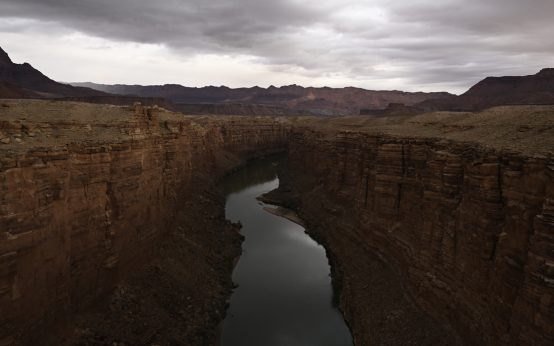 Managing Drying Rivers: The Need for New Approaches
 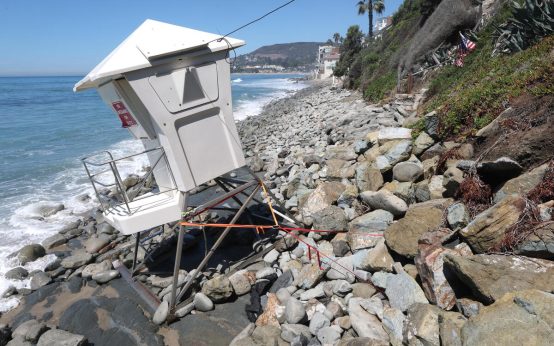 Coastal Damage from Kelvin Waves and Rising Sea Levels in Southern California
  Heat Dome Tightens Over South-Central US with Triple-Digit Temperatures
 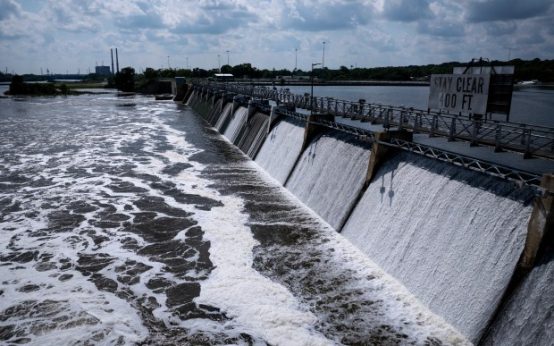 Army Corps Resumes Construction on Brandon Road Lock and Dam Project
  Impact of Halting U.S. Air Quality Monitoring on Global Pollution Levels