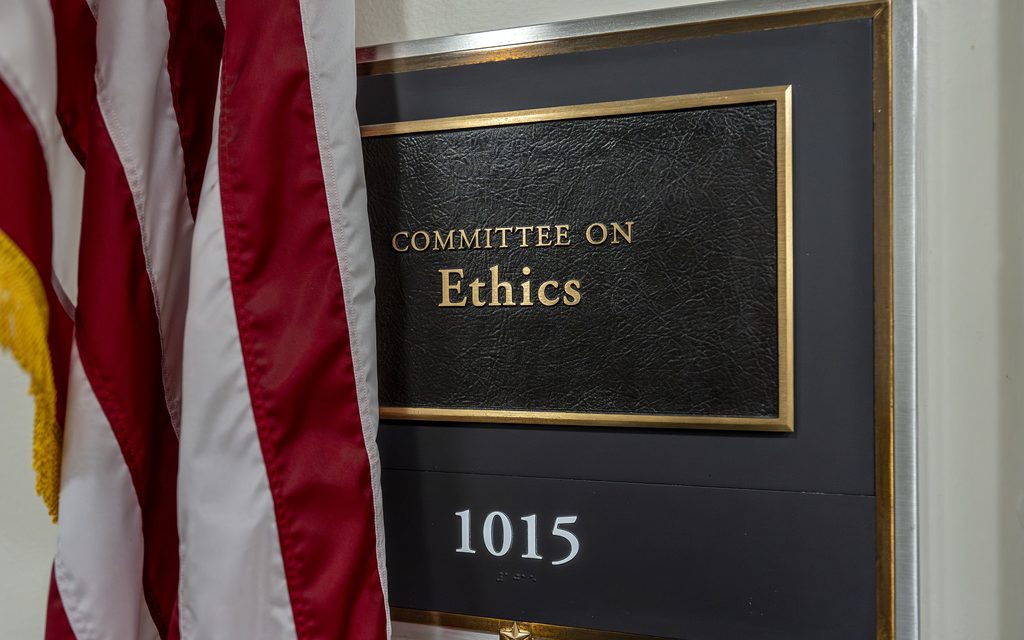
The House Ethics Committee office on Capitol Hill in Washington remains a site of scrutiny. Nearly a decade after the #MeToo movement led to significant resignations, workplace sexual misconduct in Congress continues to be a concern.
The 119th Congress has witnessed scandals reminiscent of past troubles, drawing public attention to congressional ethics.
Recent Resignations and Investigations
Two House members, Rep. Eric Swalwell (D-Calif.) and Rep. Tony Gonzalez (R-Texas), resigned in April. Additionally, Reps. Cory Mills (R-Fla.) and Chuck Edwards (R-N.C.) are under investigation by the House Ethics Committee for alleged misconduct.
Since 2017, 20 investigations into workplace sexual misconduct have occurred. Only 15 have been publicly disclosed.
Public Interest and Political Consequences
While these cases involve a small workforce fraction, the public pays increased attention to misconduct by high-profile figures. Congress exemplifies both admirable and flawed human behaviors, reflecting the diverse moral values of its constituents.
Americans often expect ethical behavior from officials but discover vulnerabilities amid scandals. Recurring issues arise from lapses in member behavior, weak ethical enforcement, or media focus.
Presiding over scandals can impact election outcomes and advocacy for reforms.
Historical Context and Reforms
Past scandals led to significant political changes, such as power shifts in the 1990s under Speaker Newt Gingrich’s leadership. The Congressional Accountability Act emerged from demands for equal legal accountability for Congress members.
Recent action includes a resolution by Rep. Thomas Massie (R-Ky.) directing transparency in misconduct issues. The resolution passed overwhelmingly, indicating bipartisan support for clarity and reform.
Efforts Toward Greater Transparency
The resolution demands a release of lists regarding sexual misconduct claims and settlements. Although some view this as politically motivated, the aim for transparency remains vital.
The Office of Congressional Workplace Rights revealed substantial taxpayer payments for settling claims, intensifying advocacy for accountability.
Continued Advocacy and Potential Impact
Efforts from diverse groups call for statutory changes emphasizing transparency and enforcement. Despite current cases involving both parties, immediate election impacts appear negligible. Scrutiny will persist as reforms evolve.
Reflecting on Future Challenges
Congress faces a continuous challenge to refine ethics processes and uphold standards in both chambers, reflecting ongoing demands for a policy that holds its leaders accountable.
Don Wolfensberger, an experienced congressional staffer, provides insights into the political landscape. His works explore shifting cultures in Congress.
 Collins Battles Trump Administration on NIH Grant Control
  U.S. Appeals Court Supports New Missouri Congressional Map
  GOP Candidates Call to End Iran War Amid Rising Fuel Costs
  Trump Administration Seeks to Influence NIH Grantmaking
  Protests in Austin: Analyzing the Coordination Behind Anti-ICE Demonstrations
  Controversy Surrounds Inglewood Mayor Amid Allegations