
Utility companies have traditionally been granted the authority to seize private property for the construction of transmission lines. This practice has been justified by the necessity of maintaining and expanding infrastructure to meet public needs. However, questions arise when the power delivered by these lines serves exclusively a single data center.
As the artificial intelligence industry grows in the United States, a corresponding surge in data center construction is evident. Pew Research Center’s analysis notes that the country currently houses over 3,000 data centers, with an additional 1,500 in the planning phase.
This rapid expansion raises important legal and ethical considerations regarding eminent domain. Typically, roads and utilities that serve the public interest have been allowed to cross private land. However, with data centers often acting as private entities for corporate gain, the justification for using private property in this manner becomes debatable.
Courts must weigh the public benefit against private gain when determining the legality of property seizures for utility expansion. The dilemma lies in defining what constitutes public use if the benefits are restricted to a few private corporations.
The answer to whether traditional utility easements apply in the case of data centers remains complex. Legal precedents vary, and the evolution of infrastructure needs will continue shaping this discourse.
Given the capacity of data centers to store and process vast amounts of information vital to both public and private sectors, the outcome of these legal discussions may impact the future of how utility easements are applied.
 Beijing’s Tactical Undermining of U.S. Supremacy Through AI
 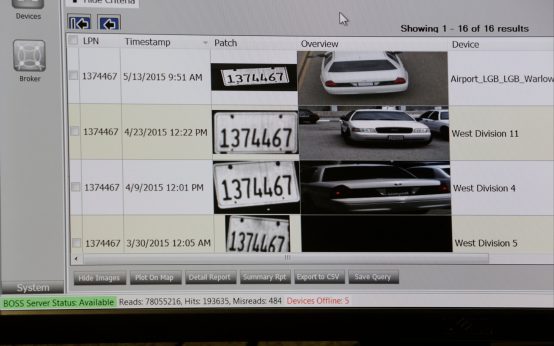 Controversy Surrounds Automated License Plate Readers Across the U.S.
  Trump and Harp Sued Over Truth Social Subscriber Program
  Implications of AI in College Admissions
  Congressional Inaction Amid AI Concerns
  Rising Demand for Data Centers Driven by AI Development