A federal appeals court has released a Jamaican man, Raheem Fulton, from immigration detention due to his life-threatening kidney disease. The U.S. Court of Appeals for the Second Circuit ruled 2-1 in favor of granting him bail while his appeal is considered. Fulton, held by Immigration and Customs Enforcement (ICE), faces a removal order after a burglary conviction.
Concerns about medical care in ICE detention continue to grow. These include issues of treatment access, care continuity, and the handling of medically vulnerable individuals. The Department of Homeland Security (DHS) asserts detainees receive appropriate medical care according to established protocols.
Earlier this year, a deported Costa Rican man in a vegetative state died shortly after returning home. His family claimed inadequate care, but DHS stated he had proper treatment during detention.
Why the Court Ordered Fulton’s Release
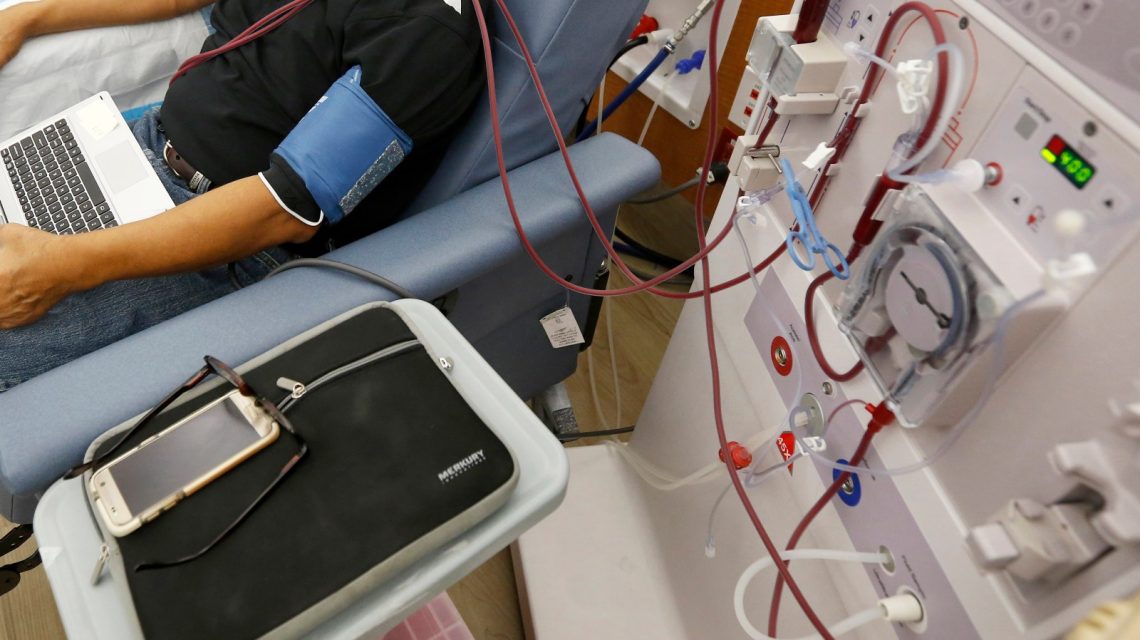
The court found Fulton’s case raised significant legal questions and called for his release due to extraordinary circumstances. His end-stage renal disease requires regular dialysis, and he claims insufficient medical-discharge planning before his planned deportation to Jamaica.
In a previous decision, another panel confirmed Fulton’s substantial claim about inadequate planning related to his health. The court noted a severe risk, including a past life-threatening incident when he missed dialysis in ICE custody. A medical provider had recommended a kidney-transplant evaluation, yet ICE did not facilitate this process.
The court stated the government didn’t argue Fulton was a community danger or flight risk. The majority opinion rejected the notion that Fulton could end detention by accepting deportation, as it would mean certain death without dialysis arrangements.
ICE’s Position on Medical Arrangements
The legal dispute involves government obligations to provide adequate planning for immigrants with severe medical needs. Judge Steven Menashi dissented, saying Fulton hadn’t met release requirements pending appeal.
Menashi argued the government coordinated with Jamaican authorities for post-return dialysis treatment. He emphasized Fulton was getting regular dialysis in U.S. custody and remained detained due to a court-ordered stay.
Despite the dissenting view, the majority saw the risks of Fulton’s condition, combined with unresolved legal questions, as justifying his release during the appeal process. The parties were instructed to agree on release conditions or return to court if necessary.
Impact on Deportation Procedures
This ruling might influence future cases involving deportation of individuals with critical medical needs. It suggests federal courts could favor release for detainees with life-threatening conditions amid unresolved legal challenges.
A favorable decision for Fulton could affect ICE’s responsibilities in ensuring medical care continuity before deporting seriously ill immigrants.
 Managing Distress and Discomfort Effectively
  Trump Administration Seeks to Influence NIH Grantmaking
  Addressing the Complex Issue of Suicide and Its Prevention
  Quality of Sleep Linked to Risk Reduction in Various Diseases
  Exploring Diets and Their Potential to Reduce Alzheimer’s Risk
  Dengue Fever Death in Florida and the Rising Cases Across the U.S.