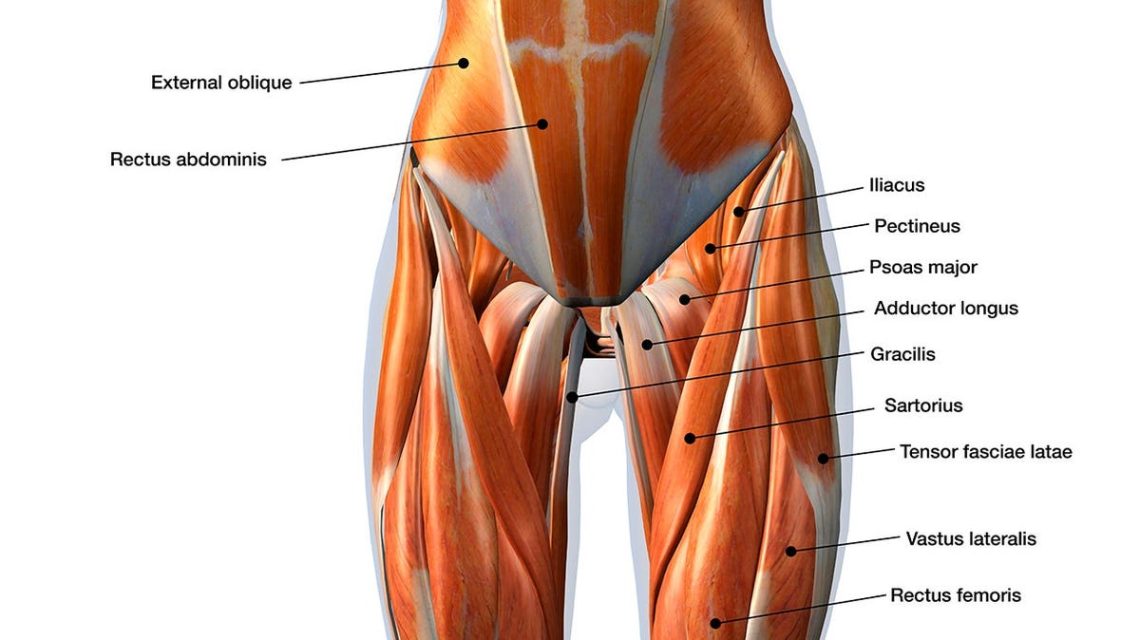
Two Tulane University sophomores, Dominic Roy and Cooper Bruce, identified an anatomical feature yet to be recognized by their professor. The students, both 19, made this finding in 2024 during their volunteer work in the cadaver lab alongside R. Shane Tubbs, Ph.D., a professor in neurosurgery.
Roy explained how they were working to compare muscles in the pelvis, specifically focusing on the iliacus and psoas major muscles. During this, Roy discovered an unfamiliar muscle near the inguinal region, separate from the commonly studied iliocapsularis.
“I noticed a similar muscle on the opposite side of the Iliac fascia,”
Roy stated. When asking Dr. Tubbs about the find, they found no prior documentation of this muscle, prompting their reserved excitement over a potential new discovery.
Assistance from other medical students and overseas physicians contributed to the analysis and exploration of the specimen. This collaboration led to the publication of their findings in the journal Clinical Anatomy. Tubbs, co-editor-in-chief of Gray’s Anatomy, described the discovery as a fortunate unintended find.
While the muscle’s exact function is still undetermined, there is speculation that it may help stabilize the psoas major, a crucial muscle for hip movement. An upcoming research step involves using MRI scans to determine the presence and potential effects of this muscle.
Dr. Tubbs noted the importance of anatomical donors in education and how this discovery could aid minimally invasive procedures, notably hip surgeries. Understanding whether this muscle possibly influences symptoms could enhance patient care.
The discovery has highlighted anatomical variations, as this muscle did not appear in every cadaver. Such differences suggest personal history may play a role in the presence of this muscle.
Tubbs emphasized that working with real cadavers provides invaluable insights into human anatomy, underscoring that understanding of the human form continues to evolve. This discovery has inspired the students to pursue further medical education, with Roy aiming for a master’s in anatomy.
The findings also support the notion that anatomical exploration is ongoing, defying the belief that human anatomy is entirely mapped.
 Joe Manganiello’s Approach to Health and Longevity
 Benefits of Olay Complete+ Hydrating Lotion for Post-Pregnancy Skin
 Tulane Students Discover Undocumented Pelvic Muscle
 Navigating Pet Insurance After a Pet’s Illness
 Family Seeks Treatment for Young Woman with FND
 Understanding ADHD in Adults: A Closer Look