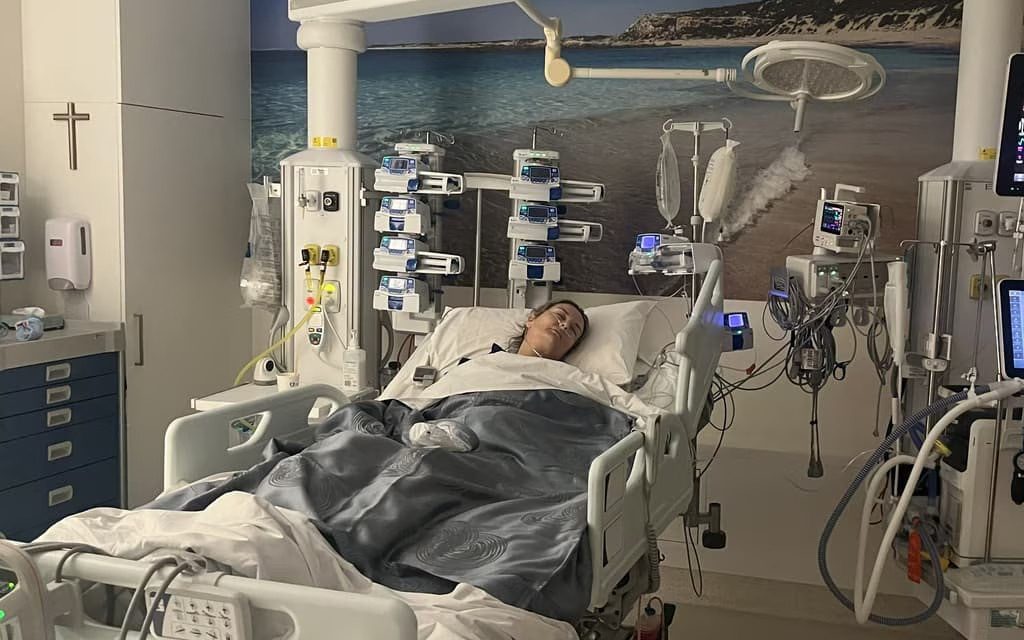
Helen Worthington, a 40-year-old primary school teacher from Adelaide, is in a fierce battle with Stage 4 bowel cancer. Initially experiencing a minor discomfort in her abdomen in August last year, she thought it might be a simple stomach ailment. However, following a visit to the emergency department, she received the shocking diagnosis of advanced cancer.
Despite the absence of significant symptoms before diagnosis, Worthington quickly underwent emergency surgery and began chemotherapy. She courageously faced the challenge of explaining her condition to her 12-year-old daughter without guarantees of recovery. Her cancer, harboring a BRAF V600E mutation, exhibits aggressive behavior. Her treatment involves continuous chemotherapy, guided by regular scans to manage the disease.
An unexpected but pivotal part of Worthington’s treatment plan is medically prescribed exercise. Initially skeptical, she took the advice of her sister-in-law, an oncology physiotherapist. This regimen has notably improved her physical and mental health during her intense chemotherapy sessions. Exercise provides her with a tangible means to maintain control over some aspects of her health.
The Clinical Oncology Society of Australia stresses the importance of exercise in cancer care, recommending at least 150 minutes of moderate aerobic activity or 75 minutes of vigorous exercise weekly, alongside strength training sessions. This regimen can lessen treatment side effects, enhance function, potentially reduce recurrence, and improve survival rates according to Cancer Council NSW.
I think one of the biggest misconceptions about cancer treatment is that people should avoid exercise and conserve all their energy.stated Lauren Whiting, an oncology physiotherapist and founder of Lift Cancer Care Services in Adelaide.
Prescribed exercises are meticulously designed around patients’ specific medical conditions, ensuring they receive appropriate interventions that consider their unique circumstances.
An economic analysis by Deloitte Access Economics highlights the substantial benefits of integrating exercise into cancer care. It found that every dollar spent on exercise physiology leads to approximately three dollars in economic benefits.
Despite its benefits, access to such exercise interventions remains inconsistent. Whiting emphasizes the need to establish reliable systems, referral pathways, funding solutions, trained clinicians, and the necessary infrastructure to safely and effectively deliver these vital services to all cancer patients.
 Marine’s Death During Training Exercise in Japan
 Death of Billie Jo Douglas at Ohio Recycling Facility
 State Board Approves New Lurie Children’s Hospital in Downers Grove
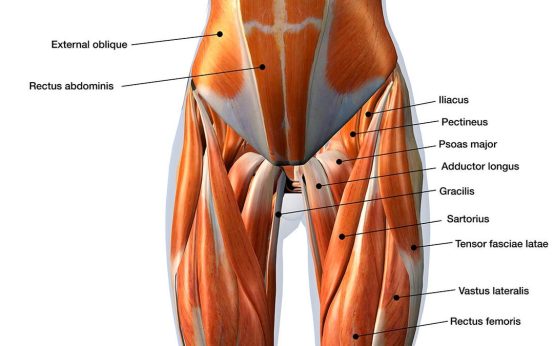 Students Discover Unidentified Muscle in Cadaver Lab
 Joe Manganiello’s Approach to Health and Longevity
 Benefits of Olay Complete+ Hydrating Lotion for Post-Pregnancy Skin