
The federal government has implemented significant changes in assessing higher education outcomes. For the first time, programs participating in the federal student loan initiative will be evaluated based on the earnings of their graduates.
This shift aims to enhance accountability among educational institutions, making them more responsible for the career success of their alumni. This policy intends to align educational performance measures with economic realities, reflecting on how well these programs prepare students for the job market.
Focusing on tangible measures such as graduate earnings offers a new perspective on educational success. It encourages institutions to prioritize skills and knowledge that directly impact employability. This change is crucial as it can directly influence the economic success of both individuals and the broader economy.
Ensuring that learners gain relevant skills and knowledge necessary for the workforce supports their personal success and the economy. With this initiative, the government aims to create an educational framework where student outcomes align closely with market needs.
 Challenging the ‘Trust the Experts’ Narrative in School Libraries
 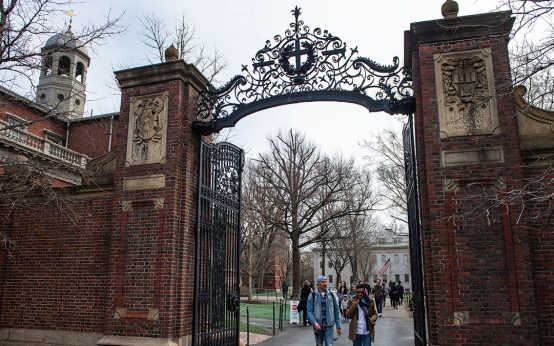 Implications of AI in College Admissions
  Preparing Students for an AI-Shaped Workforce
  Concerns Over Racism and School Funding Inequality Discussed by ‘The View’ Co-Host
  Nikole Hannah-Jones’ Reflection on School Integration and the Impact on Her Daughter
  Understanding School Shooting Preparedness Drills