Literacy involves more than simply reading and writing. It equips us with the skills to express ourselves effectively. Selecting quality reading and writing materials is crucial as a strong foundation can pave the way for a child’s future success. Let’s explore what to consider before choosing resources and review top product recommendations.
Understanding Reading Levels
Ages 4-6: At this stage, children often recognize most letters even if they aren’t reading yet. This is an ideal time to introduce comprehensive language arts activity books. These typically include engaging and colorful activities suitable for young kids. Ensure the book covers letter recognition, sounds, and blending letters to form words.
Ages 5-7: Children are often ready to start reading at this stage. You need to decide whether a phonics-based or whole-language approach suits your child best.
Ages 8-10: Students should grasp reading, writing, and spelling with relative ease. Focus on resources that help improve sentence structure, grammar, and expression.
Phonics vs. Whole Language
Phonics: These materials teach by using sounds and letter combinations to simplify words into manageable parts. This method helps break down larger words. However, phonics can struggle with words that don’t follow the rules, like “pear” and “pair.”
Whole Language: This approach studies words in context rather than viewing them as isolated puzzles. It also emphasizes word familiarity and can aid children with dyslexia.
Key Features to Consider
Digital vs. Print: Both formats offer valuable resources. Starting with print helps teach skills like holding a pencil. Introduce digital materials later when basic skills are mastered.
All-in-One Workbooks: These are excellent for young children. As kids grow, shift to specialized books for each topic.
Easy Readers: Designed with simple words and repetition, they are perfect for beginners learning to read.
Child-Friendly Writing Pages: Ensure writing materials include ample space for practicing letters, especially during early learning.
Pricing Expectations
Reading and writing material prices vary. Simple activity books range from $10-$20. Bundles with multiple resources may cost $50 or more.
Common Concerns
When should I worry if my child isn’t reading?
Each child learns at their own pace, typically between ages four and seven. If reading issues persist by age eight, consult a pediatrician.
How can I tell if my child has dyslexia?
A professional evaluation is essential for diagnosis. However, if your child struggles with nursery rhymes or alphabet order, seek help.
Top Reading and Writing Materials
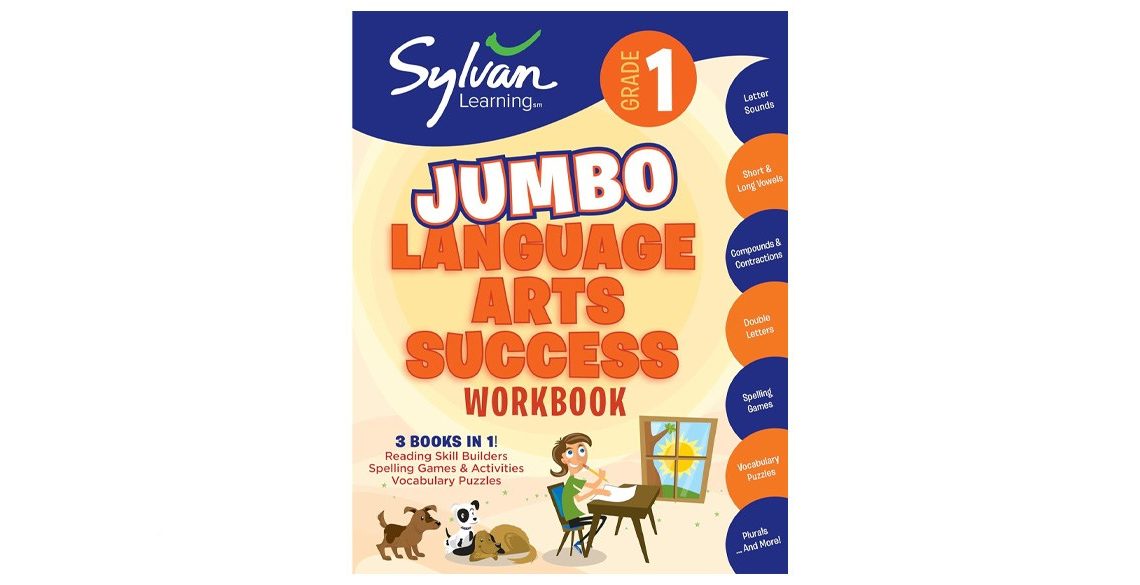
Sylvan Learning’s First Grade Jumbo Language Arts Success Workbook: A well-regarded 3-in-1 workbook. Offers reading, vocabulary, and spelling activities in a kid-friendly format. Challenges are engaging, with colorful, appealing pages. Some find perforated pages would improve usability.
Hannah Braun’s Learn to Read Activity Book: Ideal for introducing simple words to young learners. Includes fun activities like mazes and word searches to teach blending sounds and sight words. Balances activities and lessons to maintain engagement. May challenge children who haven’t identified most letters yet.
Prices reflect the time of publication and may change. Discover our Daily Deals for the best products and sign up for the BestReviews weekly newsletter for shopping inspiration and sales. BestReviews invests significant time researching, analyzing, and testing products to recommend the best choices for most consumers. BestReviews and its partners might earn commissions from links.
 Challenging the ‘Trust the Experts’ Narrative in School Libraries
  Implications of AI in College Admissions
  Preparing Students for an AI-Shaped Workforce
 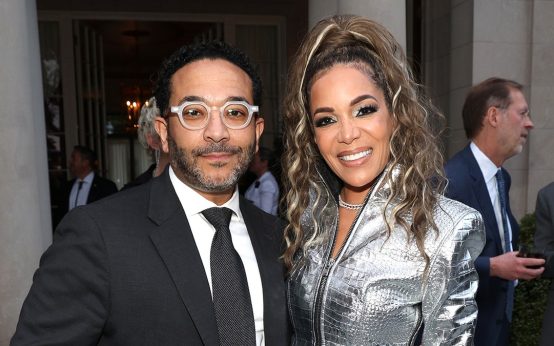 Concerns Over Racism and School Funding Inequality Discussed by ‘The View’ Co-Host
 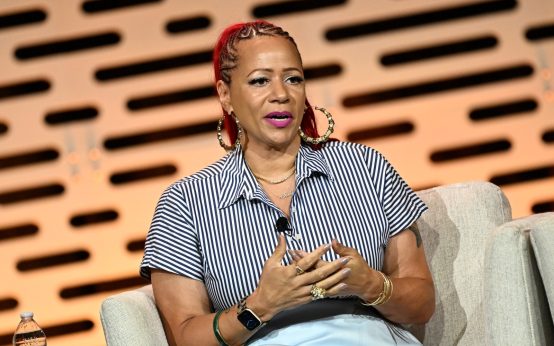 Nikole Hannah-Jones’ Reflection on School Integration and the Impact on Her Daughter
  Understanding School Shooting Preparedness Drills