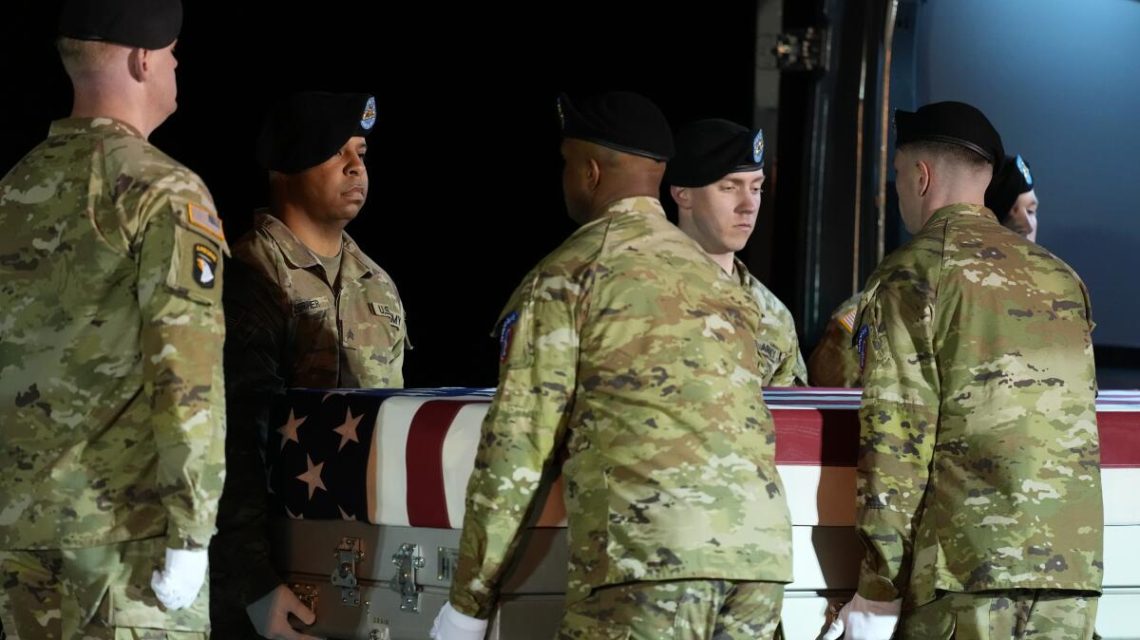
The United States, under President Trump’s leadership, faces an ongoing military entanglement with Iran. Initially, Trump criticized previous administrations for their long-standing military engagements and vowed for a swift resolution to the conflict with Iran. However, after 4½ months, the situation remains unresolved, with continuous military exchanges between the two nations.
Military Incidents and Consequences
Recent hostilities led to the tragic loss of American lives. Iranian ballistic missiles recently claimed the lives of two U.S. servicemen at Jordan’s Muwaffaq Salti Air Base. Additionally, an unexploded ordnance detonation in Iraq resulted in another U.S. casualty, marking the ongoing human toll. Since the conflict’s inception, 17 U.S. servicemen have died, and more than 430 have sustained injuries. Meanwhile, Iran reports over 57 deaths and 517 injuries from U.S. attacks in recent weeks.
Despite substantial losses, including the decimation of its navy and air defenses, Iran remains unyielding in negotiations, refusing to dismantle its missile and nuclear arsenals.
Strategic Developments and Reactions
The war’s scope has widened, with Iran blocking critical trade routes and targeting regions housing American military assets. The U.S. administration, in response, escalated military actions, including targeting civilian infrastructure.
The U.S. has increased its military presence in the region, deploying 50,000 troops and numerous air and naval assets. Observers express concern that such actions could lead to uncontrollable escalation.
Potential Challenges and Future Outlook
Experts warn that the ongoing conflict could endanger global oil supplies and provoke wider aggression across the Middle East. Iran’s strategic position allows it to disrupt important global economic routes, further pressuring the international community.
History suggests that the U.S. often underestimates the duration and complexity of foreign military engagements. The current situation in Iran illustrates these challenges, and any ground troop deployment could deepen U.S. involvement significantly.
Implications for the U.S. Administration
Trump’s foreign policy, originally aiming to reduce U.S. military commitments, now faces criticism amid increased military casualties and strained alliances. Former allies and prominent conservative figures have begun distancing themselves from Trump’s policies, worrying about political repercussions in forthcoming elections.
The lack of a clear path toward negotiation with Tehran presents a critical challenge. Previous agreements required extensive diplomatic efforts, something lacking in Trump’s current strategy. Analysts argue that any attempt at diplomacy must overcome significant trust deficits following past actions and current military tactics.
“The situation relies heavily on Trump’s decision-making,” said Middle East expert Vali Nasr. “It’s not a systemic decision; it’s driven by the president’s temperament,” he added.
Resuming negotiations remains uncertain as both sides express skepticism about potential outcomes. The continuation of military strikes risks solidifying a long-term conflict with no apparent resolution.
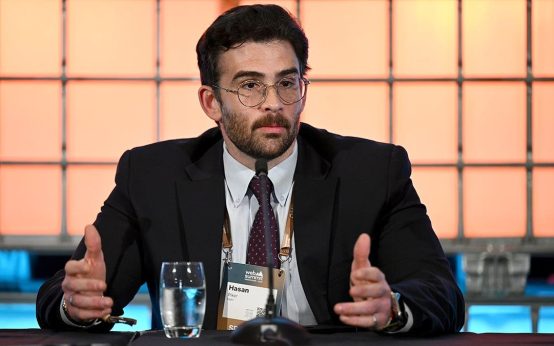 Twitch Streamer Hasan Piker Discusses Controversial Commentary
  A Shifting Political Landscape: The Decline of Autocratic Power
  Trump Delivers Warning to Iran, Cuba at UN General Assembly
 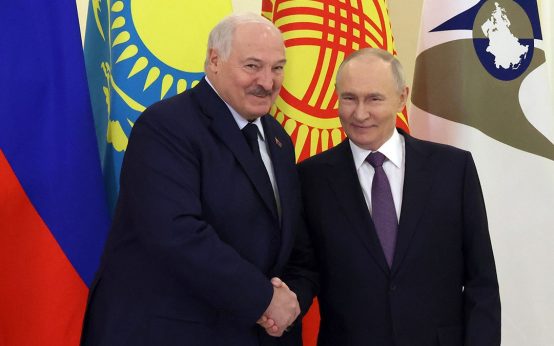 Lukashenko and Putin’s Unique Relationship and Belarus’ Strategic Role
  Alan Ritchson Faces Backlash Over Political Remarks
  Himalayan Pilgrimage: A Couple’s Narrow Escape and Lingering Questions