California’s Central Valley, known for its fertile soils and extensive agriculture, faces tough challenges due to climate change. Increasing droughts and water restrictions leave farmers with less water for irrigation. This has led to new limits on groundwater pumping, forcing many to leave vast acres dry.
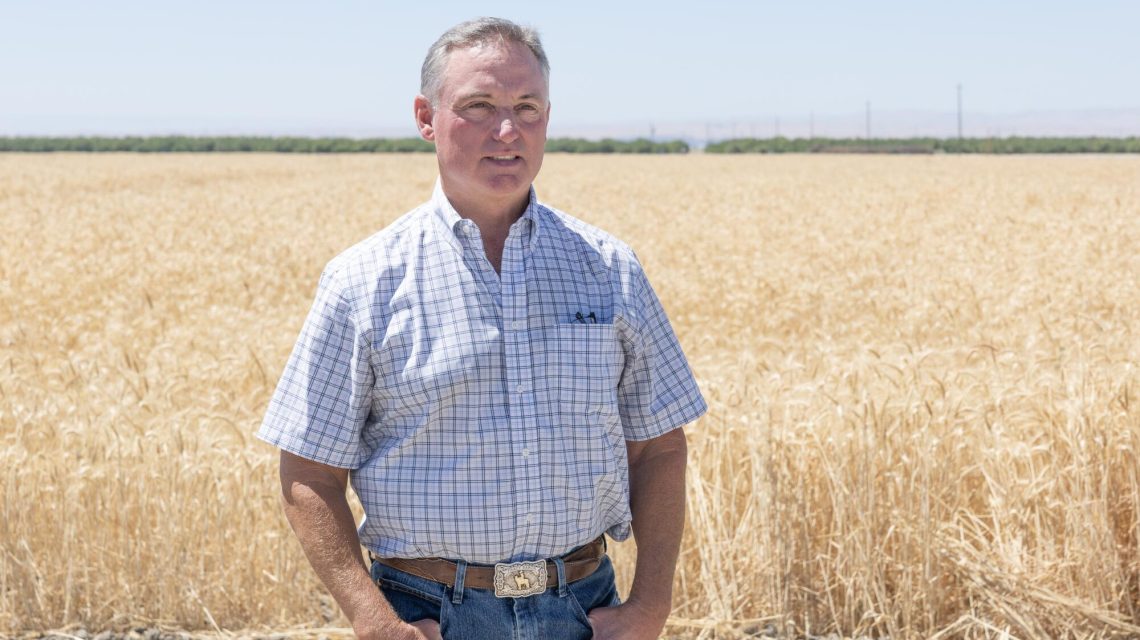
Some farmers are adapting by turning to solar energy. Todd Tracy, a fifth-generation farmer, is among them. His family traditionally grew crops like cotton, corn, and pistachios on their 8,600-acre farm. But with decreasing water allocations, they decided to explore solar energy. In 2021, Tracy opted for a solar developer to use part of their land.
His choice wasn’t easy. The farm’s water supply from Northern California is shrinking. This year, they received only 45% of their allotment. Groundwater is heavily regulated as well, with further cuts expected.
“I want to be optimistic, but being realistic, there’s not going to be water there in 2040,”
Tracy has already started converting a significant portion of his land to solar, with an expected output to power one million homes eventually. The conversion involves large-scale solar projects, like the Buttonbush project.
As the pressures of water scarcity mount, more farmers are pivoting to solar farms. The state encourages this transition, aiming to reach 100% clean electricity by 2045. Solar on former farmland could play a key role; an estimated 30 gigawatts are needed to meet mandates.
Some areas have been slow to adopt, but changes are noticeable. The Westlands Water District, a major agricultural water agency, has approved plans to convert large tracts of land to solar. Despite prior reluctance, they now view solar as vital to survival.
While solar offers a viable alternative, not all farmers readily accept it. The Williamson Act, a 1965 law, poses hurdles by penalizing farmland converted to non-agricultural uses. Recent legislative efforts seek to adjust these rules, specifically for water-stressed areas.
In support of adapting to new realities, Kern County Farm Bureau broke tradition by backing efforts to allow solar conversion. They emphasize property owners’ rights to make choices in response to limited water resources.
With new transmission lines requested from the state grid operator, the Central Valley could see one of the largest solar developments take root within five years, marking a significant shift in agricultural and energy practices.
 Cold Weather Alerts and El Niño Influence
 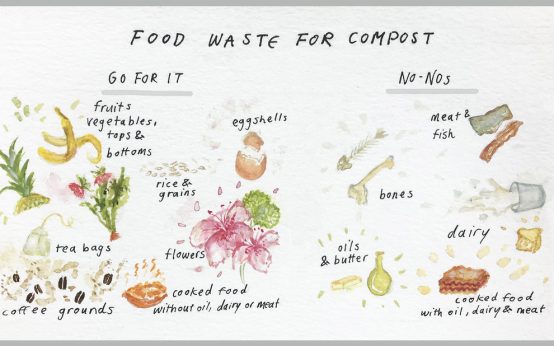 Turning Home Food Waste into Compost: A Guide
  Chicagohenge: When Sunlight Aligns with City Streets
  Fat Bear Week 2026: A Look at the Contest and Its Competitors
  California Governor Declares Statewide Emergency Ahead of El Niño Storms
 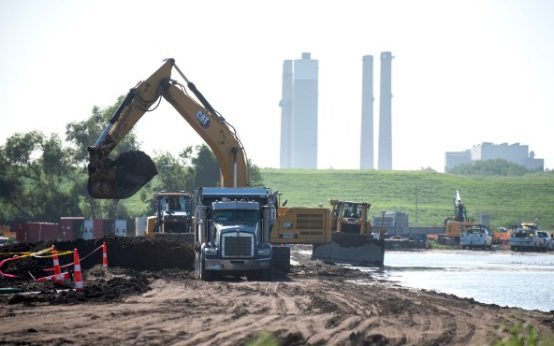 EPA Rollbacks and the Impact on Indiana Communities