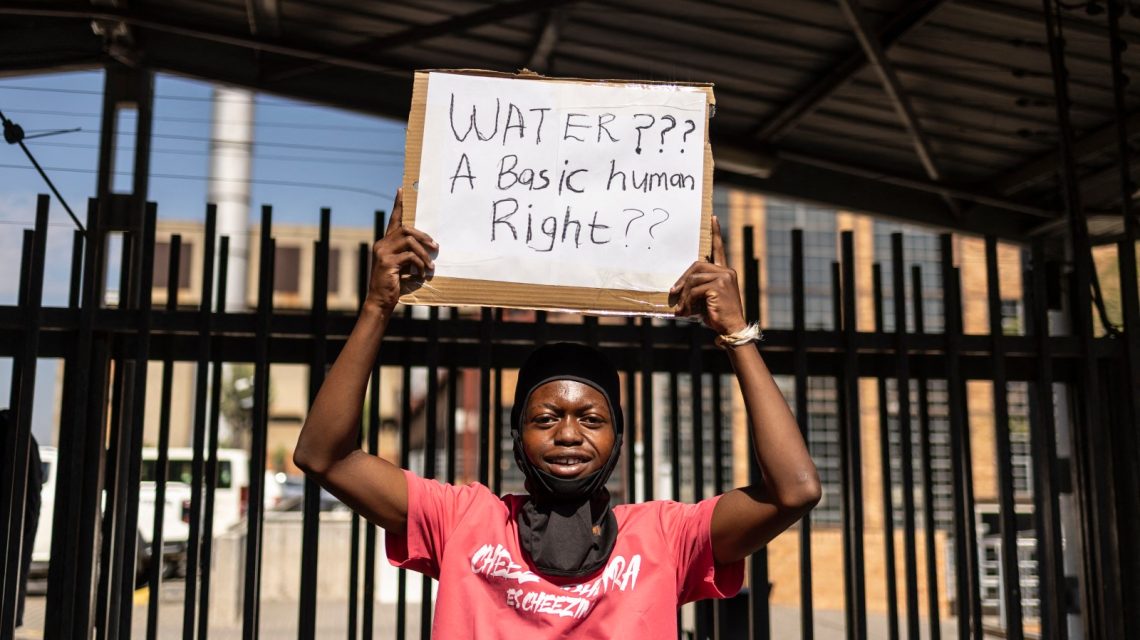
Johannesburg faces a critical water crisis, impacting over 6.2 million residents. Frequent water outages, lasting more than a week, have been reported. In response, local authorities have proposed new restrictions, including selective supply cuts. The issue garnered significant attention, with an X post by Polymarket receiving 8 million views. Residents’ daily lives are deeply affected. For example, 59-year-old Sharlene Smith must traverse dangerous areas engulfed in gang violence to fetch water for her and her elderly mother.
Businesses are not spared either. A coffee shop owner revealed to The Star that he expends an entire day’s profit to refill his backup tank. This crisis coincides with local elections, shifting attention to service delivery issues.
Underlying Causes of the Water Shortages
Professor Craig Sheridan from the University of the Witwatersrand explained that although dams have sufficient water, the infrastructure is the bottleneck. Pipes, reservoirs, and water towers have suffered from years of neglect. The city is stretching its water supply, nearing its capacity for the growing population.
Mike Muller, former director general of water affairs in South Africa, emphasized that while dams remain full, more than 30% of the water leaks due to poor maintenance of the distribution network. Johannesburg Mayor Dada Morero acknowledged these issues, attributing the slow recovery of reservoirs to consumption outpacing replenishment.
Morero announced plans for Johannesburg Water to acquire its tanker trucks to deliver water to informal settlements. He noted a slight increase in water storage levels, reflecting ongoing efforts to mitigate the situation.
The Structural Challenges
Johannesburg’s water supply chain is unique, with no major river to rely on. Water must travel from dams through treatment processes to eventually reach households. Sheridan highlights that maintenance has been insufficient, with thousands of kilometers of pipes not meeting global standards.
“The maintenance backlog is massive, far exceeding available budgets,” Sheridan stated.
Adding to the difficulty is the limited capacity for new dams, placing further strain on existing resources. Geography Associate Professor Anja du Plessis points to systemic failures and governance issues as root causes. Leaks and power outages frequently disrupt water movement through the system.
Proposed Solutions and Future Steps
Since September, Johannesburg has faced ‘Level 1’ water restrictions, including bans on watering gardens during certain hours. More stringent ‘Level 2’ restrictions have been proposed if demand rises. These include mandatory spray nozzles on hoses and using treated wastewater for construction.
Sheridan argues for prioritizing maintenance to curb leaks, potentially restoring 30-40% more water to the system. He advocates for community involvement in conserving water, alongside revising billing to encourage reduced consumption.
Sheridan also noted political instability, with no single-party governance since 2016, contributes to poor maintenance. With elections underway, all major political parties aim to tackle the city’s leaking pipes as a priority.
Johannesburg Water’s official website reports ongoing efforts in leak detection, burst pipe repairs, and infrastructure rehabilitation. Residents and businesses are urged to minimize water consumption to aid recovery efforts.
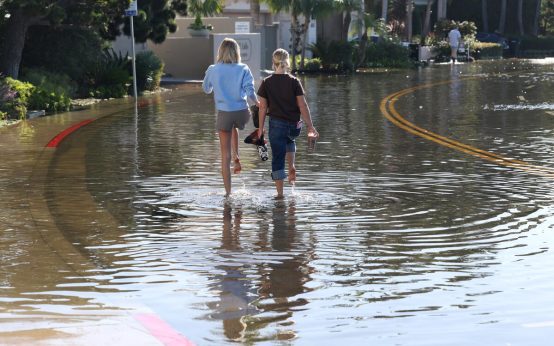 Coastal Flooding Highlights El Niño’s Impact on Southern California
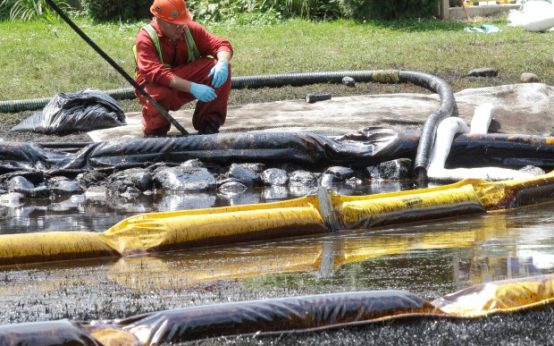 Oil Spills in Great Lakes: Unseen Threats and Pipeline Concerns
 Porter Beach Neighborhood Faces Challenge with New Sanitary Sewer Regulations
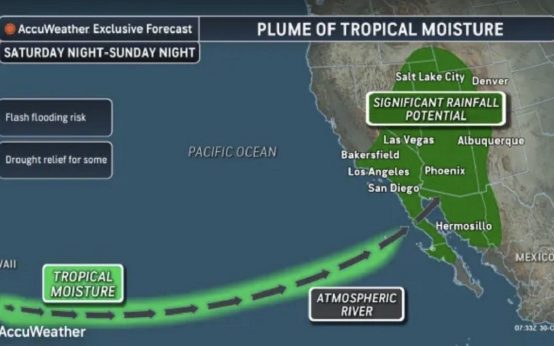 Weather System Threatens Southwest with Rain and Flooding
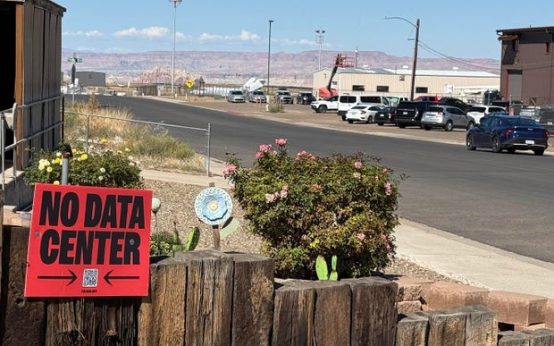 Debate Over Data Centers in Arizona Sparks Health Concerns and Political Divisions
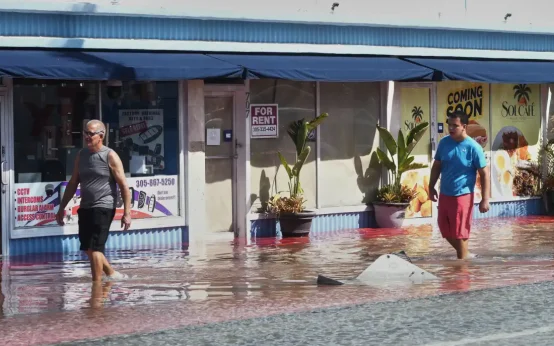 Super El Niño Expected to Bring Warmer and Wetter Winter