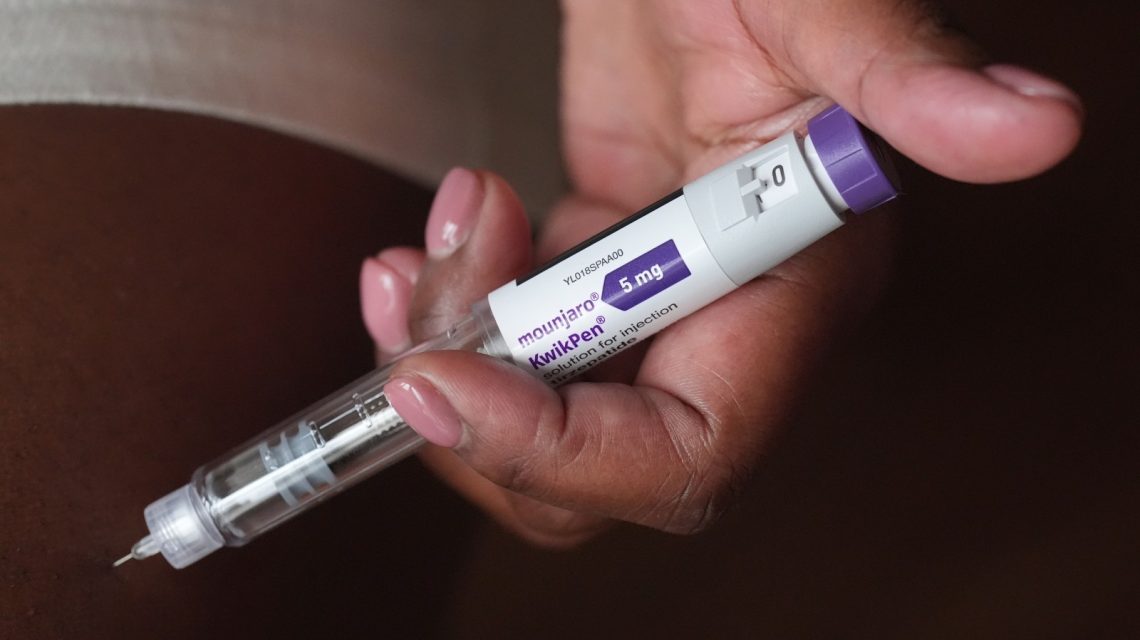
Pharmacists and medical experts highlight the significance of nutritional care for Americans using weight loss drugs like GLP-1s, such as Ozempic and Wegovy, to address type 2 diabetes and obesity. These drugs, popularized by data from Statista showing one in eight Americans using them by March 2026, contribute to decreasing obesity rates. However, experts caution about potential risks related to undernutrition.
Potential Risks of Using GLP-1s
Dr. Fatima Cody Stanford from Harvard University stresses the nutritional risks that can arise from reduced appetite caused by GLP-1 medications. Patients might consume insufficient protein, risking a loss of lean muscle mass. Key micronutrients like vitamin D, calcium, iron, and B vitamins can also dwindle due to less overall food intake.
GLP-1s can lead to skipping meals or extended fasting, which impacts dietary balance, causing fatigue or dizziness. Undernutrition may further result in decreased bone density and muscle mass if protein and resistance exercises are lacking.
Advice for Maintaining Nutrition
Stanford and other experts emphasize that GLP-1 medications should be integrated into a holistic treatment plan. Patients must focus on nutrition, physical activity, and behavioral changes to support healthy outcomes.
- Prioritize protein to preserve muscle mass.
- Consume small, regular meals even with low hunger levels to avoid undernutrition.
- Stay hydrated and limit processed or sugary foods.
- Consider vitamin supplements to fill nutritional gaps.
- Combine nutrition efforts with resistance training to maintain muscle health.
Recommended Foods for GLP-1 Users
Pharmacists at Curely recommend nutrient-dense, protein-rich foods. Stanford agrees with their approach. Foods such as edamame, fish, yogurt, seeds, and legumes offer substantial nutritional benefits in smaller portions.
Dr. John Batsis recommends including eggs, cottage cheese, Greek yogurt, milk, soy milk, fish, poultry, lean meats, beans, and nut butters. Dietary choices should align with preferences, health conditions, and digestive comfort, emphasizing the importance of professional dietary guidance.
Everyday Food Substitutions
Curely’s pharmacists provide everyday substitutions for GLP-1 users to enhance nutrient intake. Sobia Qasim reiterates the need for an integrated lifestyle approach rather than relying solely on medication. A varied, nutrient-rich diet with physical activity optimizes treatment benefits.
Broader Dietary Advice
Stanford advises that patients consider overall dietary patterns. She recommends ensuring each meal includes lean proteins, such as fish, poultry, or plant-based options, paired with plenty of fruits and vegetables for fiber and nutrients. Whole grains and legumes support energy and gut health, while healthy fats from nuts, seeds, and olive oil aid in satiety and nutrient absorption.
Batsis echoes these guidelines, encouraging balanced dietary patterns instead of fixed food lists. Small meals might suit GLP-1 users better, especially if nausea or early fullness occur. Patients should avoid low-nutritional-value foods and emphasize nutrition alongside resistance exercises to preserve muscle.
Persistent vomiting, dehydration, or severely restricted food intake necessitates consultation with healthcare professionals.
 Increased Use of GLP-1 Medications Among Young Adults: Examining Trends and Concerns
  Lisa Fasone’s Journey Through Prolactinoma and New Parenthood
  Examining Testosterone Therapy for Menopausal Women
  Impact of ‘Food Divorce’ on Relationships
  Long-Term Health Impacts of the 9/11 Attacks
  The Link Between Type 2 Diabetes and Mental Health Conditions in Women