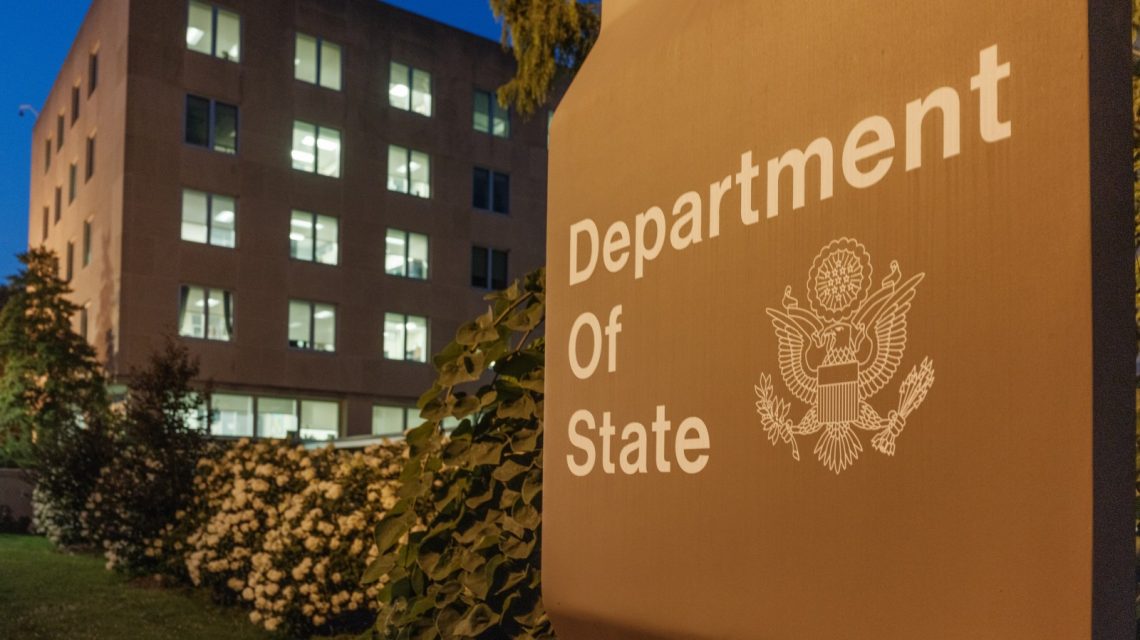
The U.S. State Department announced a new policy aiming to further restrict visas for those involved in cybercrime and sextortion. This measure will deny entry to the country for offenders and sometimes their relatives. The move targets investment scams often tied to Chinese transnational criminal groups.
The administration has implemented several immigration rule changes over the past 18 months. These changes focus on restricting legal pathways and increasing visa applicant vetting. The State Department’s press release stated, “This policy targets individuals responsible for, or complicit in, cybercrime and cyber-enabled crime, such as those involved in cyberscams and sextortion. Immediate family members of individuals engaged in such illicit activities may also be subjected to visa restrictions.”
Wider Visa Vetting Efforts
This policy aims to deter individuals accused of enabling threats through visa access denial. Earlier this year, similar restrictions were applied to those accused of supporting political violence, undermining regional stability, aiding U.S. adversaries, and maintaining ties to cartel networks. Family members and close associates often faced restrictions as well.
The State Department is working to tighten the visa system across various stages. Efforts include enhanced online-presence vetting for student and exchange visitor applicants. The department regards each visa adjudication as a national-security decision. New visa bonds have also been introduced for certain business and tourist applicants from countries with high overstay risks.
Are Cybercriminals Obtaining Visas?
Public records show cyber-enabled crime often crosses borders, with foreign suspects being brought to U.S. courts. However, these records do not specify how many cybercriminals received U.S. visas. The Department of Justice documents cases of foreign nationals involved in fraud and extortion but do not clarify their visa status. The State Department reports thousands attempt to illegally obtain visas yearly for criminal activities, yet does not provide cybercrime-specific data.
Washington’s China Concerns
The new visa restrictions reflect concerns over cyber threats from China. U.S. agencies describe Chinese cyber activity as highly sophisticated and persistent. The Cybersecurity and Infrastructure Security Agency highlights Chinese efforts to target government, telecommunications, and critical infrastructure networks.
Campaigns like “Salt Typhoon” and “Volt Typhoon,” linked to Chinese actors, aim for long-term access to critical networks. These operations facilitate intelligence collection and may disrupt services during crises. The FBI has accused “Salt Typhoon” of compromising telecommunications and carrying out major cyberespionage. Recent advisories urge organizations to bolster defenses against these threats.
 National Railroad Safety Campaign Launches in Chicago
  Zohran Mamdani Faces Backlash Over Columbus Day Parade Invitation
  Details Emerge on Trump’s Response During WHCA Dinner Incident
  Ohio Governor Race: Ramaswamy’s Chances Decline on Prediction Markets
  FAA Ground Stops, Paramount Settlement, and ICE Shooting Incident
  Details Emerge on Shooting of Venezuelan by ICE Officer in Austin