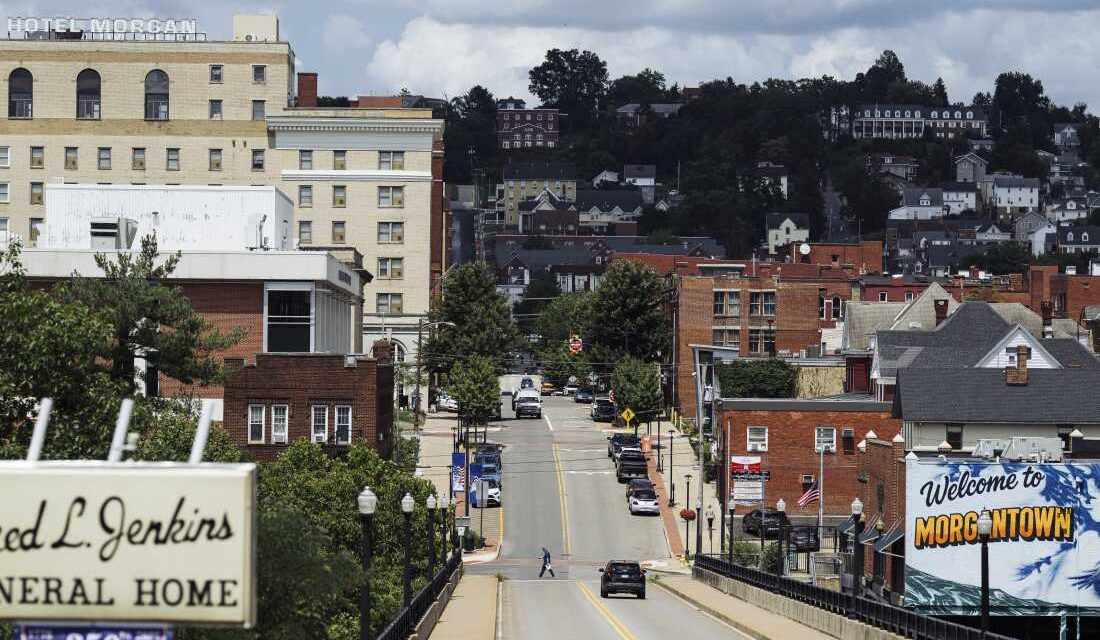
West Virginia offers a unique opportunity for workers seeking to relocate to areas with a lower cost of living. Programs like Ascend West Virginia provide financial incentives to attract new residents. These initiatives have encouraged individuals to move, contributing to local economies and reversing population declines.
Life-Changing Decisions
A diagnosis of multiple sclerosis in 2022 led Ashley Eklin, initially from Chicago, to rethink her life. Her desire for a change led her to Ascend West Virginia, a program that supports new arrivals with financial and community incentives. Eklin moved to Inwood, West Virginia, without previously visiting, confident in her decision after joining the program. This program, among others, is part of a national effort to draw remote workers to areas offering a lower cost of living.
State-wide Economic Challenges
West Virginia faces significant challenges with a decreasing population and high poverty levels. Over the past decade, the state’s population has shrunk by more than 4%. Despite these issues, West Virginia presents an attractive combination of affordability and natural beauty.
The state offers a substantially lower cost of living than nearby Washington, D.C. It also has rugged mountains, whitewater rivers, and extensive forests.
Ascend West Virginia’s Launch and Success
The Ascend West Virginia initiative started in 2021, coinciding with the 50th anniversary of John Denver’s “Take Me Home, Country Roads.” With a $25 million budget, the program provides up to $12,000 to successful applicants, offering further support for remote work through office spaces and recreational gear.
The primary goal is to entice remote workers to the state, capitalizing on a burgeoning trend seen in other states. Supported by private funding, the program has brought in significant new talent, with an average participant income far exceeding the state norm. The initiative aims to increase West Virginia’s population with educated and skilled individuals who can sustain themselves economically.
Stories of Success
Participants like Abby Snyder and Colin Scott illustrate the program’s success. After working abroad, they returned to the U.S., choosing West Virginia for its community and environmental values. Although West Virginia’s political landscape did not align with their views, they found the welcoming community appealing.
Participants benefit not only from the financial incentives but also community amenities. Chipper Thurber, who relocated with his family, found that the financial perks were secondary to the lifestyle and outdoor activities available in West Virginia.
Broader Economic Impact
Since its launch, Ascend West Virginia has attracted over 1,500 new residents, significantly impacting the state’s economy. A study in 2023 estimated the participants’ contribution to be approximately $580 million, with recent estimates closer to $750 million.
The program’s benefits extend beyond individuals, contributing to an overall economic boost through increased consumer spending and additional residents paying state income taxes.
Replicating and Innovating
Other states like Oklahoma have implemented similar successful strategies. Tulsa Remote has attracted over 4,000 participants, offering $10,000 incentives. Despite its discontinuation due to funding limits, Vermont’s relocation program highlighted the need for creative solutions to demographic challenges.
Programs like Ascend West Virginia demonstrate the potential of targeted relocation incentives. They not only attract new residents but help establish vibrant communities and enhance local economies.
 Family Conflict over Sentimental Necklace
  Cindy Crawford’s Son Presley Gerber Dies at 27
  Navy Veteran Generald Wilson Reflects on Emotional National Anthem Performance
  Fat Bear Week: A Unique Annual Tradition at Katmai National Park
  Monday Screencaps: Musings and Sports Insights
  Examining the Impact of the War on Poverty Initiatives